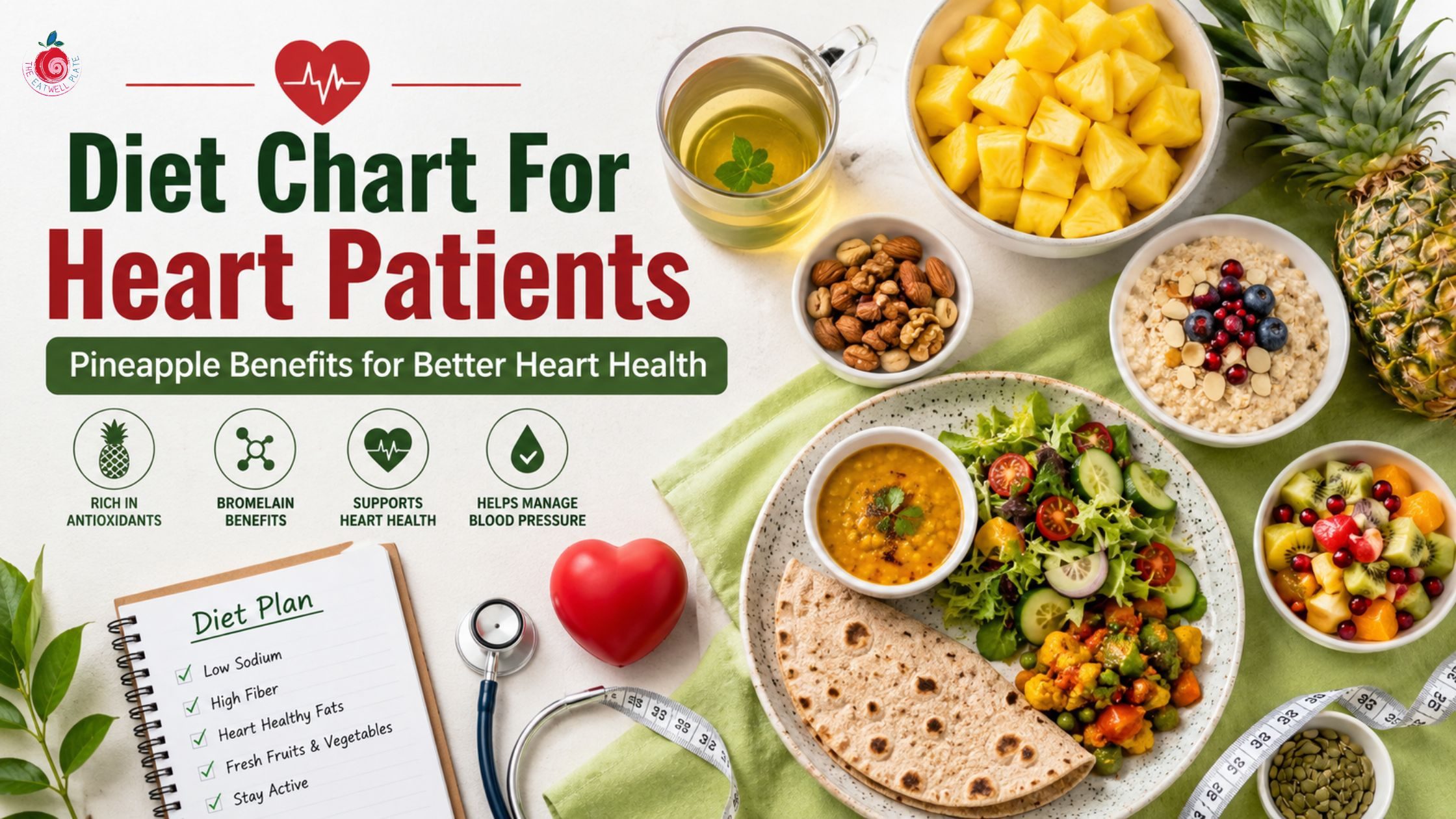
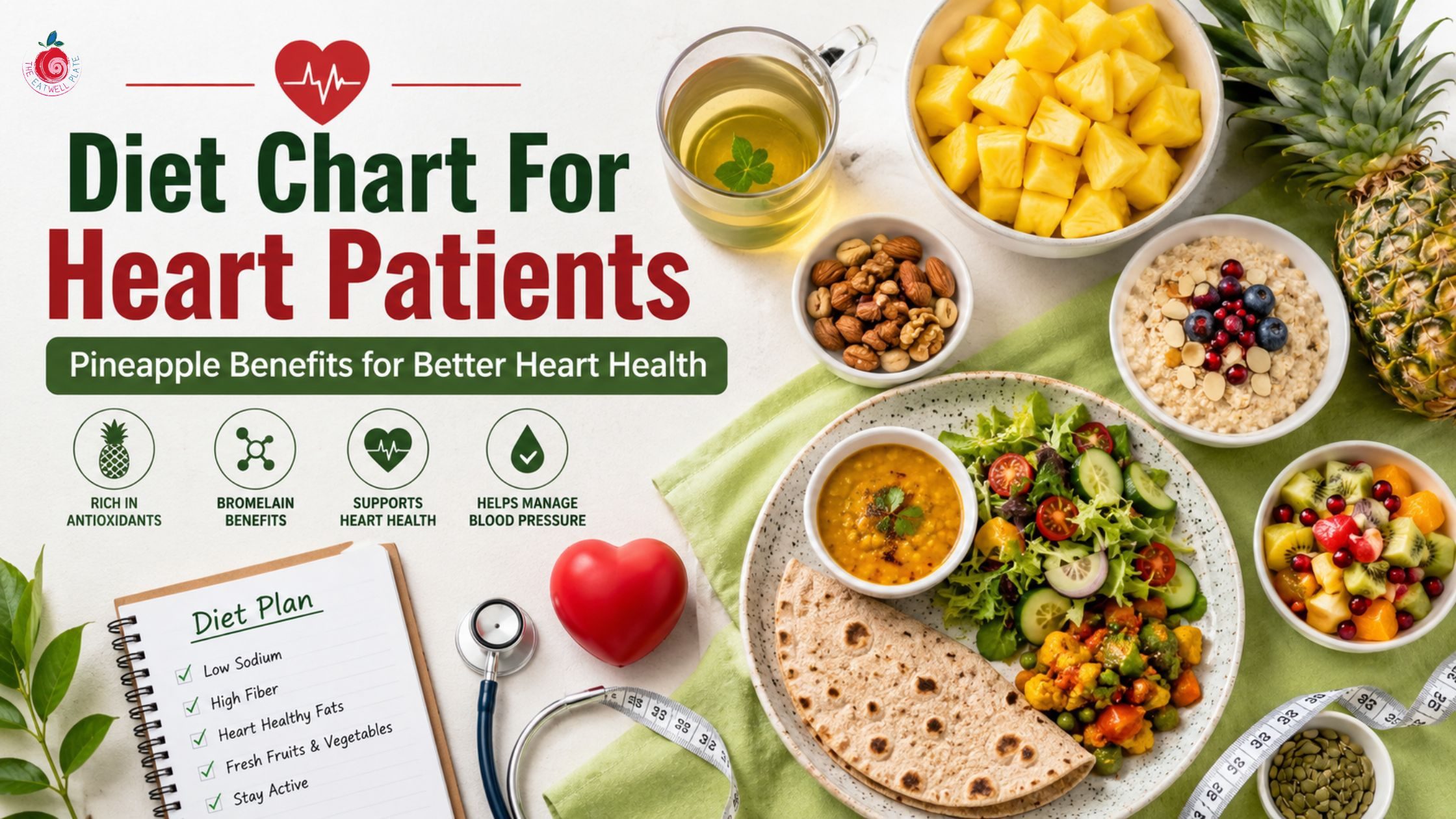
Cardiovascular issues are rising globally, and India is no exception. More people are experiencing high blood pressure and cholesterol problems at younger ages, making proper nutrition an absolute necessity. Finding the right diet chart for heart patients is one of the most effective steps you can take toward protecting your cardiovascular system.
While no single food can magically cure heart disease, building a balanced, nutrient-rich eating pattern provides the foundation for long-term wellness. Among the many fruits available, pineapple stands out as a delicious, refreshing option packed with essential nutrients.
This post will explore how pineapple benefits your cardiovascular system, provide actionable heart patient diet tips, and show you how to structure a heart healthy diet plan that fits your lifestyle.
Why Diet Matters When Building a Diet Chart For Heart Patients
Your heart pumps blood non-stop, requiring a steady supply of nutrients to function optimally. Consuming heavily processed foods loaded with unhealthy fats and excess sodium puts immense strain on your arteries. Over time, this poor nutrition leads to plaque buildup, restricted blood flow, and elevated blood pressure.
Transitioning to a cardiac diet plan relieves this pressure. A well-planned diet provides the vitamins, minerals, and antioxidants needed to repair cellular damage. By focusing on whole grains, lean proteins, and healthy fruits for heart patients, you actively reduce inflammation and keep your blood vessels flexible.
At The Eat Well Plate, we understand that managing heart health can feel overwhelming. That is why we focus on creating personalized, practical meal plans that use simple, locally available ingredients to support your wellness journey.
The Nutritional Value of Pineapple
Pineapple is much more than a sweet, tropical treat. It is a nutritional powerhouse loaded with compounds that support your body. One cup of fresh pineapple chunks offers a high dose of vitamin C, which is vital for immune function and tissue repair.
This fruit is naturally fat-free, low in sodium, and contains zero cholesterol. It also provides a healthy dose of dietary fiber, trace minerals like manganese, and several essential B vitamins. These components work together to support metabolic health and energy production, making pineapple an excellent addition to your meals.
Pineapple Benefits for Heart Health
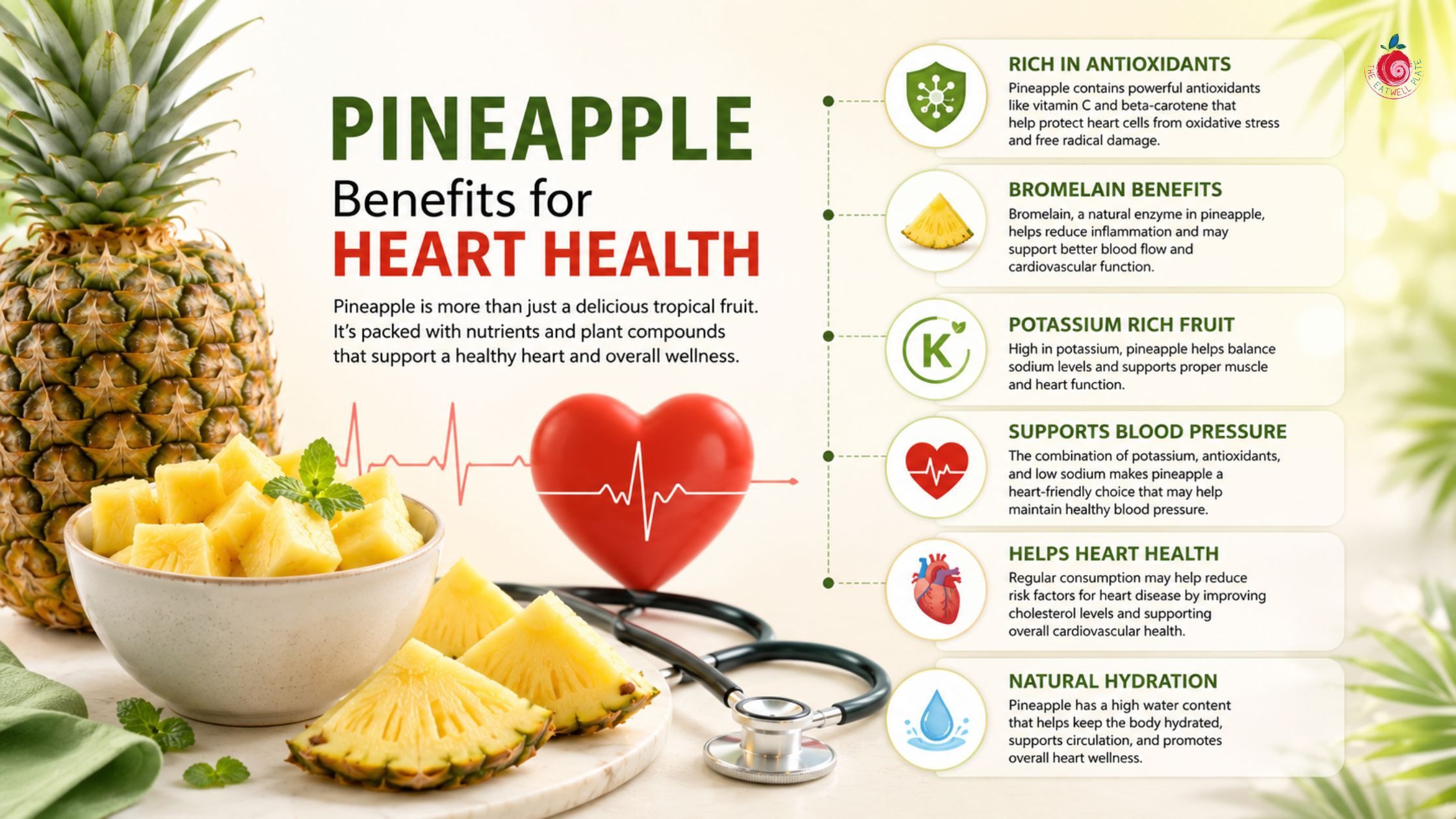
Adding sweet, tangy fruit to your routine is an easy way to boost your nutrient intake. Here are the specific pineapple benefits for heart health you should know about.
Rich in Antioxidants
Pineapple contains powerful antioxidants, particularly flavonoids and phenolic acids. These antioxidants neutralize harmful free radicals in your body, reducing oxidative stress. By lowering oxidative stress, you help protect your heart and blood vessels from cellular damage that can lead to chronic cardiovascular disease.
Bromelain Benefits
One of the most unique aspects of pineapple is bromelain, a complex mixture of digestive enzymes. Bromelain benefits the body by acting as a natural anti-inflammatory agent. Since inflammation is a key driver of heart disease, consuming anti-inflammatory foods like pineapple can help soothe the cardiovascular system and support healthy blood circulation.
Potassium Rich Fruits
Maintaining a proper balance of minerals is critical for cardiovascular stability. As one of the many potassium rich fruits available, pineapple helps counterbalance the negative effects of sodium in your body. Adequate potassium intake relaxes the walls of your blood vessels, which is vital for blood pressure control foods.
Natural Hydration
Proper hydration keeps your blood at the right consistency, making it easier for your heart to pump it throughout your body. Because pineapple has a very high water content, it contributes to your daily fluid intake, keeping your system hydrated and functioning smoothly.
Can Pineapple Help Manage Blood Pressure and Cholesterol?
Yes, pineapple can play a supportive role in managing both conditions when included in a balanced diet for high blood pressure.
Because it is naturally low in sodium and high in potassium, pineapple helps your body excrete excess salt through urine. This process is highly beneficial for individuals following a low sodium diet India.
For cholesterol management, the dietary fiber found in pineapple helps bind to cholesterol in the digestive tract, preventing it from being fully absorbed into your bloodstream. When combined with other cholesterol lowering foods like oats, nuts, and leafy greens, pineapple becomes a valuable tool for maintaining healthy lipid profiles.
How to Include Pineapple in a Heart-Friendly Indian Diet
Integrating pineapple into a heart-friendly Indian diet is simple and delicious. Here are a few practical ways to enjoy it:
- Fresh Fruit Bowl: Mix chopped pineapple with papaya, pomegranate, and a sprinkle of chia seeds for a mid-morning snack.
- Grilled Pineapple: Lightly grill pineapple slices and serve them alongside grilled paneer or fish for a savory, low-fat dinner option.
- Smoothies: Blend fresh pineapple chunks with spinach and a small splash of coconut water for a refreshing, nutrient-dense drink.
- Salsas and Chutneys: Create a tangy pineapple salsa with cucumber, mint, and a dash of cumin powder to pair with your whole wheat rotis.
Sample Diet Chart For Heart Patients
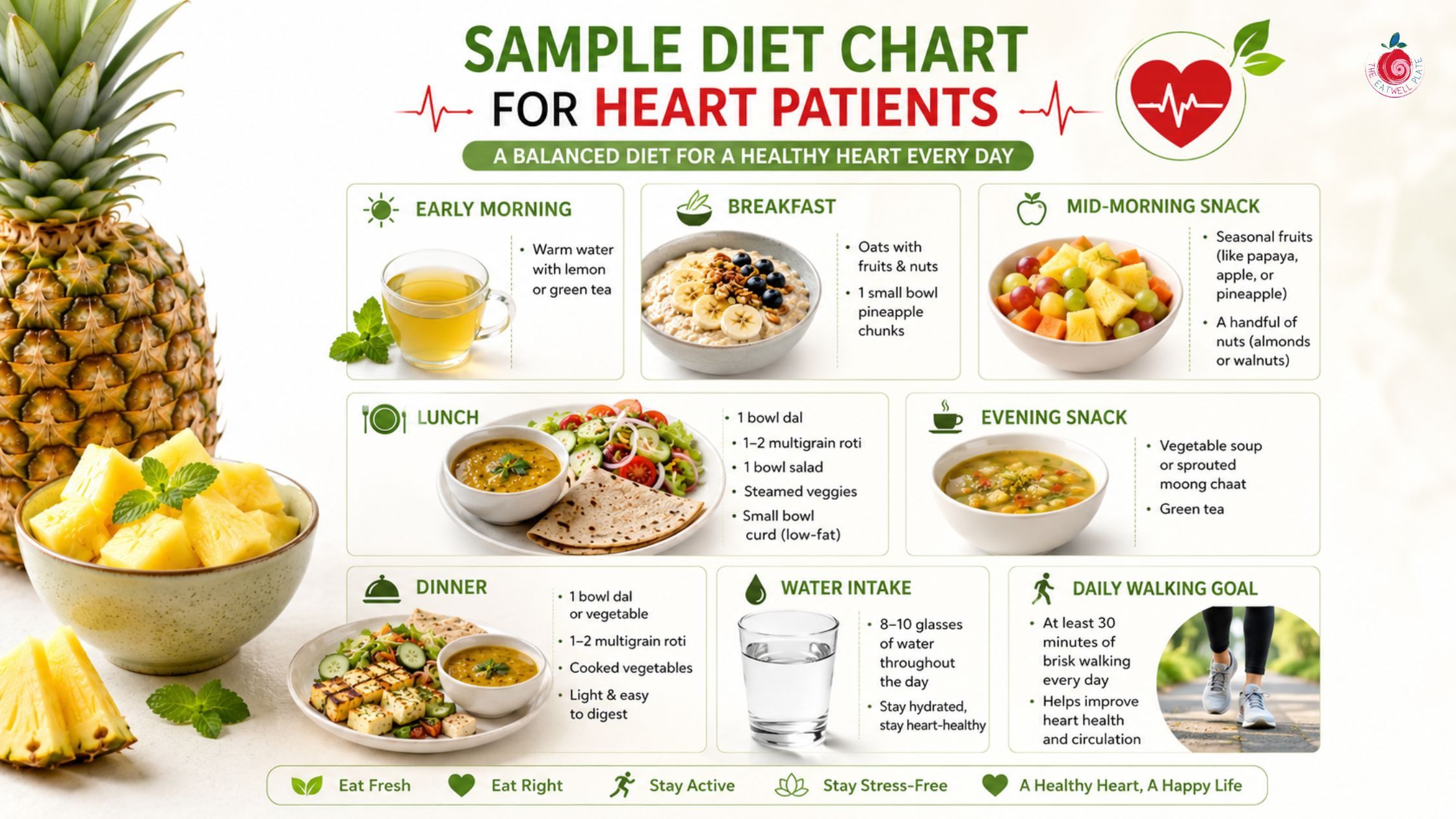
Building a sustainable routine requires variety and balance. Below is a sample diet chart for heart patients to give you a clear idea of what a healthy day of eating looks like.
Early Morning:
A glass of lukewarm water with a squeeze of lemon.
5-6 soaked almonds and 1-2 walnuts.
Breakfast:
A bowl of oats porridge cooked with skimmed milk.
Topped with fresh fruits like apple slices or berries.
Mid-Morning Snack:
1 small cup of fresh pineapple chunks.
A cup of green tea.
Lunch:
2 whole wheat or multigrain rotis.
1 bowl of dal (lentils) or kidney beans.
1 bowl of seasonal green vegetables (cooked with minimal oil).
A small portion of cucumber and carrot salad.
Evening Snack:
Roasted makhana (fox nuts) or a small handful of roasted chickpeas.
Dinner:
1 bowl of vegetable soup.
1 bowl of grilled chicken, tofu, or paneer with sautéed veggies.
A small portion of brown rice.
Disclaimer: This is a general outline. For a customized Diet Chart For Heart Patients tailored to your specific medical history, consult the experts at The Eat Well Plate.
Foods Heart Patients Should Avoid
Knowing what to restrict is just as important as knowing what to eat. To protect your heart, try to limit or avoid the following:
High-Sodium Foods: Pickles, papads, canned soups, and packaged namkeens contain excessive salt that spikes blood pressure.
Trans Fats and Saturated Fats: Deep-fried items, commercial baked goods, and fatty cuts of meat can raise your bad cholesterol levels.
Refined Carbohydrates: White bread, sugary cereals, and regular pasta cause rapid blood sugar spikes, stressing your blood vessels.
Sugary Beverages: Sodas and packaged fruit juices offer empty calories that contribute to weight gain and metabolic issues.
Lifestyle Tips for Better Cardiovascular Health
Nutrition for heart care works best when paired with healthy lifestyle habits.
1. Stay Active: Aim for at least 30 to 45 minutes of moderate exercise, like brisk walking, five days a week.
2. Manage Stress: Chronic stress raises blood pressure. Practice deep breathing, meditation, or yoga to calm your mind.
3. Prioritize Sleep: Ensure you get 7-8 hours of quality sleep every night to allow your body time to rest and repair.
4. Quit Smoking: Smoking damages your blood vessels and significantly increases the risk of heart attacks.
Common Mistakes People Make While Following Heart Diets
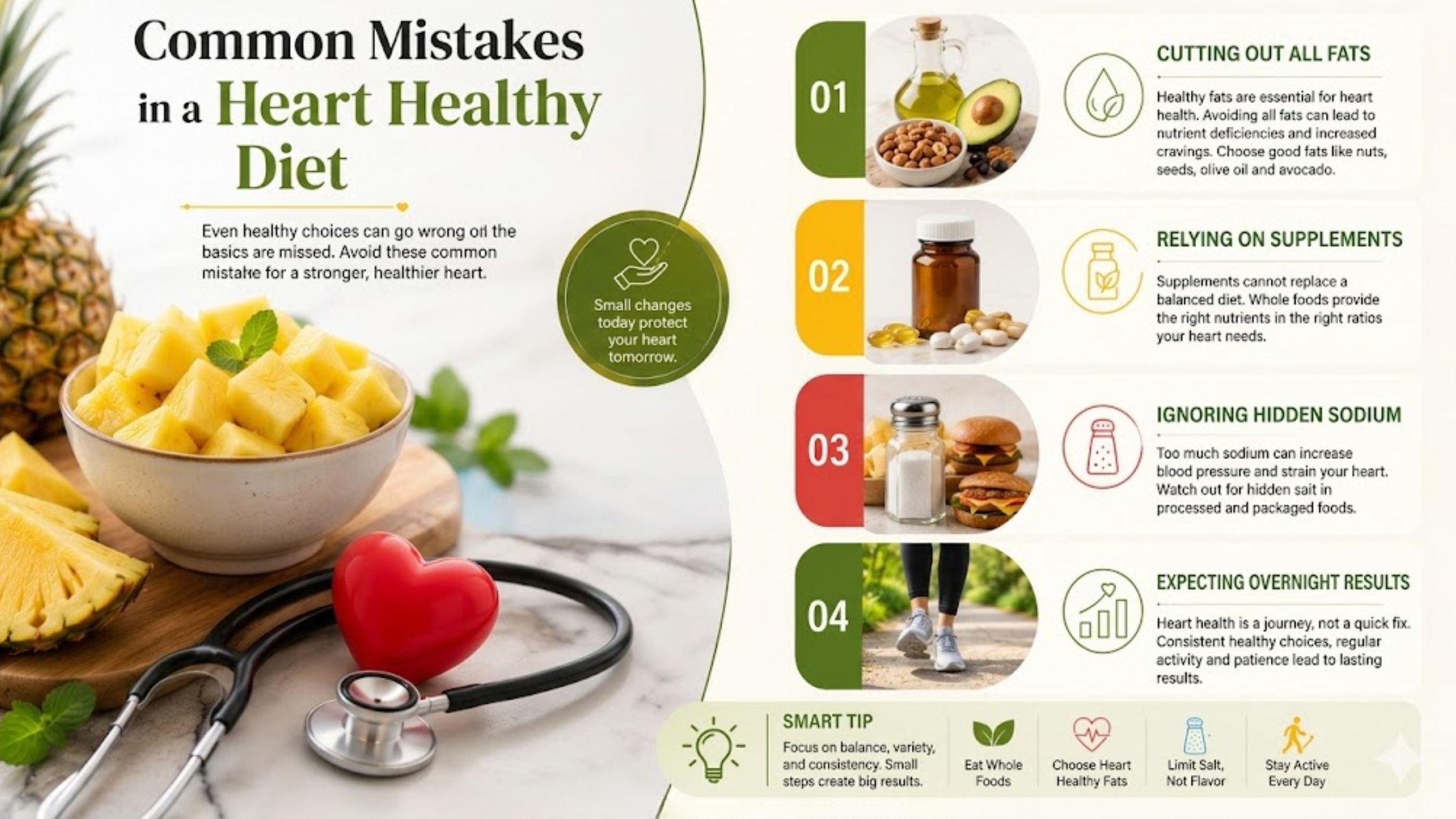
Even with the best intentions, people often make mistakes when trying to improve their heart health.
Cutting out all fats: Your body needs healthy fats. Instead of eliminating fat completely, choose sources like olive oil, avocados, and nuts.
Relying on supplements: Supplements cannot replace a poor diet. Focus on getting your nutrients from whole, natural foods first.
Ignoring hidden sodium: Many people stop using the salt shaker but continue eating processed sauces and condiments packed with hidden sodium.
Expecting overnight results: Heart health is a long-term commitment. Consistency is far more important than perfection.
Start Your Health Journey with The Eat Well Plate
Taking care of your cardiovascular system requires mindful choices, consistency, and professional guidance. Incorporating beneficial foods like pineapple into a structured diet chart for heart patients can make a remarkable difference in how you feel every day.
At The Eat Well Plate, we specialize in therapeutic diets and preventive nutrition. Our certified nutritionists take the time to understand your unique health concerns, lifestyle, and preferences. We provide practical, personalized diet plans that help you manage blood pressure, lower cholesterol, and achieve sustainable health improvements.
Do not wait for a health scare to make a change. Contact The EatWell Plate-Best Dietitian In Chandigarh today to book your expert consultation and receive a customized diet chart for heart patients that sets you up for long-term success.
Frequently Asked Questions (FAQs)
Q1. What should be included in a diet chart for heart patients?
A proper diet chart for heart patients should focus on whole grains, fresh vegetables, healthy fruits, lean proteins, and low-fat dairy. It should emphasize low-sodium meals and anti-inflammatory ingredients to support blood pressure and cholesterol control naturally.
Q2. Is pineapple safe for high blood pressure patients?
Yes, pineapple is completely safe and highly beneficial. It is naturally low in sodium and contains potassium, which helps relax blood vessels. Its high water content and antioxidants also support overall cardiovascular function and blood pressure management.
Q3. Can diet alone reverse heart disease?
While a heart healthy diet plan cannot entirely reverse severe heart disease on its own, it can significantly halt its progression. Proper nutrition improves cholesterol levels, lowers blood pressure, and reduces the risk of future cardiac events when combined with medical care.
Q4. How much pineapple can a heart patient eat daily?
Moderation is key. A standard serving of about one small cup of fresh, diced pineapple per day is generally safe and beneficial. Avoid canned pineapples packed in heavy sugary syrups, as the excess sugar is harmful to heart health.
Q5. What are the best cholesterol lowering foods?
Oats, barley, beans, lentils, nuts (like walnuts and almonds), and fruits rich in soluble fiber (like apples, pears, and pineapple) are excellent choices. Including these regularly helps bind cholesterol in the digestive system and removes it from the body.
Q6. Why is a low sodium diet important for the heart?
Consuming too much sodium causes your body to hold onto extra water, putting increased pressure on your heart and blood vessels. Following a low sodium diet India helps reduce this strain, keeping your blood pressure within a healthy, normal range.
Q7. How can I get a customized diet chart for heart patients?
You can easily get a personalized plan by consulting a certified nutritionist. The experts at The Eat Well Plate assess your medical history, lifestyle, and preferences to create a safe, effective, and sustainable diet chart for heart patients tailored just for you.