Managing PCOS weight loss requires more than just cutting calories. This comprehensive guide explores how hormones, metabolism, and nutrition work together to create an effective diet plan for weight loss with PCOS.
PCOS affects millions of women worldwide, making weight management particularly challenging. The condition creates a complex web of hormonal imbalances that directly impact metabolism, insulin sensitivity, and fat storage. Understanding these connections is crucial for developing a successful weight loss strategy.
Women with PCOS often experience frustrating weight gain around the midsection, difficulty losing weight despite dietary efforts, and increased cravings for carbohydrates. These symptoms aren’t just willpower issues—they’re biological responses to hormonal disruptions that require targeted nutritional approaches.
The key to successful PCOS weight management lies in addressing the root causes: insulin resistance, elevated androgen levels, and chronic inflammation. An effective diet plan for weight loss with PCOS must tackle these issues simultaneously while providing sustainable, enjoyable meal options.
Understanding the PCOS-Weight Connection
Insulin Resistance: The Primary Driver
Insulin resistance affects up to 70% of women with PCOS, regardless of their weight. This condition occurs when cells become less responsive to insulin, forcing the pancreas to produce more of this hormone. Elevated insulin levels promote fat storage, particularly around the abdomen, and make weight loss extremely difficult.
When insulin levels remain consistently high, your body stays in fat-storage mode rather than fat-burning mode. This explains why traditional low-calorie diets often fail for women with PCOS—they don’t address the underlying insulin dysfunction.
Hormonal Imbalances and Metabolism
PCOS disrupts several key hormones that regulate appetite, metabolism, and fat storage. Elevated androgens (male hormones) can slow metabolism and promote weight gain in the abdominal area. Additionally, imbalances in leptin (the satiety hormone) and ghrelin (the hunger hormone) can lead to increased appetite and difficulty recognizing fullness.
These hormonal disruptions create a perfect storm for weight gain and retention. However, strategic nutritional interventions can help restore hormonal balance and support healthy weight loss.
Essential Components of a PCOS Weight Loss Diet Plan
Focus on Blood Sugar Stability
Maintaining stable blood sugar levels is fundamental to any effective diet plan for weight loss with PCOS. This means choosing foods that provide steady energy without causing dramatic insulin spikes.
Complex carbohydrates, lean proteins, and healthy fats should form the foundation of each meal. These macronutrients work together to slow digestion and prevent rapid blood sugar fluctuations. Examples include quinoa with grilled chicken and avocado or steel-cut oats topped with nuts and berries.
Anti-Inflammatory Foods
Chronic inflammation is both a cause and consequence of PCOS symptoms. Including anti-inflammatory foods in your diet can help reduce inflammation markers and support weight loss efforts.
Fatty fish rich in omega-3 fatty acids, colorful vegetables loaded with antioxidants, and herbs like turmeric and ginger can help combat inflammation. These foods not only support weight loss but also improve overall PCOS symptoms.
Strategic Carbohydrate Timing
Rather than eliminating carbohydrates entirely, focus on timing and quality. Consuming most of your carbohydrates earlier in the day when insulin sensitivity is typically higher can improve glucose metabolism and support weight loss.
Choose nutrient-dense carbohydrates like sweet potatoes, berries, and legumes over processed options. These provide essential vitamins, minerals, and fiber while supporting stable blood sugar levels.
Meal Planning Strategies for PCOS Weight Loss
The Balanced Plate Method
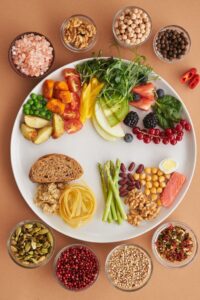
Create meals using the balanced plate method: fill half your plate with non-starchy vegetables, one quarter with lean protein, and one quarter with complex carbohydrates. Add a source of healthy fat to complete the meal.
This approach ensures you’re getting adequate nutrients while maintaining portions that support weight loss. The high fiber content from vegetables also helps with satiety and blood sugar control.
Smart Snacking Solutions
Strategic snacking can prevent blood sugar dips that lead to cravings and overeating. Choose protein-rich snacks paired with healthy fats or fiber-rich foods. Examples include Greek yogurt with nuts, apple slices with almond butter, or hummus with vegetable sticks.
Avoid snacking on processed foods or simple carbohydrates alone, as these can trigger insulin spikes and increased hunger.
Hydration and Timing
Proper hydration supports metabolism and can help control appetite. Drink water throughout the day, and consider having a glass before meals to promote satiety.
Meal timing also matters for PCOS management. Consider eating larger meals earlier in the day when insulin sensitivity is higher, and lighter meals in the evening.
Lifestyle Factors That Support Your Diet Plan
Sleep and Stress Management
Poor sleep and chronic stress can sabotage even the best diet plan for weight loss with PCOS. Both factors increase cortisol levels, which can worsen insulin resistance and promote weight gain.
Prioritize 7-9 hours of quality sleep per night and incorporate stress-reduction techniques like meditation, yoga, or deep breathing exercises into your daily routine.
Physical Activity Integration
While diet is crucial, combining it with appropriate exercise amplifies weight loss results. Strength training helps build lean muscle mass, which improves metabolism and insulin sensitivity.
Moderate cardio activities like walking, swimming, or cycling can also support weight loss without overproducing stress hormones that might worsen PCOS symptoms.
Supplements and Additional Support
Key Nutrients for PCOS
Certain supplements may support your diet plan for weight loss with PCOS. Inositol has shown promise in improving insulin sensitivity and supporting weight loss in women with PCOS. Omega-3 fatty acids can help reduce inflammation and support hormonal balance.
Vitamin D deficiency is common in PCOS and may contribute to insulin resistance. Consider having your vitamin D levels tested and supplementing if necessary.
Professional Guidance
Working with healthcare professionals experienced in PCOS management can significantly improve your success. A registered dietitian can help create a personalized diet plan that addresses your specific needs and preferences.
Regular monitoring of hormonal levels, blood sugar, and other health markers helps ensure your plan is working effectively and allows for adjustments as needed.
Common Challenges and Solutions
Dealing with Cravings
Sugar and carbohydrate cravings are common with PCOS due to insulin resistance and hormonal fluctuations. Combat cravings by ensuring each meal contains adequate protein and healthy fats to promote satiety.
When cravings strike, try a protein-rich snack or a cup of herbal tea. Sometimes what feels like hunger is actually thirst or stress.
Plateau Prevention
Weight loss plateaus are frustrating but normal, especially with PCOS. If progress stalls, consider adjusting portion sizes, changing your exercise routine, or reassessing stress levels and sleep quality.
Sometimes a planned “refeed” day with slightly higher calories can help restart metabolism and overcome plateaus.
Long-Term Success Strategies
Building Sustainable Habits
The most effective diet plan for weight loss with PCOS is one you can maintain long-term. Focus on gradual changes rather than dramatic restrictions. This might mean starting with one healthy meal per day and building from there.
Meal preparation can be a game-changer for consistency. Spend time each week planning and preparing healthy meals and snacks to avoid impulsive food choices.
Tracking Progress Beyond the Scale
Weight fluctuations are normal with PCOS due to hormonal changes and water retention. Track progress using multiple methods: body measurements, how clothes fit, energy levels, and improvements in PCOS symptoms.
Photos can also be motivating, as changes in body composition may not always reflect on the scale.
Creating Your Personal Action Plan
Success with a diet plan for weight loss with PCOS requires a personalized approach that considers your individual symptoms, preferences, and lifestyle. Start by identifying your biggest challenges—whether that’s meal preparation time, specific food cravings, or managing stress.
Begin with small, manageable changes that you can build upon. This might include adding a protein source to breakfast, incorporating more vegetables into lunch, or establishing a consistent meal timing schedule.
Consider keeping a food and symptom diary to identify patterns between what you eat and how you feel. This information can help you and your healthcare team fine-tune your approach for optimal results.
For comprehensive support in developing your personalized diet plan for weight loss with PCOS, consider consulting with nutrition experts who specialize in hormonal health. The Eat Well Plate offers specialized guidance for women managing PCOS, providing tailored nutrition strategies that address both weight management and symptom relief.
Remember that managing PCOS and achieving sustainable weight loss is a journey, not a destination. With the right nutritional foundation, lifestyle support, and professional guidance, you can develop an effective diet plan that not only supports weight loss but also improves your overall health and quality of life.