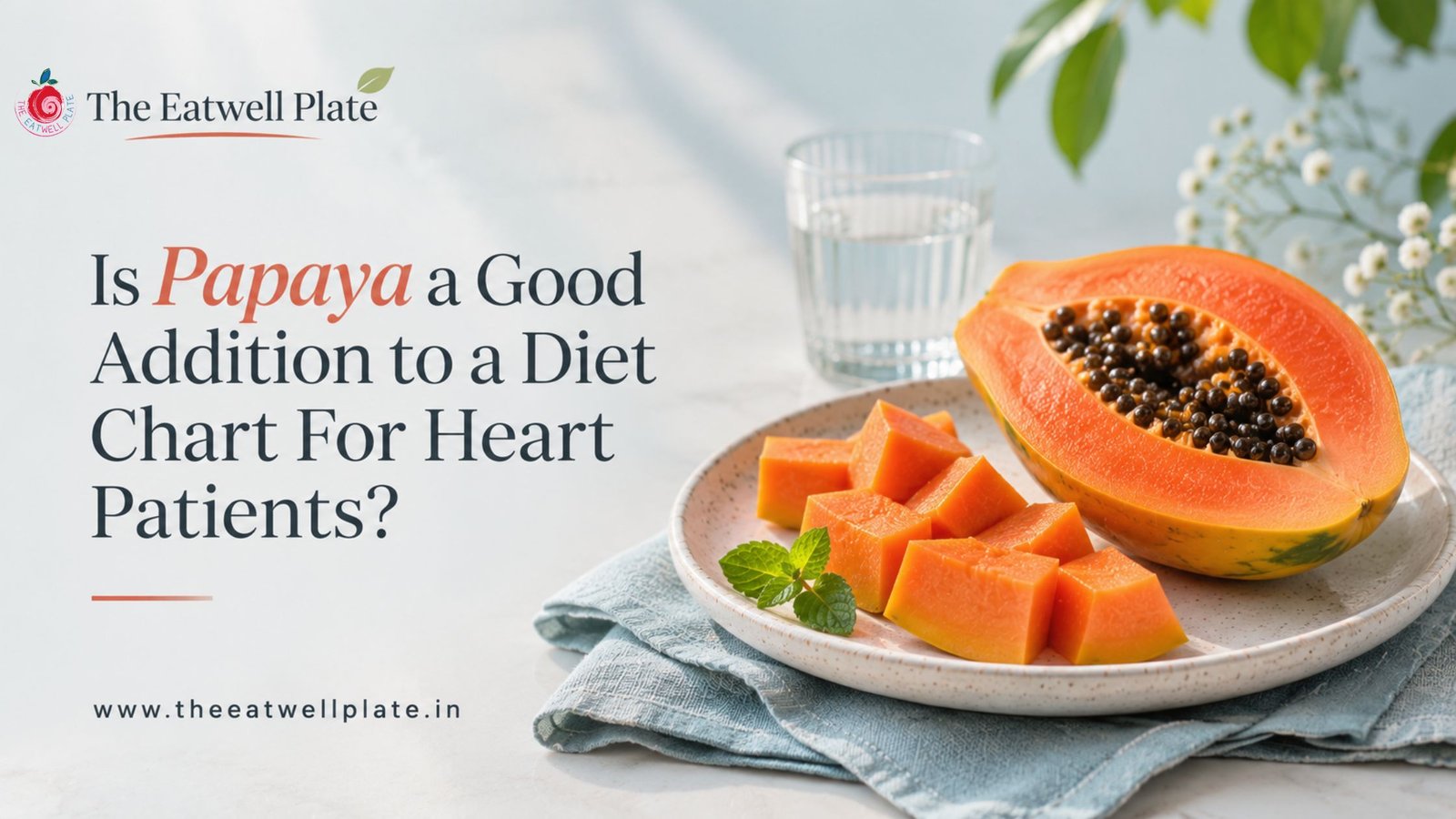
Quick answer: Papaya can be a healthy addition to a diet chart for heart patients because it offers fibre, potassium, vitamin C, and antioxidants that support general wellness. However, papaya alone cannot prevent or treat heart disease. Its suitability depends on individual factors like kidney function, blood sugar levels, and current medications, so personalized guidance matters more than any single fruit.
Choosing the right fruits matters when you’re planning meals for heart-related concerns. Many people search for quick fixes, hoping one “superfood” will solve their health worries. But the truth is more nuanced. A thoughtful diet chart for heart patients considers the whole eating pattern, not just one ingredient.
Papaya often comes up in these conversations. It’s sweet, widely available across India, and packed with nutrients. This naturally raises the question: does papaya deserve a spot in a diet chart for heart patients? Let’s look at the evidence.
Is Papaya Generally Suitable for Heart Patients?
For most people managing heart-related concerns, papaya is generally considered a suitable fruit choice. It’s low in saturated fat, contains no cholesterol, and brings dietary fibre along with several vitamins and antioxidants to the table.
That said, “generally suitable” doesn’t mean “right for everyone.” Every diet chart for heart patients should reflect the person’s unique medical history, current medications, and other health conditions. This is why papaya works well for many, but not necessarily all, individuals with heart-related concerns.
What Makes Papaya a Potentially Useful Fruit Choice?
Papaya brings several nutrients to the table that align with a heart-conscious way of eating. Ripe papaya is naturally low in calories and fat, which makes it easy to include without disrupting portion control. Besides that, it has a pleasant taste and texture, so it’s easy to enjoy regularly without feeling like a chore.
Nutritional Profile of Papaya
Understanding what’s actually inside papaya helps explain its place in a heart-conscious diet.
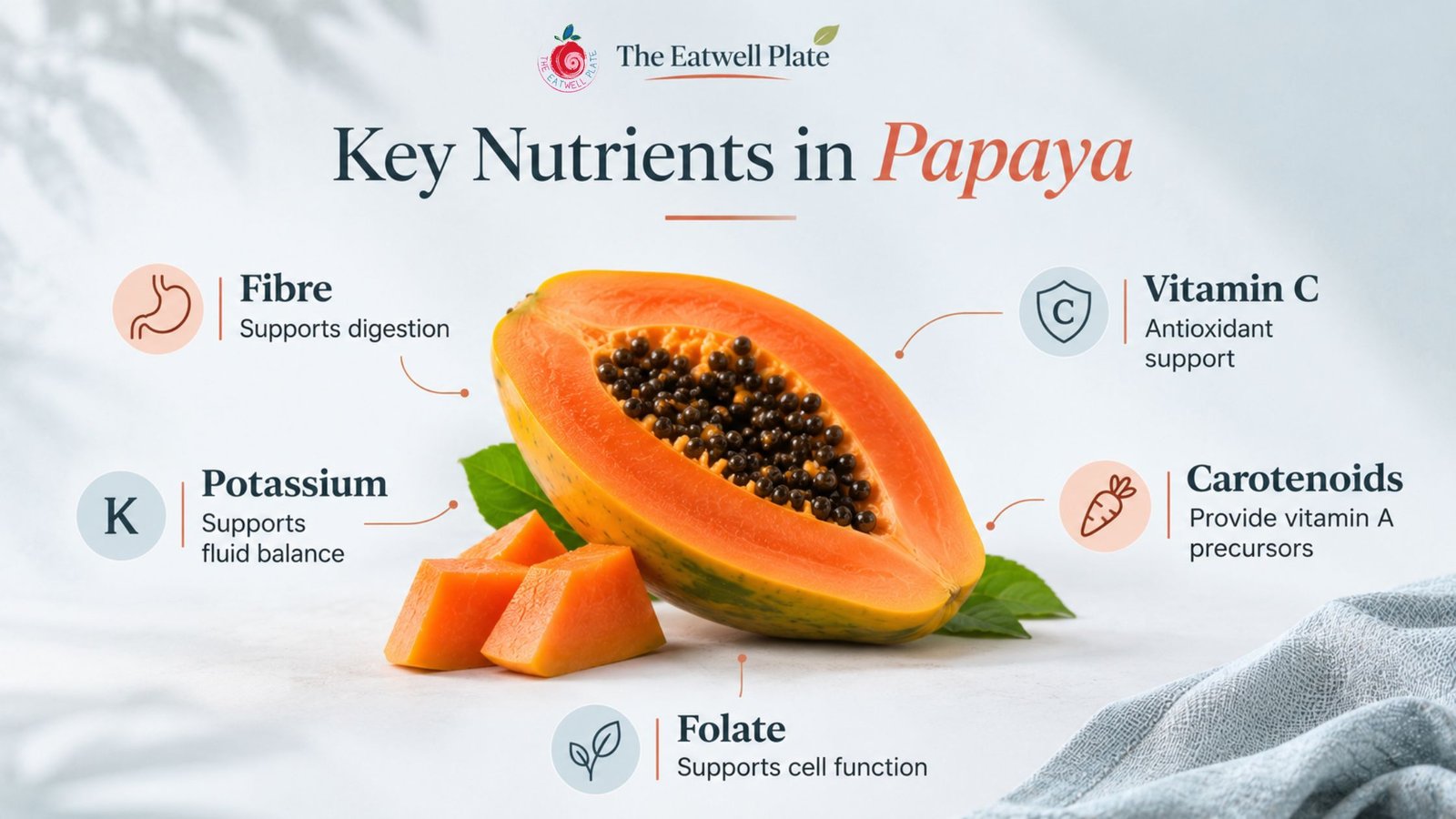
Dietary fibre: Papaya contains a good amount of soluble and insoluble fibre, which supports digestion and helps maintain steady, comfortable eating patterns.
Potassium: This fruit is a source of potassium, a mineral that plays a role in maintaining fluid balance and normal muscle and nerve function throughout the body.
Vitamin C: Papaya is rich in vitamin C, an antioxidant vitamin that supports immune function and overall cellular health.
Vitamin A and carotenoids: The orange colour of papaya comes from carotenoids, including beta-carotene, which the body can convert into vitamin A.
Folate: Papaya provides folate, a B-vitamin important for cell function and red blood cell production.
Antioxidants: Beyond vitamin C, papaya contains additional antioxidant compounds that help the body manage oxidative stress.
How Do These Nutrients Fit Into a Heart-Conscious Eating Pattern?
None of these nutrients work in isolation to protect the heart. Instead, they contribute to overall health when combined with a varied, balanced diet. Fibre, for example, supports healthy digestion and helps people feel satisfied after meals, which can make it easier to manage portion sizes across the day.
Potassium is often discussed alongside sodium because the two minerals work together to support healthy fluid balance in the body. As a result, many heart-conscious eating patterns, including the DASH-style approach, emphasize potassium-rich foods alongside reduced sodium intake. However, papaya should be seen as one part of this broader pattern rather than a standalone solution.
Antioxidants like vitamin C and carotenoids help the body manage oxidative stress, which is a normal part of general cellular health. It’s important to note that papaya does not directly lower blood pressure or reduce cholesterol. Rather, including antioxidant-rich foods is one piece of an overall nutrition approach that supports general wellness.
Nutritional Components of Papaya and Their Role in a Heart-Friendly Diet
| Nutrient | Role in General Health | How It Fits Into a Heart-Conscious Diet |
| Dietary Fibre | Supports digestion and helps maintain fullness | Encourages balanced portion control and regular eating habits |
| Potassium | Supports fluid balance and muscle function | Often paired with lower sodium intake in heart-conscious eating patterns |
| Vitamin C | Supports immunity and tissue repair | Contributes antioxidant support as part of an overall nutrient-dense diet |
| Vitamin A & Carotenoids | Support vision and cell health | Add antioxidant variety to a balanced plate |
| Folate | Supports red blood cell production | Complements a nutrient-rich, whole-food eating pattern |
| Antioxidants | Help manage oxidative stress | Support general wellness alongside other healthy foods |
How Much Papaya Can Be Included in a Heart-Friendly Routine?
A commonly suggested serving is around one cup (roughly 140-150 grams) of fresh, ripe papaya. This amount can fit comfortably into a daily diet chart for heart patients without crowding out other important food groups.
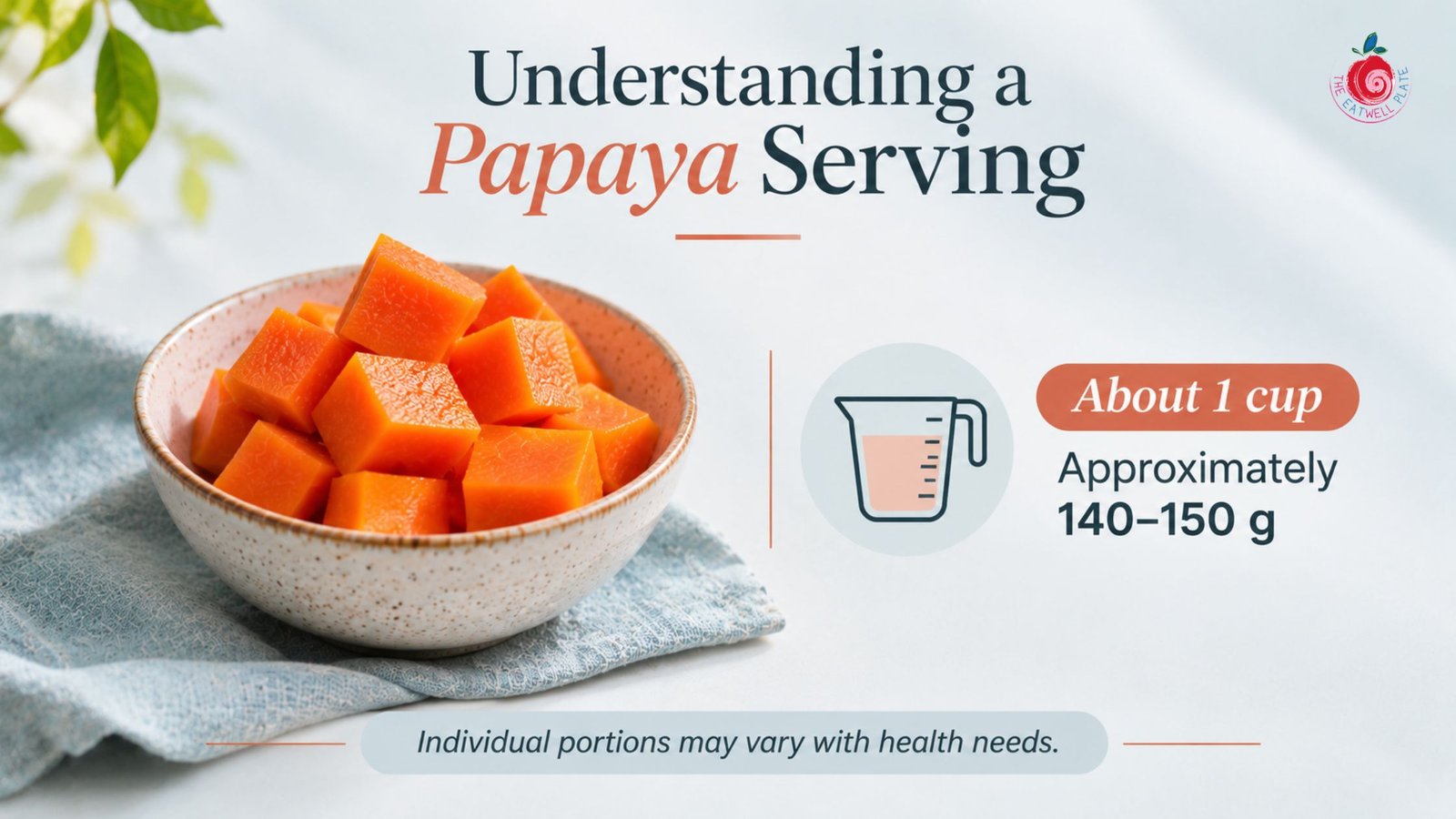
However, individual portions depend on several factors, including total calorie needs, blood sugar goals, kidney function, and any potassium restrictions prescribed by a doctor. Because of this, it’s best to treat general serving suggestions as a starting point rather than a fixed rule. A dietitian can help determine the right amount based on a person’s full health picture.
What Are the Best Ways to Consume Papaya?
There are several simple, practical ways to include papaya in daily meals:
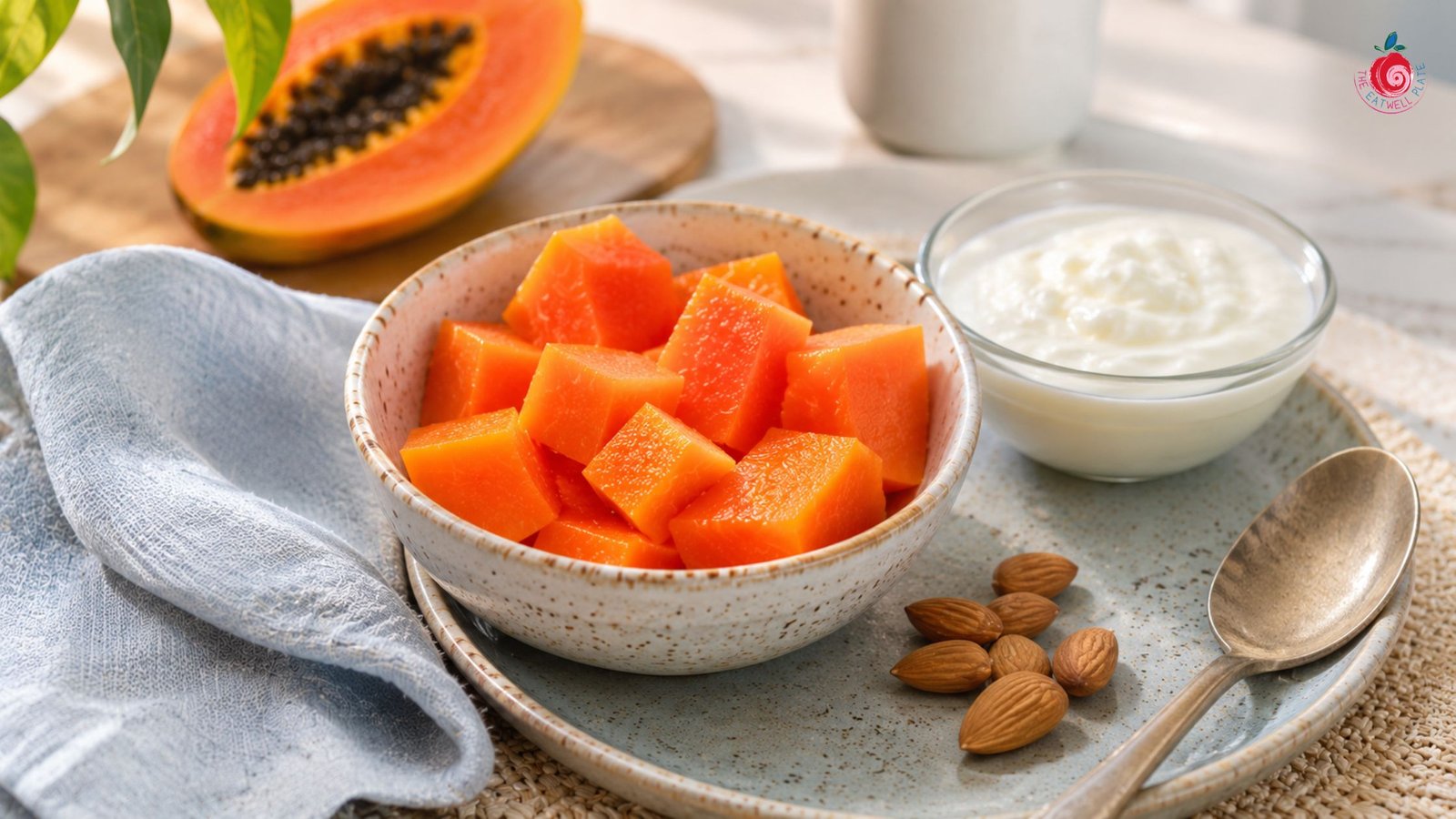
- Fresh, ripe papaya pieces: Enjoyed on its own as a snack or dessert.
- As part of a balanced breakfast: Paired with oats, curd, or a handful of nuts for a more filling meal.
- Combined with unsweetened foods: Mixed into plain yogurt or a fruit bowl without added sugar.
- As a snack instead of processed sweets: A smart swap for biscuits, sweetened packaged snacks, or desserts.
These approaches keep papaya in its most natural, nutrient-dense form, which is generally preferable to processed versions.
Fresh Papaya vs. Processed Forms: A Quick Comparison
| Form | Nutritional Value | Best Use |
| Fresh, Ripe Papaya | High in fibre, vitamins, and antioxidants | Ideal everyday choice for a heart-conscious diet |
| Papaya with Added Sugar | Reduced nutritional benefit; higher sugar content | Best limited or avoided |
| Packaged Papaya Juice | Often lower in fibre and higher in added sugar | Use sparingly, if at all |
| Papaya as Part of a Balanced Meal | Supports overall nutrient intake | Recommended for consistent, sustainable results |
Is Papaya Suitable for People Managing High Blood Pressure, High Cholesterol, or Diabetes?
Papaya can generally be included by people managing high blood pressure, high cholesterol, or diabetes, though the right approach varies from person to person. For those focused on blood pressure, papaya’s potassium content may complement a broader heart-healthy diet plan, provided kidney function is normal.
For people managing cholesterol, papaya’s fibre content can be a useful addition alongside other fibre-rich foods like oats, legumes, and vegetables. Meanwhile, those managing diabetes should pay attention to portion size, since papaya does contain natural sugars that affect blood glucose levels differently depending on the individual.
Because dietary needs differ so much between individuals, a diet plan for heart patients should always be personalized rather than generic.
When Does Papaya Require Extra Caution?
While papaya suits many people, certain situations call for additional care:
- Chronic kidney disease or potassium restriction: People with kidney concerns are often advised to limit potassium-rich foods. Anyone on a prescribed potassium restriction should consult their healthcare professional before increasing papaya intake.
- Diabetes or blood sugar management: Portion size matters, since papaya contains natural sugars.
- Food allergies or intolerances: Some individuals may be sensitive to papaya, particularly those with latex allergies, due to cross-reactivity.
- Medication-related considerations: Certain medications can interact with dietary changes, so it’s wise to flag any major shift in fruit intake with a healthcare provider.
Why Heart Patients on Medication Should Consult Their Doctor First
People taking prescribed heart medicines or blood thinners should always discuss significant dietary changes with their cardiologist or healthcare provider. This is especially true for foods that are high in vitamin K or potassium, since these can interact with certain medications. No one should stop or adjust their prescribed treatment based on food choices alone. Food can support overall wellness, but it does not replace medical care.
Common Mistakes to Avoid
Even with good intentions, people sometimes make avoidable errors when trying to improve their heart-friendly eating habits:
- Eating excessive portions: More papaya doesn’t automatically mean more benefit. Balance matters.
- Relying on one fruit for heart health: No single food can protect the heart on its own.
- Adding unnecessary sugar: Sprinkling sugar or salt on papaya reduces its nutritional value.
- Replacing prescribed treatment with food remedies: Diet supports treatment; it does not replace it.
Why a Varied, Balanced Indian Diet Matters
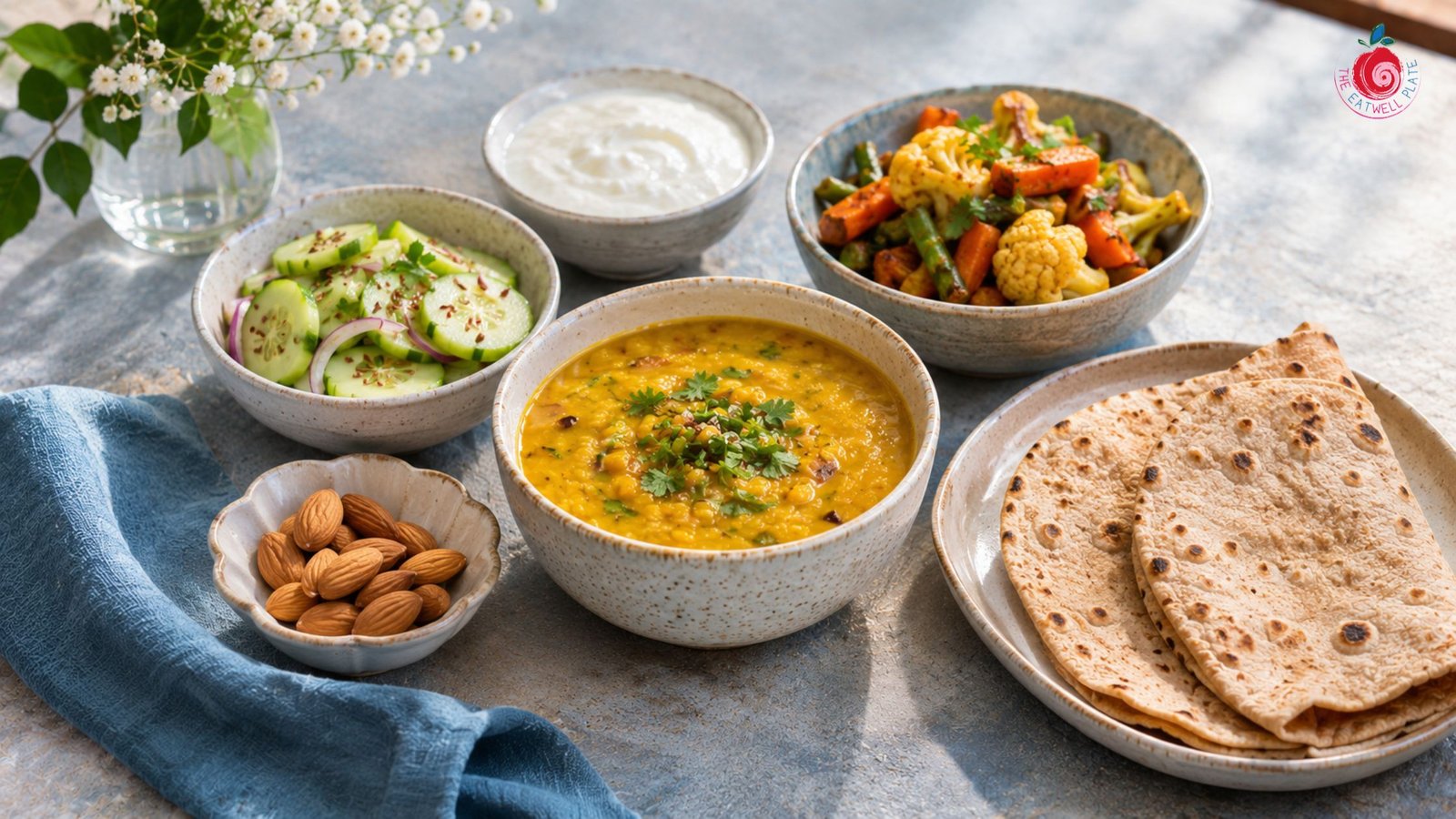
A heart-healthy diet plan works best when it includes a wide variety of foods, not just papaya. A balanced Indian diet should feature:
- Seasonal fruits and vegetables
- Whole grains like brown rice, millets, and whole wheat
- Pulses and legumes for plant-based protein
- Healthy fats like nuts, seeds, and cold-pressed oils
- Lean protein sources suited to individual preferences
This variety ensures the body receives a broad spectrum of nutrients that no single fruit, including papaya, can provide alone.
Why a Personalized Diet Chart For Heart Patients Works Better Than a Generic One
Generic diet charts found online often ignore crucial details like kidney function, medication interactions, allergies, and personal food preferences. A proper diet chart for heart patients should account for these specifics, along with lifestyle factors like daily routine, activity level, and cultural food habits.
This is where professional guidance becomes valuable. The EatWell Plate’s blood pressure and heart health nutrition program focuses on building personalized, DASH-inspired diet plans that consider each person’s full health picture, not just one food group. Their process includes a detailed health and lifestyle assessment, practical meal planning using familiar foods, and regular follow-ups to track progress and make adjustments as needed.
For those who want a more structured path, The EatWell Plate also offers several nutrition packages, ranging from the 2-week Reboot Plan for a quick start to the 12-month Transformation Plan for long-term, evolving support. Each program includes personalized diet planning and consistent follow-ups, which matter far more for lasting results than any single fruit ever could.
If you’re searching for reliable, locally relevant nutrition guidance, working with the best dietitian in Chandigarh can make a meaningful difference in how you approach food choices for blood pressure, cholesterol, and general wellness. Dietitian Sangeeta and the team at The EatWell Plate take a personalized approach, looking closely at individual health history, daily routines, and food preferences before recommending any changes. Rather than offering one-size-fits-all advice, their guidance focuses on practical, sustainable adjustments paired with ongoing follow-up support. For anyone based in Chandigarh looking for clear, trustworthy nutrition direction, booking a consultation is a sensible first step toward better-informed food choices.
Papaya Can Be Part of the Picture, But It’s Not the Whole Story
Papaya brings genuine nutritional value to the table, including fibre, potassium, vitamin C, and antioxidants that support general wellness. For many people, it can comfortably fit into a diet chart for heart patients. However, overall food choices, medical history, and individual health needs matter far more than relying on any single fruit.
If you’re looking for guidance tailored to your specific situation, reach out to The EatWell Plate for a personalized diet plan built around your health history, lifestyle, and food preferences. You can contact the team at +91 8283820521, email support@theeatwellplate.in, or visit theeatwellplate.in to book a consultation and take the next step toward a diet chart that actually fits your needs.
Frequently Asked Questions
Q1. Is papaya safe for most heart patients?
Yes, papaya is generally safe for most heart patients when eaten in moderate portions as part of a balanced diet. However, those with kidney issues, potassium restrictions, or specific medication concerns should check with their healthcare provider first.
Q2. How much papaya can a heart patient eat daily?
A common serving is around one cup of fresh, ripe papaya daily, though this varies by individual. Factors like kidney function, blood sugar goals, and total dietary needs should guide the exact portion.
Q3. Can papaya help people with high blood pressure or cholesterol?
Papaya’s fibre and potassium content can support a broader heart-healthy diet plan, but it does not directly lower blood pressure or cholesterol on its own. It works best as part of a varied, balanced eating pattern.
Q4. Which fruits are generally suitable for a heart-friendly diet?
Many fruits, including papaya, berries, apples, oranges, and pomegranates, can fit well into a heart-friendly diet. The right mix depends on individual health conditions, so personalized guidance is always helpful.