
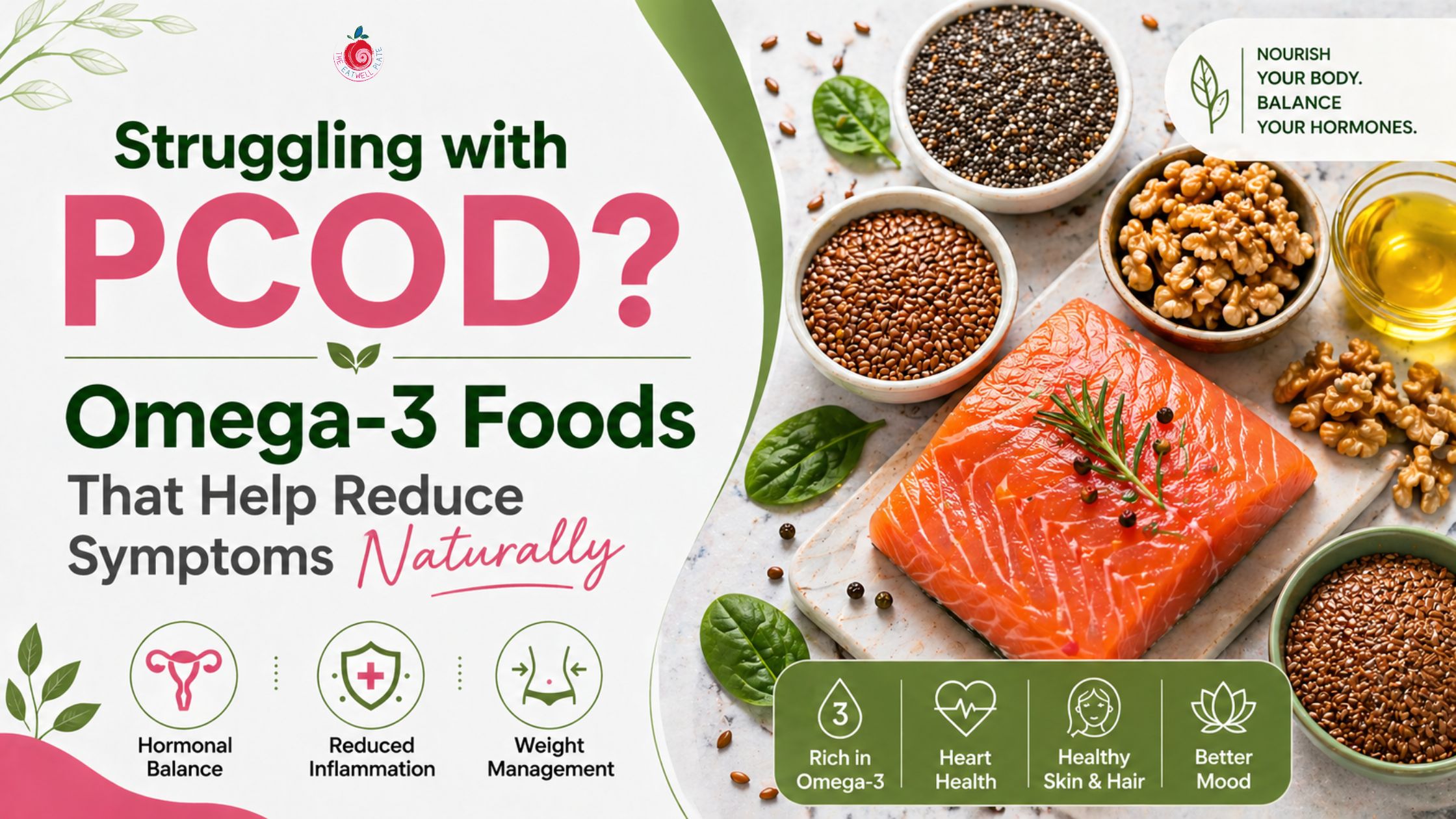
Dealing with missed periods, sudden weight gain, and unpredictable mood swings can feel incredibly exhausting. For many young women, working professionals, and mothers across India, waking up to the realities of hormonal imbalance brings daily stress and anxiety. You might feel like your body is fighting against you, leaving you searching endlessly for a sustainable Pcod Problem Treatment that actually works.
Finding relief does not always require harsh measures. Diet plays a fundamental role in managing and healing your body from within. Specifically, integrating omega-3 foods for PCOD can be a transformative step toward regaining control. As a certified nutritionist specializing in women’s health nutrition, I have seen firsthand how the right dietary adjustments can bring profound changes. Let us explore how specific nutrients can help you manage your symptoms naturally and effectively.
What is PCOD and why it happens
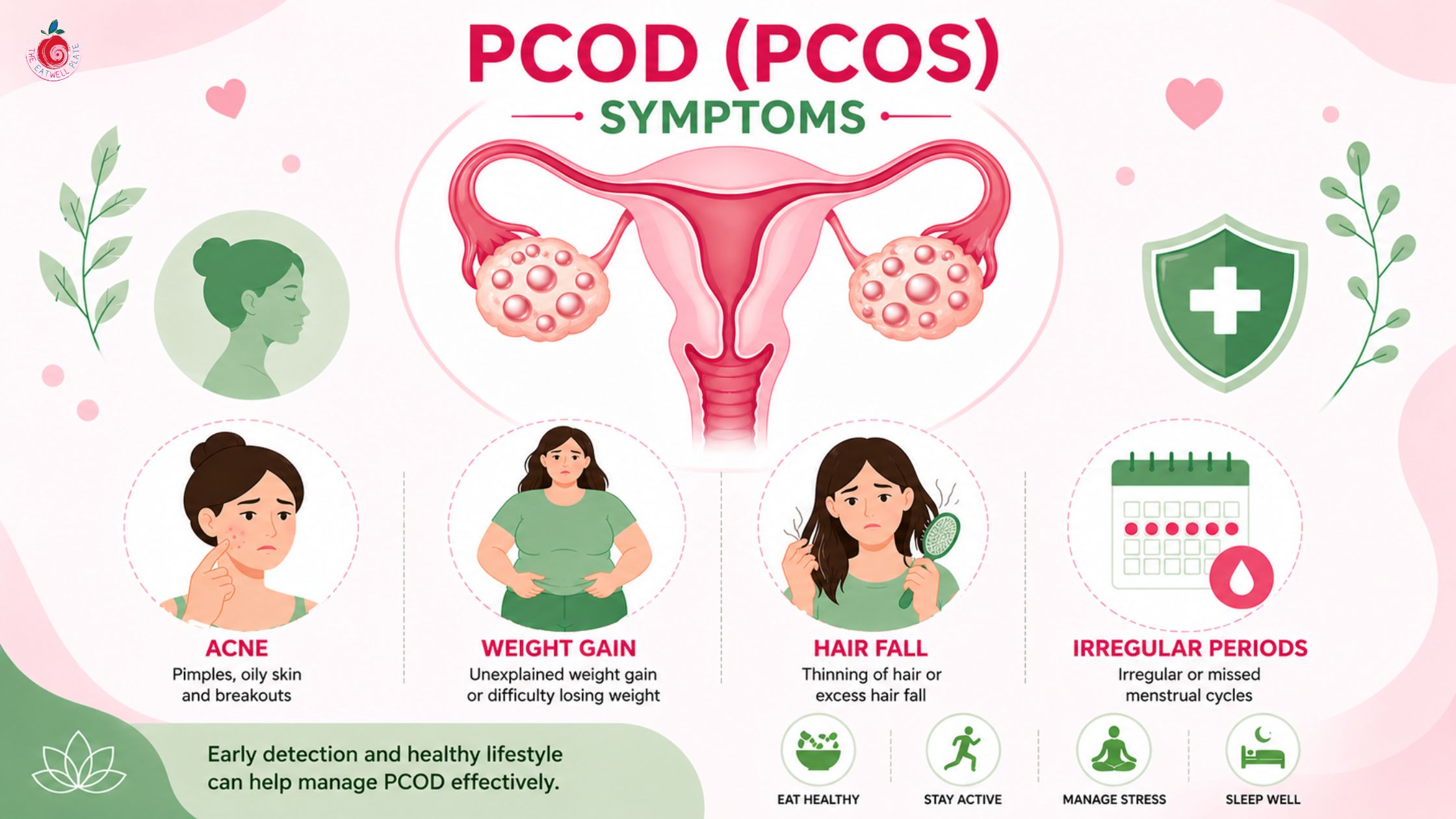
Polycystic Ovarian Disease (PCOD) occurs when a woman’s ovaries produce immature or partially mature eggs in large numbers. Over time, these become cysts. This condition is deeply connected to hormonal imbalances, specifically an overproduction of androgens (male hormones).
Genetics, poor lifestyle choices, and high stress levels contribute significantly to this hormonal disruption. When your body struggles to process insulin correctly, it triggers excess fat storage and increases inflammation. These internal changes manifest externally as stubborn acne, hair fall, fatigue, and weight gain, making daily life feel like an uphill battle.
The role of diet in Pcod Problem Treatment
Your daily meals dictate how your hormones function. A structured pcod problem treatment relies heavily on what you put on your plate. Eating the right foods helps regulate your menstrual cycle, manage your weight, and lower systemic inflammation.
A hormonal balance diet prioritizes whole, unprocessed foods over refined sugars and carbohydrates. When you focus on nutrient-dense meals, you give your body the exact tools it needs to repair cellular damage. Choosing foods to reduce PCOD symptoms allows you to address the root cause of the issue rather than temporarily masking the discomfort.
Why omega-3 fatty acids are important for hormonal balance
Healthy fats for PCOD are absolutely essential. Omega-3 fatty acids are structural components of your cell membranes and play a crucial role in producing hormones. Because the human body cannot produce omega-3s on its own, you must obtain them through your diet. These powerful nutrients help lower testosterone levels in women with PCOD, which directly reduces acne and unwanted facial hair growth.
Best omega-3 foods for PCOD
Incorporating the right ingredients into your meals can make a massive difference. Here are the top sources of omega-3s you should include in your natural PCOD treatment:
Flax seeds for PCOD
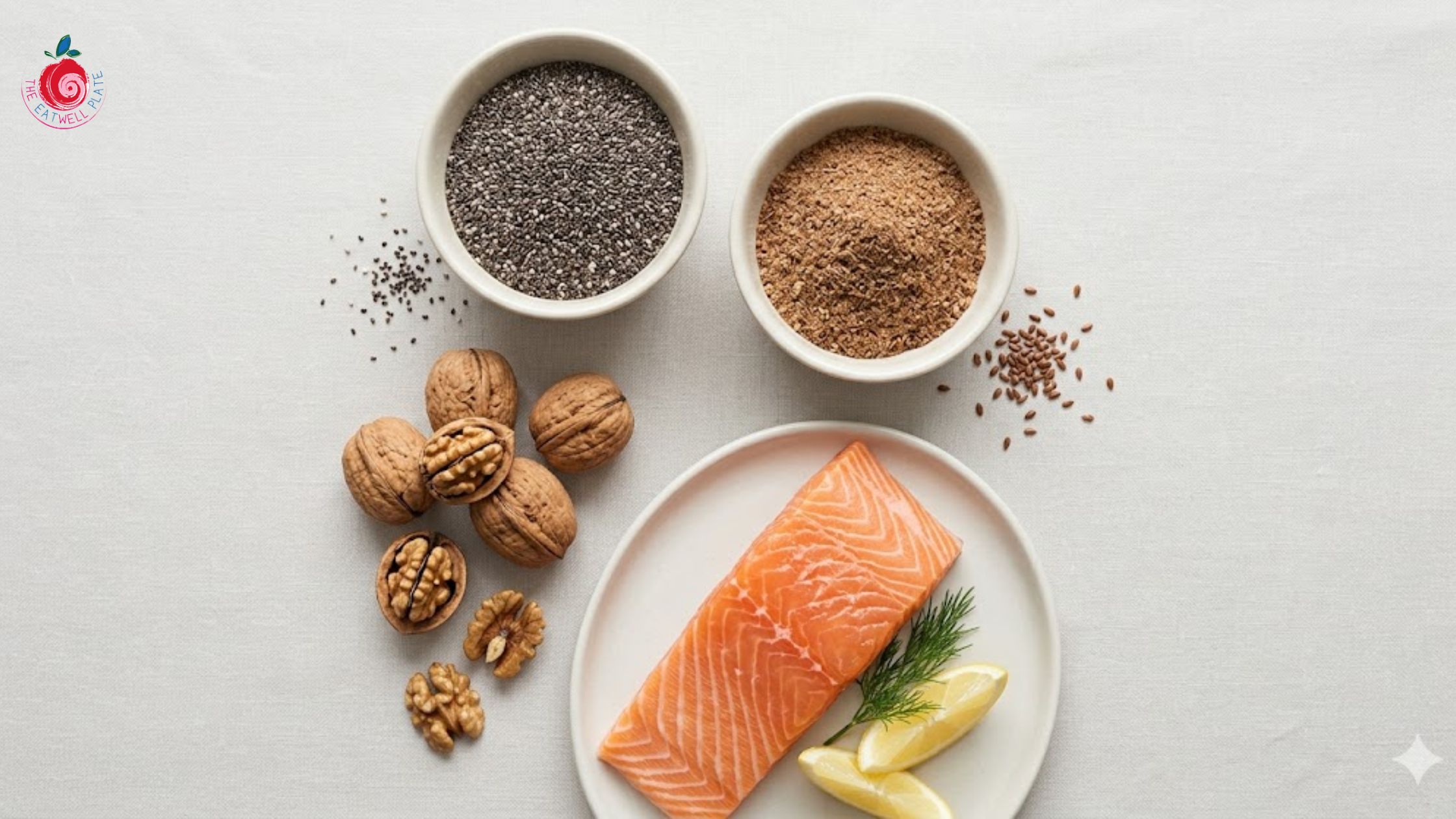
Flax seeds are a powerhouse of nutrition and contain high levels of alpha-linolenic acid (ALA), a plant-based omega-3. They also provide a compound called lignans, which binds to excess hormones and helps flush them out of your system. Ground flax seeds are easier for your body to digest and absorb.
Chia seeds benefits
These tiny seeds pack a massive nutritional punch. Chia seeds are incredibly rich in fiber and omega-3s, making them excellent for blood sugar regulation. When soaked in water, they form a gel-like consistency that aids digestion and keeps you feeling full, which is highly beneficial for a PCOD weight management diet.
Walnuts for hormones
Walnuts are one of the best nuts for hormonal health. They provide healthy fats that support brain health and reduce inflammation. Snacking on a handful of soaked walnuts every morning can significantly improve your lipid profile and provide lasting energy throughout the day.
Fatty fish
For non-vegetarians, fatty fish like salmon, mackerel, and sardines are premium sources of EPA and DHA (the most active forms of omega-3). Eating fish twice a week serves as one of the most potent anti-inflammatory foods PCOD fighters available.
How omega-3 reduces inflammation and insulin resistance PCOD
Chronic low-grade inflammation is a hallmark of PCOD. It causes the body to produce excess insulin, which in turn signals the ovaries to produce more testosterone. Omega-3 fatty acids act as natural fire extinguishers in the body, actively calming this inflammatory response.
By reducing cellular inflammation, omega-3s help your cells become more responsive to insulin. Managing insulin resistance PCOD through these healthy fats prevents extreme blood sugar spikes and crashes. This stabilization is vital for clearing up your skin, regulating your menstrual cycle, and reducing stubborn belly fat.
How to include omega-3 foods in your daily diet
Creating a practical pcod diet plan India requires simple, sustainable habits. You do not need to overhaul your entire kitchen overnight.
- Sprinkle a tablespoon of ground flax seeds over your morning oatmeal or yogurt.
- Blend chia seeds into your daily smoothies.
- Keep a small jar of roasted walnuts at your desk for a mid-afternoon snack.
- Use cold-pressed flaxseed oil as a dressing for your fresh salads.
Common mistakes to avoid in a PCOD diet
Many women try extreme, restrictive diets in a desperate bid to lose weight quickly. Skipping meals or cutting out all carbohydrates often worsens hormonal imbalances and increases cortisol (the stress hormone).
Another frequent mistake is avoiding all fats. Remember that your body needs healthy fats to produce hormones. Opting for fat-free packaged foods usually means consuming hidden sugars, which severely aggravates insulin resistance. Trusting a structured PCOD diet plan from experts like The Eat Well Plate ensures you avoid these common pitfalls and focus on sustainable healing.
Sample daily diet tips for a menstrual health diet
To kickstart your journey, here is a simple outline of what a hormone-friendly day can look like:
- Morning: A glass of warm water with a dash of cinnamon, followed by a handful of soaked walnuts and almonds.
- Breakfast: Besan chilla (chickpea flour pancake) loaded with vegetables, paired with a side of mint chutney.
- Mid-Morning: A small bowl of fresh papaya sprinkled with a teaspoon of chia seeds.
- Lunch: A generous portion of seasonal vegetables, one bowl of dal, and a small portion of brown rice or multigrain roti.
- Evening Snack: Roasted makhana (fox nuts) or a soothing cup of spearmint tea.
- Dinner: A light vegetable soup with a side of grilled paneer or fish, ensuring you consume your anti-inflammatory foods PCOD before bed.
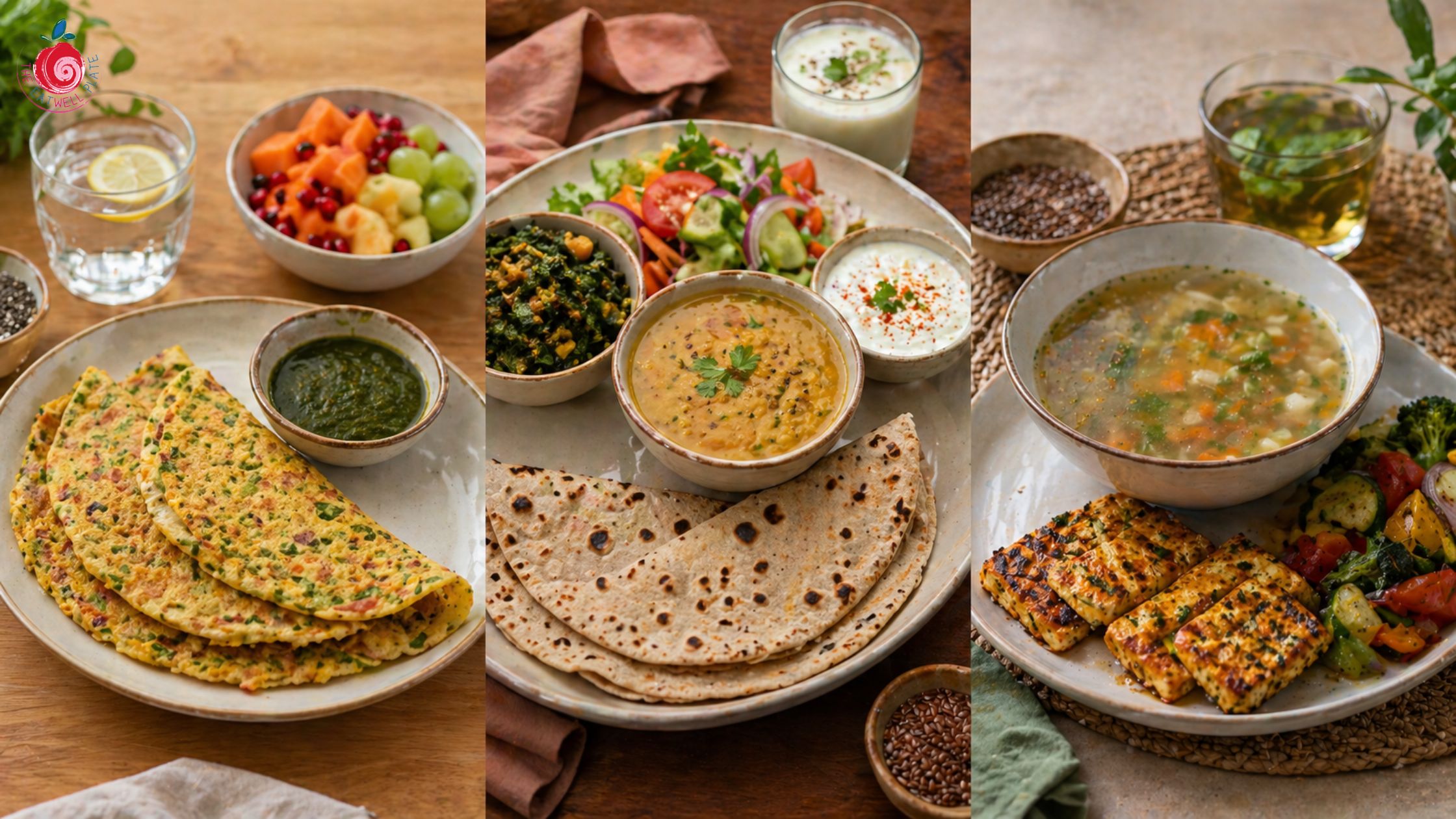
This Mother’s Day, take a moment to focus on your health and hormonal balance. In the middle of daily responsibilities, self-care often takes a back seat—but your well-being matters just as much. Choosing the right nutrition and small, consistent habits can make a meaningful difference in managing PCOD and improving overall health.
Frequently Asked Questions
Q1. Can diet alone be a reliable Pcod Problem Treatment?
Yes, a nutrient-dense diet is the foundation of managing PCOD. By regulating blood sugar and reducing inflammation, a tailored diet plan can naturally restore hormonal balance, normalize menstrual cycles, and significantly reduce reliance on medications.
Q2. How much omega-3 should I consume daily for PCOD?
For optimal hormonal health, aim for about 1 to 2 grams of omega-3 daily. You can easily achieve this by incorporating one to two tablespoons of chia or flax seeds, or a small handful of walnuts into your daily meals.
Q3. Will eating fats make me gain more weight?
No, consuming healthy fats like omega-3s actually aids in weight loss. These fats keep you satiated, balance your blood sugar, and reduce insulin spikes, making them a vital part of any effective PCOD weight management diet.
Q4. Can PCOD be completely cured?
While PCOD cannot be completely “cured” in the traditional sense, its symptoms can be fully managed and reversed. A consistent Pcod Problem Treatment involving diet, stress management, and lifestyle changes allows you to live a completely normal, symptom-free life.
Q5. How long does it take to see results from diet changes?
Most women begin to notice improvements in their energy levels and digestion within three to four weeks. However, significant changes in menstrual regularity and weight loss typically take about three to six months of consistent dietary habits.
Q6. Why is The Eat Well Plate recommended for PCOD management?
The Eat Well Plate specializes in women’s health nutrition, offering customized, sustainable meal plans. Their expert guidance focuses on root-cause healing, helping you incorporate the right local Indian foods to balance hormones without extreme restriction.
Your next steps for lasting hormonal balance
Overcoming PCOD is a journey of understanding and nourishing your body. By integrating powerful omega-3 foods and committing to a balanced lifestyle, you can take control of your symptoms and reclaim your vitality. You do not have to navigate this complex condition alone.
If you are ready for a personalized approach that actually works, reach out to The Eat Well Plate. With their deep expertise in creating hormone-friendly nutrition plans, they will provide the exact roadmap you need for sustainable health. Book your consultation with us today and step confidently toward a healthier, symptom-free future.