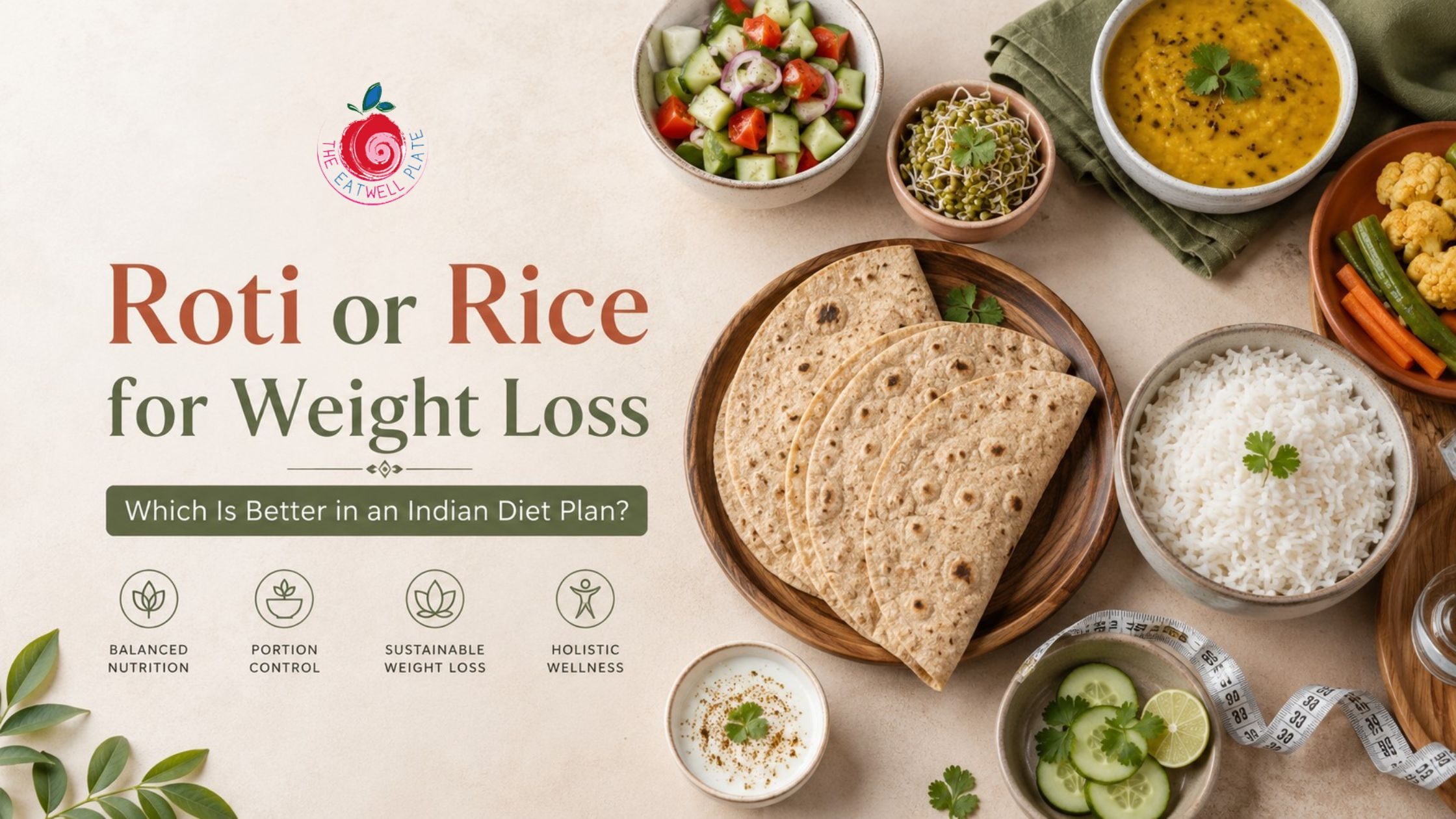
One of the most common questions people ask during their weight loss journey is whether they should eat roti or rice. Many believe that avoiding rice automatically leads to weight loss, while others think roti is always the healthier option. The truth is more nuanced. In a well-structured Indian Diet Plan For Weight Loss, both roti and rice can have a place depending on your calorie needs, activity level, health goals, and portion sizes.
Quick answer: Is Roti or Rice Better for Weight Loss?
Neither roti nor rice is inherently better for losing weight. Successful weight loss depends entirely on your overall calorie balance and strict portion control. Both of these staple foods can fit perfectly into a healthy eating pattern. However, because individual metabolism and health conditions vary, following a personalized Indian Diet Plan For Weight Loss can produce more sustainable results than relying on generic internet advice.
Understanding Weight Loss and Calorie Balance
Weight loss fundamentally relies on energy balance. You must consume fewer calories than your body uses to create a calorie deficit diet. Neither roti nor rice possesses magical fat-burning properties. They both provide carbohydrates, which serve as your body’s primary energy source.
When you consume carbohydrates, your body breaks them down into glucose. If you eat more glucose than you burn, your body stores the excess as fat. Therefore, a balanced meal plan focuses on managing total daily calories rather than demonizing specific food groups.
Nutritional Comparison: Roti vs Rice
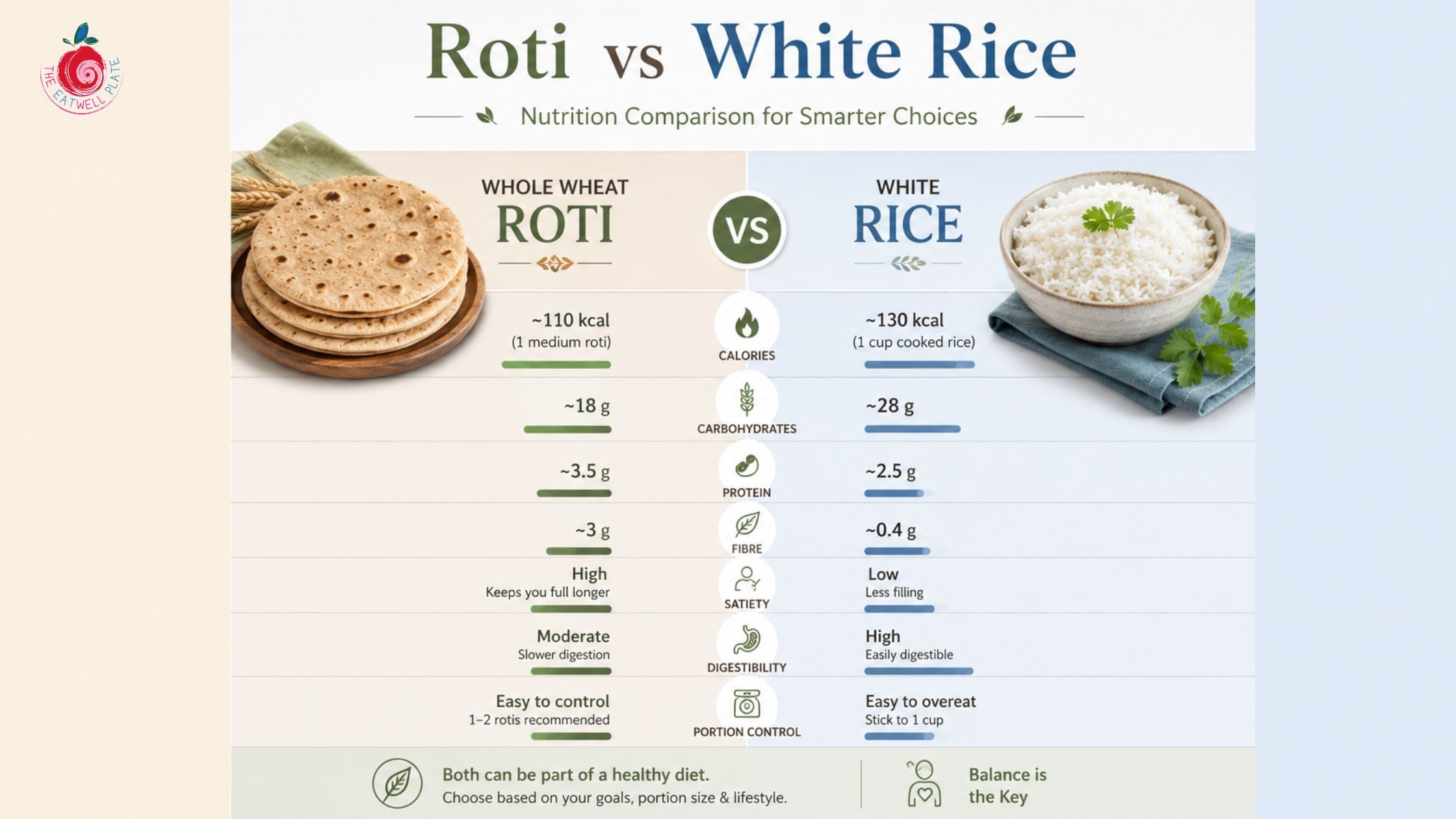
To make informed choices, you need to understand the nutritional differences between these two staples. Both offer distinct benefits for a healthy Indian diet.
Table 1: Nutrient Comparison (Per Standard Serving)
| Nutrient Comparison | Whole Wheat Roti (1 medium) | White Rice (1 small bowl/100g cooked) |
| Calories | Approx. 70-80 kcal | Approx. 120-130 kcal |
| Carbohydrates | 15g | 28g |
| Protein | 3g | 2.5g |
| Fibre | 2g | 0.5g |
| Satiety | High (takes longer to digest) | Lower (digests quickly) |
| Portion Control | Easier (countable units) | Harder (easy to over-serve) |
| Digestibility | Slower digestion | Faster digestion |
The Biggest Myth About Rice and Weight Gain
The biggest myth in weight management nutrition is that eating rice directly causes weight gain. Rice alone does not make you gain weight. Consuming more calories than you burn causes weight gain.
Many people overeat rice simply because it digests quickly and tastes light. When you pair a mountain of rice with high-calorie curries, the total calorie intake skyrockets. Your lifestyle directly affects your results. A balanced eating pattern that pairs a controlled portion of rice with plenty of vegetables and lean protein supports a diet plan for fat loss perfectly.
If you’re looking for practical meal ideas and portion guidance, our 7 Day Diet Plan for Weight Loss can help you include rice in a balanced and sustainable way.
Why Portion Size Matters More Than Food Choice
Portion size dictates weight loss success more than the specific carbohydrate you choose. You can easily gain weight while eating exclusively healthy foods if you ignore portion control.
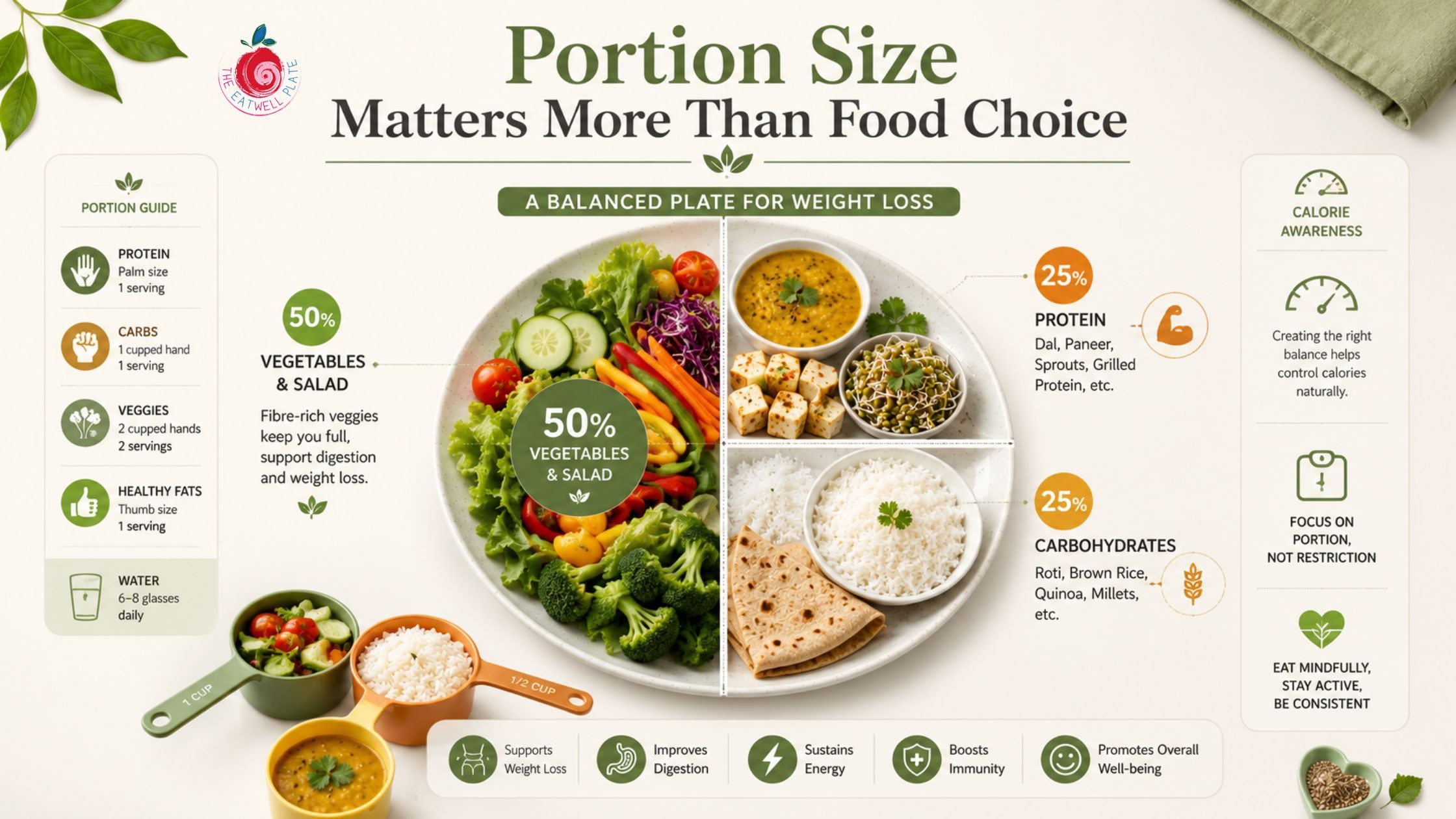
Eating four rotis at dinner might provide more calories than eating a small, measured bowl of rice. A successful weight management diet requires you to measure your food. Use smaller plates, measure your rice before eating, and count your rotis to ensure you stay within your specific caloric limits.
Which Is Better for Different Weight Loss Goals?
Your choice between these carbohydrates should align with your specific lifestyle and health conditions.
Table 2: Weight Loss Goal and Recommendations
| Weight Loss Goal | Recommended Consideration |
| Fat Loss | Both work well when portions are strictly controlled. |
| Portion Control | Roti is often easier since you can count exact pieces. |
| Active Lifestyle | Rice provides quick energy for pre- or post-workout recovery. |
| Sedentary Lifestyle | Roti keeps you full longer, reducing the urge to snack. |
| Diabetes Management | Whole wheat roti offers a lower glycemic index than white rice. |
| Long-Term Weight Maintenance | Choose the one you genuinely prefer to ensure consistency. |
How Roti Fits Into an Indian Diet Plan For Weight Loss
Whole wheat roti is an excellent addition to your daily meals. Because it contains dietary fibre, it digests slowly. This slow digestion prevents sudden blood sugar spikes and keeps you feeling full for a longer duration.
When you incorporate roti into your meals, pair it with protein-rich dals, paneer, or lean meats. Add a generous serving of fibrous vegetables to create a filling, low-calorie plate. Avoid applying excessive amounts of ghee or butter, as these fats rapidly increase the calorie count of an otherwise healthy meal.
How Rice Fits Into an Indian Diet Plan For Weight Loss
You do not need to abandon rice to achieve your dream body. Rice offers excellent digestibility and provides immediate energy. It serves as a great option for people dealing with bloating or digestive issues.
To optimize rice for weight loss nutrition, practice plate portioning. Fill half your plate with vegetables, one quarter with a protein source, and the final quarter with rice. You can also explore complex carbohydrate alternatives like brown rice, which provides slightly more fibre and nutrients than white rice.
Common Mistakes People Make While Trying to Lose Weight
Many individuals struggle to lose weight because they ignore fundamental lifestyle factors. Use this checklist to identify potential roadblocks in your journey.
While factors like portion control, sleep, hydration, and physical activity are important for everyone, women often face additional challenges such as hormonal fluctuations, PCOS, thyroid disorders, and postpartum weight changes. In such cases, a dedicated Diet Plan for Weight Loss for Female may deliver better results than generic advice.
Weight Loss Success Checklist
- ✓ Portion sizes monitored
- ✓ Protein intake considered
- ✓ Daily physical activity maintained
- ✓ Sleep quality prioritized
- ✓ Stress managed effectively
- ✓ Hydration maintained
- ✓ Professional guidance considered
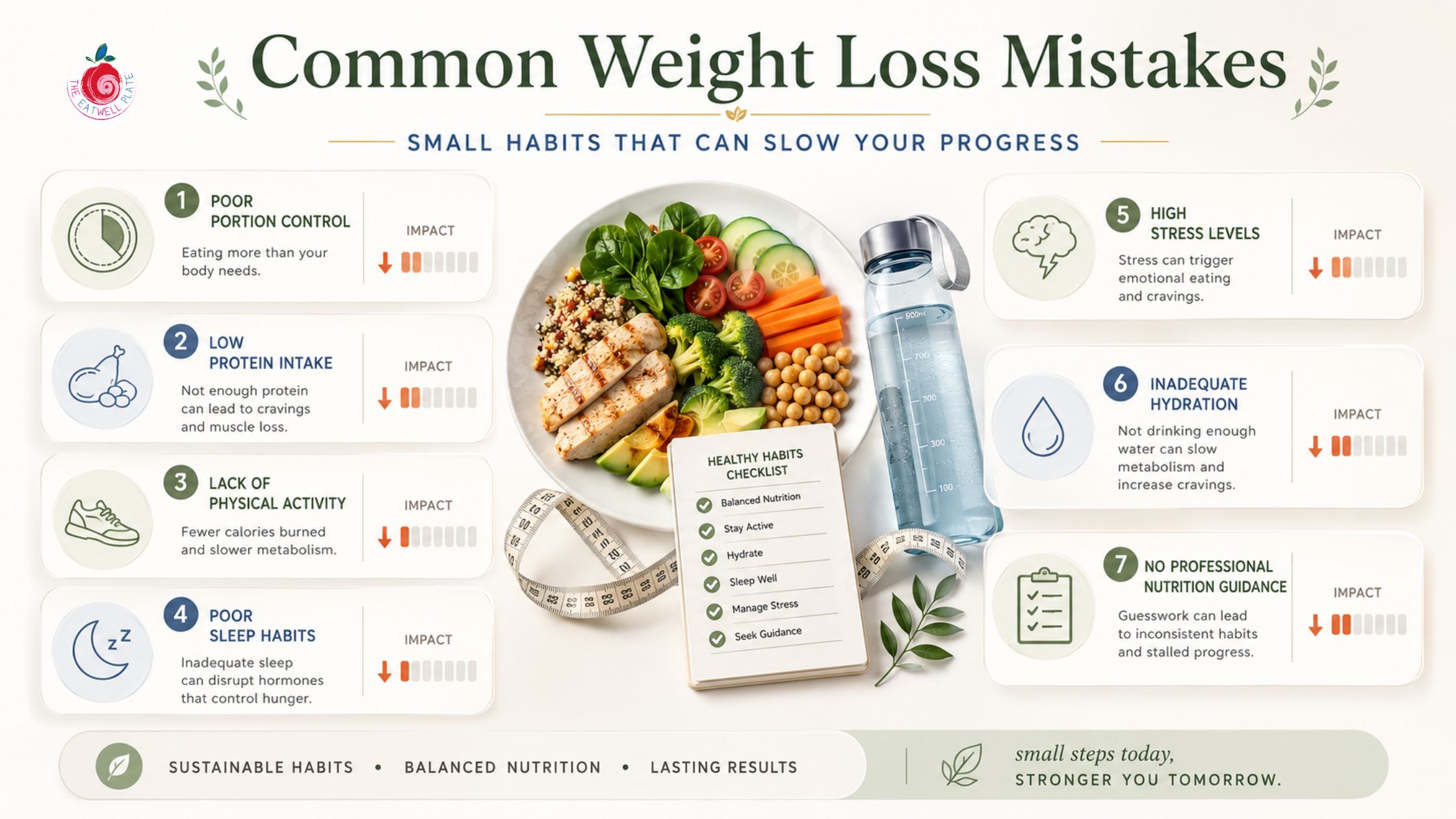
While many people focus on whether roti or rice is better for weight loss, long-term results depend on several factors beyond a single food choice. Daily calorie intake, physical activity, sleep quality, stress levels, and meal timing all play an important role. Many individuals searching for the Best Dietitian in Chandigarh are often surprised to learn that sustainable fat loss is not about eliminating rice or roti, but about creating a balanced diet plan that matches their lifestyle, health conditions, and weight loss goals.
Why Personalized Nutrition Matters More Than Generic Diet Plans
Following a random internet diet chart rarely leads to sustainable weight loss. Generic plans do not consider your unique medical history, daily schedule, or personal food preferences.
Your body requires a personalized diet plan tailored to your specific metabolism. Factors like age, gender, activity level, and underlying health conditions severely impact how your body processes food. A customized approach ensures you receive adequate nutrition while maintaining a safe calorie deficit. Professional guidance prevents nutrient deficiencies and metabolic slowdowns commonly associated with crash dieting.
Why Consult Dietician Sangeeta at The EatWell Plate?
Achieving sustainable fat loss requires expert guidance. Dietician Sangeeta at The EatWell Plate specializes in creating evidence-based, customized nutrition strategies. With years of experience, she helps clients achieve realistic and long-term results without extreme restrictions.
By choosing personalized nutrition guidance, you receive a comprehensive strategy designed specifically for your body. Dietician Sangeeta evaluates your complete health profile to design meals that fit seamlessly into your busy lifestyle. Do not rely on frustrating, generic advice when professional weight loss diet plan support is readily available.
Make the Right Choice for Your Health
The debate between roti and rice often distracts from what truly matters: balanced nutrition and consistent healthy habits. Both foods offer valuable nutrients and can absolutely fit into an effective Indian Diet Plan For Weight Loss. The real secret lies in understanding your body’s unique requirements, managing your portion sizes, and seeking professional advice.
Stop struggling with confusing internet diet charts and restrictive eating patterns. Contact The EatWell Plate – Best Dietician in Chandigarh today to start your customized weight loss journey. Get personalized nutrition guidance from Dietician Sangeeta and achieve the sustainable results you deserve.
Frequently Asked Questions (FAQs)
Q1. Does an Indian Diet Plan For Weight Loss require me to stop eating rice?
No, a well-planned Indian Diet Plan For Weight Loss does not require you to eliminate rice. You can safely consume rice by practicing strict portion control and pairing it with high-fiber vegetables and quality protein sources to maintain a calorie deficit.
Q2. Is it better to eat roti or rice at night for weight loss?
Neither food inherently causes weight gain at night. Your total daily calorie intake dictates fat loss. However, roti digests slower due to higher fiber content, which may keep you feeling full and prevent late-night snack cravings.
Q3. How many rotis should I eat daily to lose weight?
The exact number of rotis depends entirely on your height, weight, gender, and daily physical activity level. There is no universal number. You need a personalized nutrition assessment to determine the specific caloric targets required for your unique body.
Q4. Why am I not losing weight despite eating healthy Indian food?
You can easily gain weight eating healthy food if you consume too many calories. Foods like nuts, ghee, and large portions of rice or roti are healthy but calorie-dense. Accurate portion control and personalized professional guidance are essential for consistent progress.