
Quick Answer: The best time to drink Apple Cider Vinegar for gut health is typically before meals, diluted in water. Morning consumption on an empty stomach is also common, though it may not suit everyone. Timing matters, but so does consistency, dilution, and individual tolerance. For lasting results, ACV works best as part of a personalised Gut Health Diet Plan.
Apple Cider Vinegar has become a popular natural ingredient among people looking to support digestion and improve overall wellness. From morning routines to pre-meal rituals, many health-conscious individuals are adding ACV to their daily habits. However, choosing the right time, quantity, and method of consumption plays an important role in how well your body responds.
While ACV may offer some digestive benefits, it works best when combined with a balanced, gut-friendly lifestyle. A personalised Gut Health Diet Plan remains essential for achieving long-term digestive wellness—because no single ingredient can do the work that a well-structured nutrition approach can.
This blog covers everything you need to know about Apple Cider Vinegar for gut health: when to take it, how much is safe, who should avoid it, and why expert nutrition guidance matters more than any wellness trend.
What Is Apple Cider Vinegar and How Does It Relate to Gut Health?
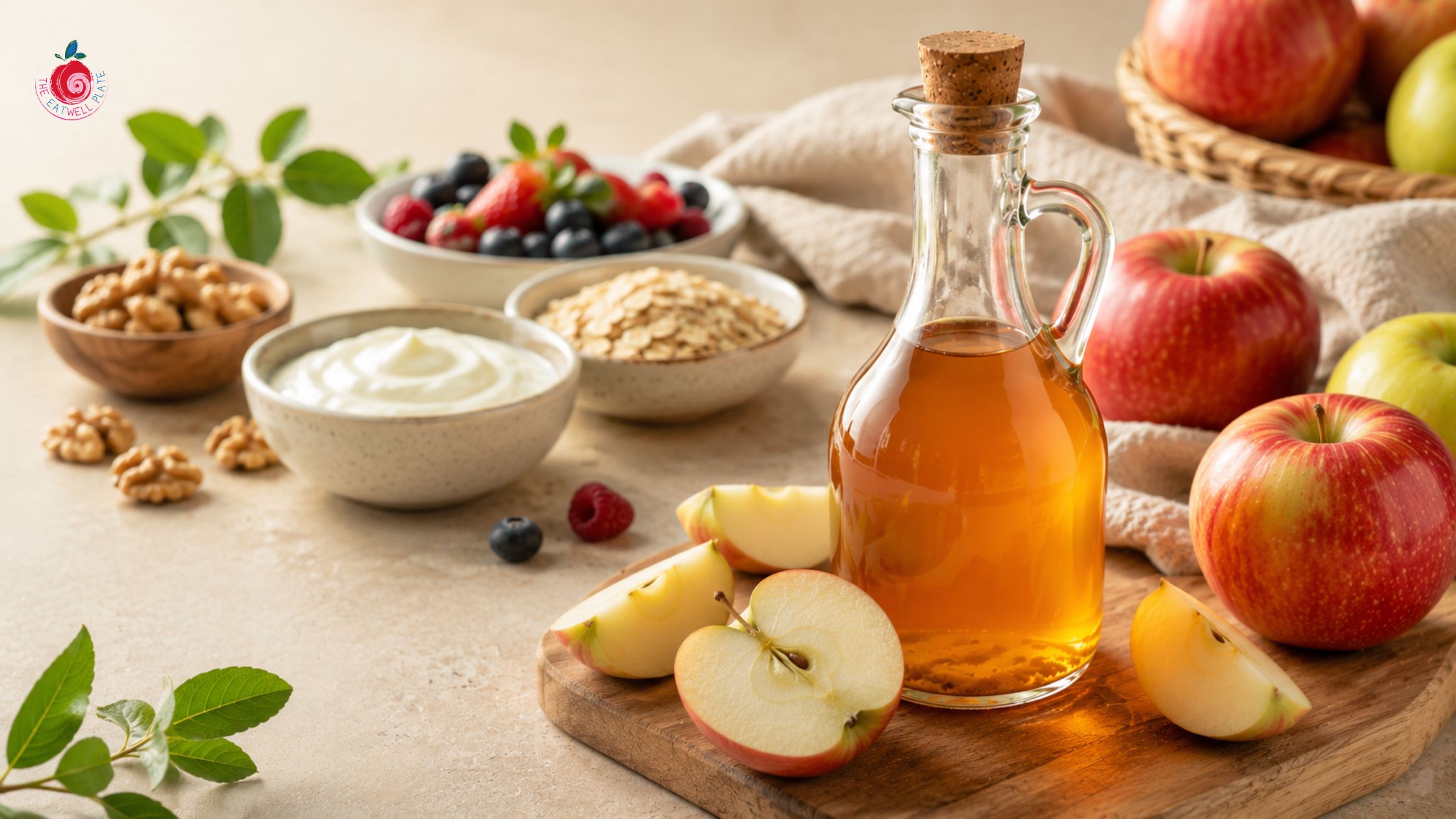
Apple Cider Vinegar is made through the fermentation of crushed apples. The process produces acetic acid, which gives ACV its sharp, tangy taste and is believed to be the source of most of its commonly discussed health properties.
Raw, unfiltered ACV also contains a substance known as “the mother”—a cloudy mix of proteins, enzymes, and beneficial bacteria. This is the form most often recommended for digestive purposes, as it may support a healthy gut microbiome.
People consume ACV for a range of reasons, including managing blood sugar levels, supporting digestion, and promoting a healthy lifestyle. However, it is important to understand that ACV is a supportive addition to a diet—not a treatment for any medical condition.
Healthy digestion depends on consistent food choices, adequate fibre intake, hydration, sleep, and stress management. ACV alone cannot replace the role of balanced nutrition in maintaining a healthy gut microbiome and long-term digestive wellness.
What Is the Best Time to Drink Apple Cider Vinegar for Gut Health?
Timing your ACV intake thoughtfully can make a difference in how your body responds. Different timings serve different purposes, and individual tolerance plays a significant role.
| ACV Timing | Key Consideration |
| Empty Stomach (Morning) | May not suit people with sensitive digestion |
| Before Meals | Some people find it easier on digestion when taken before eating |
| After Meals | Can be gentler for certain individuals |
| Any Time of Day | Consistency and dilution matter most |
Morning: Many people prefer taking ACV first thing in the morning, mixed with warm water. This routine is believed to help kickstart digestion for the day ahead. However, some people experience stomach discomfort when consuming acidic substances before eating anything.
Before Meals: Taking diluted ACV about 20–30 minutes before a meal is a common practice. Some individuals find this timing supports digestive comfort and may help the body prepare for food intake.
After Meals: For those with sensitive stomachs, consuming ACV after eating may feel more comfortable. This approach reduces the risk of irritation that can come from an empty stomach.
Consistency Over Timing: Across all approaches, consistency and proper dilution are more important than the exact time you choose. Listen to your body and adjust accordingly.
Should Apple Cider Vinegar Be Taken on an Empty Stomach?
This is one of the most commonly searched questions about ACV, and the answer depends largely on the individual.
Some people take ACV on an empty stomach in the morning, believing it helps with digestion and gut health throughout the day. When diluted properly in water, this may be well-tolerated by those with a healthy digestive system.
However, consuming ACV on an empty stomach can cause discomfort for people with sensitive digestion, acid reflux, or gastritis. The acidity of ACV may aggravate these conditions if taken without food to buffer it.
The general guidance is to start with a small, well-diluted amount and observe how your body responds. If you experience burning, nausea, or discomfort, it is advisable to take ACV with or after a meal instead—or discontinue use and consult a healthcare professional.
Apple Cider Vinegar Before Meals vs After Meals: Which Timing Works Better?
Both timings have their advocates, and neither is universally superior. The right choice depends on individual digestive health and personal tolerance.
Before meals: Some people find that taking diluted ACV before eating helps prepare the digestive system. It is often described as a way to prime the stomach ahead of a meal, particularly for those who experience sluggish digestion.
After meals: For individuals who are prone to acid reflux or find ACV too strong on an empty stomach, taking it after eating can be a more comfortable option. The presence of food may help reduce the direct impact of ACV’s acidity on the stomach lining.
The key factor is not which option is objectively better, but which one your body tolerates best. Digestive health is highly individual, and what works well for one person may not work for another.
How Much Apple Cider Vinegar Is Safe to Consume Daily?
Dosage is just as important as timing. Consuming too much ACV can do more harm than good, particularly for your digestive health and tooth enamel.
| Factor | Why It Matters |
| Quantity | Prevents excessive intake and related side effects |
| Dilution | Protects digestive comfort and tooth enamel |
| Individual Health | Different bodies respond differently to ACV |
| Balanced Diet | Supports long-term gut wellness effectively |
General safe usage guidance suggests one to two teaspoons (5–10 ml) diluted in a large glass of water per day. Some adults may gradually increase to one tablespoon (15 ml), but exceeding this amount is not recommended without professional guidance.
Always dilute ACV. Consuming it undiluted can damage tooth enamel and irritate the oesophagus and stomach lining. Drinking through a straw and rinsing your mouth with water afterwards can also help protect your teeth.
More ACV does not lead to better results. Higher doses can disrupt potassium levels and interact with certain medications. Moderation and safe ACV intake are key principles here.

Who Should Avoid Apple Cider Vinegar?
ACV is not suitable for everyone. Certain individuals should exercise caution or avoid it altogether.
- People with acid reflux or GERD: ACV can worsen symptoms of gastroesophageal reflux disease by increasing stomach acidity.
- Individuals with gastritis or peptic ulcers: The acidity may irritate an already inflamed stomach lining.
- People taking specific medications: ACV may interact with diuretics, insulin, and certain heart medications. Consult your doctor if you are on any prescription medicines.
- Those with sensitive or compromised digestion: If you experience frequent digestive discomfort, introducing an acidic substance without medical guidance is inadvisable.
- Pregnant or breastfeeding individuals: Limited evidence is available on ACV safety during pregnancy, so professional advice is essential.
If any of the above apply to you, speak with a healthcare professional before adding ACV to your routine.
Can Apple Cider Vinegar Alone Improve Gut Health?
This is where honest, evidence-based communication matters most. ACV is not a cure-all for digestive issues, and relying on it alone will not produce meaningful or sustainable gut health results.
A genuinely healthy gut depends on a combination of factors. Fibre-rich foods such as vegetables, legumes, and whole grains nourish gut bacteria and support regular digestion. Fermented foods like yoghurt, idli, and kanji introduce beneficial bacteria to the gut microbiome. Adequate hydration, quality sleep, stress management, and regular physical activity all contribute significantly to digestive wellness.

ACV may complement these habits as a small addition to your routine. However, it functions as one small piece of a much larger picture. Improving gut health naturally requires a structured and consistent approach—one that is built around gut-friendly foods and lifestyle habits tailored to your specific needs.
For practical, expert-backed strategies, exploring a personalised gut health consultation with a qualified nutritionist is far more effective than any single ingredient.
Why a Personalised Gut Health Diet Plan Matters More Than ACV Timing
Every person’s digestive system is different. Two people can follow the same ACV routine and experience completely different results—because individual food tolerances, gut microbiome composition, stress levels, sleep quality, and medical history all influence how the gut responds.
A personalised Gut Health Diet Plan accounts for these differences. Rather than applying a generic approach, a structured plan designed around your specific health condition, lifestyle, and goals provides targeted support for digestive wellness.
Professional nutrition guidance also helps identify foods that may be triggering inflammation or discomfort, without the guesswork that comes from self-experimenting with trends. A nutritionist can build a sustainable, practical eating pattern that nourishes your gut microbiome over the long term.
ACV can be a part of that plan—but it should never be the plan itself.
Why Choose The EatWell Plate for Gut Health Guidance?
The EatWell Plate – Best Dietitian in Chandigarh is a trusted nutrition consultation platform specialising in evidence-based, personalised dietary support for digestive health. With over 12 years of experience and more than 10,000 satisfied clients, the team brings deep expertise in gut health, digestive wellness, and lifestyle-based nutrition.
Here is what sets The EatWell Plate apart:
- Root-cause approach: Rather than addressing symptoms in isolation, consultations begin with a thorough assessment of digestion, food habits, stress, sleep, and medical history.
- Personalised gut-friendly plans: Each client receives a customised plan that includes gut-healing foods, anti-inflammatory combinations, and probiotic-rich Indian home-style meals.
- Food intolerance identification: The team guides clients through identifying and eliminating dietary triggers safely, and reintroducing foods in a structured manner.
- Lifestyle and mind-gut support: Recognising the connection between stress, sleep, and digestion, The EatWell Plate offers holistic guidance beyond just diet.
- Online consultations across India: Clients across the country can access personalised gut health nutrition guidance from the comfort of their homes.
Their 4.9-star rating reflects a consistent track record of real outcomes—reduced bloating, improved digestion, better energy, and sustainable lifestyle changes.
Connect With The EatWell Plate for Personalised Support
For those in Chandigarh and across India seeking trustworthy, expert-led nutrition support, The EatWell Plate – Best Dietitian in Chandigarh has built a strong reputation for delivering personalised care with measurable results. Known as a leading resource for those seeking the Best Dietitian in Chandigarh, the platform combines clinical expertise with a practical, client-centred approach. Consultation availability extends online, making professional gut health nutrition guidance accessible to individuals regardless of location. Clients consistently highlight the approachable, structured experience and the meaningful improvements they achieve in their digestive health and overall well-being.
Building a Gut-Friendly Future: Your Next Step
Apple Cider Vinegar can be a helpful addition to a health-conscious routine—but it is no substitute for a well-designed, personalised nutrition strategy. Timing it correctly, diluting it properly, and understanding your own body’s tolerance are all important. What matters even more, however, is the foundation you build around it.
Long-term gut health comes from consistent, evidence-based choices: a diet rich in fibre and gut-friendly foods, a lifestyle that supports your gut microbiome, and guidance tailored to your individual needs. A customised Gut Health Diet Plan can provide that foundation—addressing the root causes of digestive discomfort rather than offering a temporary fix.
If you are ready to take a structured, expert-guided approach to your digestive wellness, The EatWell Plate is here to support you.
Frequently Asked Questions (FAQs)
Q1. What is the best time to drink Apple Cider Vinegar for gut health?
The most commonly recommended time is before meals, diluted in water. Morning consumption is also popular, though individual tolerance varies. Consistency and proper dilution are more important than the exact timing you choose.
Q2. How much Apple Cider Vinegar should I drink each day?
Start with one teaspoon (5 ml) diluted in a large glass of water per day. You may gradually increase to one tablespoon (15 ml) if well-tolerated. Always dilute ACV and avoid exceeding recommended amounts without professional guidance.
Q3. Can a Gut Health Diet Plan help with bloating and acidity?
Yes. A personalised Gut Health Diet Plan addresses the root causes of bloating and acidity by identifying dietary triggers, improving fibre intake, and incorporating gut-friendly foods that support a healthy digestive system over time.
Q4. Who should avoid taking Apple Cider Vinegar?
People with acid reflux, gastritis, peptic ulcers, or those taking certain medications should avoid ACV or consult a healthcare professional first. Pregnant or breastfeeding individuals should also seek medical advice before consuming ACV regularly.
Improve Your Gut Health with Expert Nutrition Guidance
Ready to go beyond wellness trends and build a gut health plan that truly works for you?
Contact The EatWell Plate today for a personalised Gut Health Diet Plan designed around your lifestyle, digestive needs, and long-term wellness goals. Expert guidance is available online across India and in person in Chandigarh.