


Most people searching for a diet plan for weight loss expect a strict chart full of foods they don’t usually eat. However, a diet plan that ignores daily routines, festivals, and family meals rarely lasts beyond a few weeks. Real weight management depends on practical changes that fit into everyday Indian life, not on temporary restrictions.
This blog explains what actually makes a diet plan for weight loss work for Indian households, offices, and lifestyles. You’ll learn how traditional food habits can support healthy eating, why portion control matters more than elimination, and how small lifestyle shifts create lasting results. If you’ve tried and abandoned diets before, these insights can help you understand why — and what to do differently.
Why Most Diet Plans Fail in an Indian Context
Many popular diet plans are designed around Western eating patterns, ingredients, and meal timings. They often ask people to avoid rice, roti, or ghee entirely, which can feel unnatural for someone raised on home-cooked thalis.
As a result, these plans create short-term discipline followed by long-term frustration. A diet plan for weight loss only works when it respects the foods people already eat and adjusts quantities and combinations rather than banning entire food groups.
Therefore, the most effective approach doesn’t ask you to abandon dal-chawal or paratha. Instead, it teaches you how to balance these foods with vegetables, proteins, and mindful portions.
Understanding Everyday Indian Food Habits
Indian meals are naturally built around variety — grains, lentils, vegetables, and dairy often appear in a single thali. This structure already offers a foundation for balanced nutrition.
For example, a typical meal of roti, dal, sabzi, and curd provides carbohydrates, protein, fiber, and probiotics together. The challenge usually isn’t the food itself but the quantity, cooking oil used, and frequency of fried snacks or sugary beverages.
A sustainable diet plan for weight loss works with these existing habits. It focuses on:
- Reducing excess oil and ghee without eliminating them completely
- Increasing vegetable and protein portions relative to refined carbohydrates
- Limiting fried snacks to occasional treats rather than daily habits
- Choosing whole grains like millets or brown rice alongside traditional staples
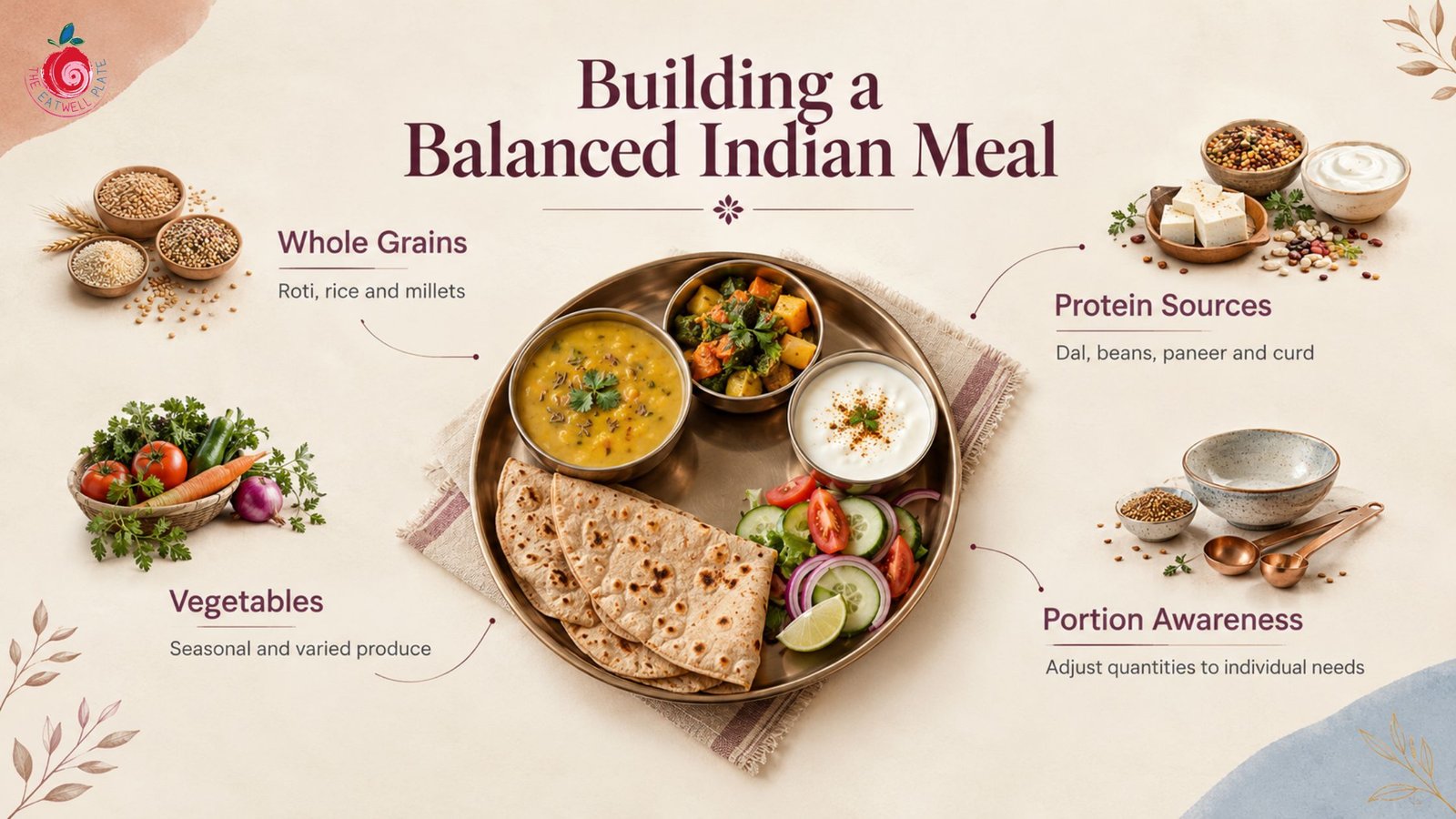
These adjustments feel achievable because they build on familiar meals rather than replacing them.
Balancing Home-Cooked Meals With Nutrition Needs
Home-cooked food is often healthier than packaged or restaurant meals because you control the ingredients. However, many households unknowingly use excess oil, sugar, or salt out of habit.
A practical diet plan for weight loss encourages small adjustments in cooking methods rather than a complete overhaul. For instance, steaming or grilling instead of deep-frying, or using measured oil instead of pouring freely, can reduce calorie intake significantly without changing the taste families are used to.
In addition, including more seasonal vegetables and pulses in daily cooking naturally improves nutrient density. This approach respects cultural food preferences while supporting weight management goals.
Portion Control for Weight Management, Not Food Elimination
One of the most practical principles for Indians is portion control for weight management. Rather than cutting out rice or roti, reducing the serving size while adding more vegetables and protein to the plate creates a more balanced meal.
This method works well because it doesn’t trigger the feeling of deprivation that often leads to binge eating later. A diet plan for weight loss built on portion awareness is easier to sustain because it allows flexibility during family meals, festivals, and social occasions.
Simple habits that support portion control include:
- Using a smaller plate to naturally reduce serving sizes
- Filling half the plate with vegetables before adding grains
- Eating slowly to recognize fullness cues
- Avoiding second helpings during heavy meals
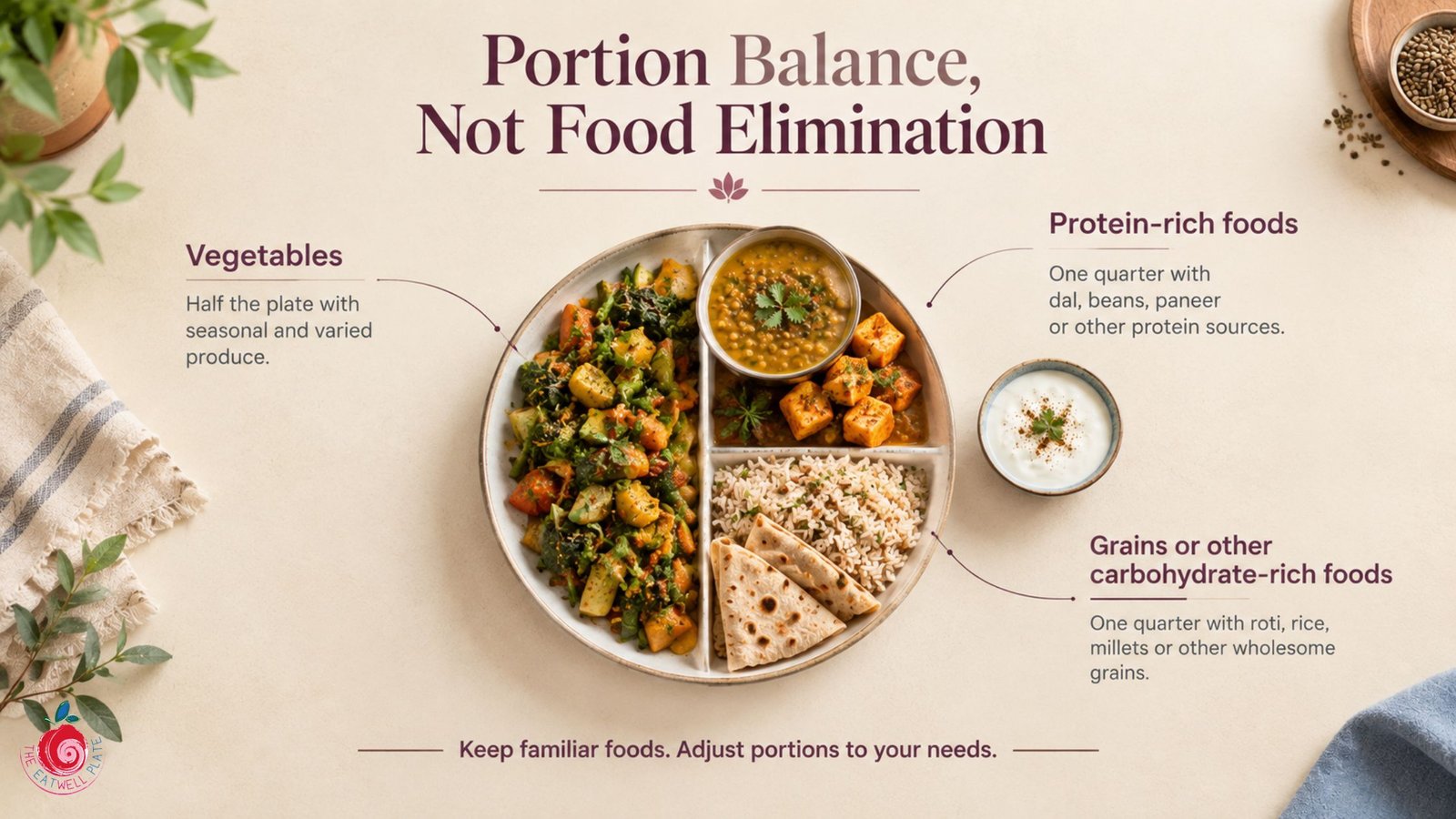
These small changes add up over time without requiring strict calorie counting for every meal.
Weight Loss for Working Professionals: Managing Busy Schedules
Weight loss for working professionals comes with unique challenges — long hours, canteen food, late dinners, and limited time for meal preparation. However, a few consistent habits can make a significant difference even with a packed schedule.
Carrying homemade snacks like roasted chana, nuts, or fruit can prevent unhealthy vending machine choices. Similarly, planning simple meals in advance, such as pre-cooked dals or grilled proteins, saves time while keeping nutrition on track.
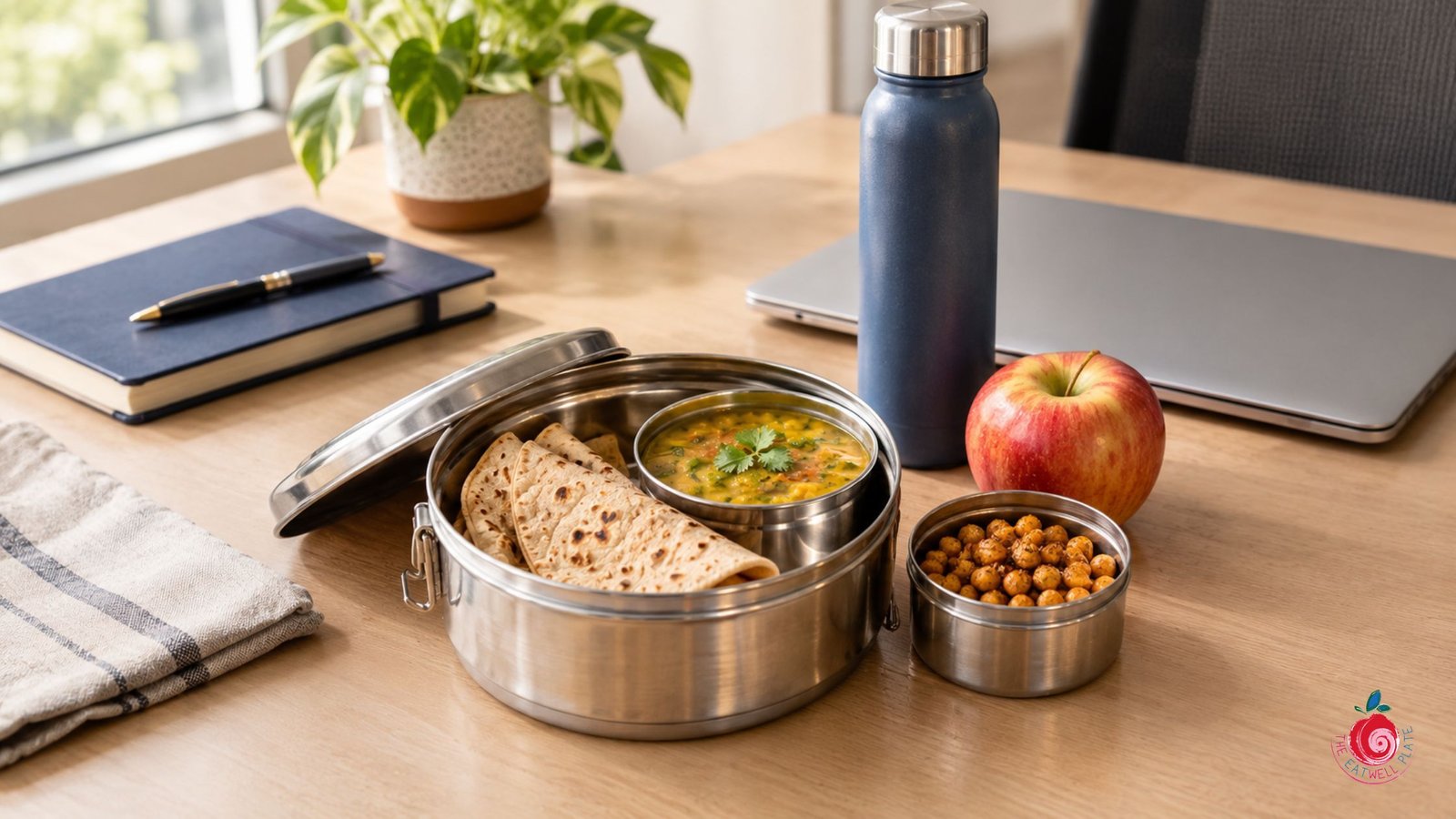
Most importantly, working professionals should avoid skipping meals to “save calories.” This often backfires by causing overeating later in the day. A diet plan for weight loss that includes regular, balanced meals supports better energy levels and reduces impulsive food choices during stressful workdays.
Managing Festivals and Family Gatherings Without Guilt
Festivals and family celebrations are a significant part of Indian life, and avoiding them entirely isn’t realistic or necessary. Instead, a practical approach focuses on moderation and balance around these occasions.
For example, enjoying a small portion of sweets during Diwali or a festive meal during a wedding doesn’t undo overall progress if daily habits remain consistent most of the time. The key is returning to regular eating patterns soon after rather than extending indulgence for days.
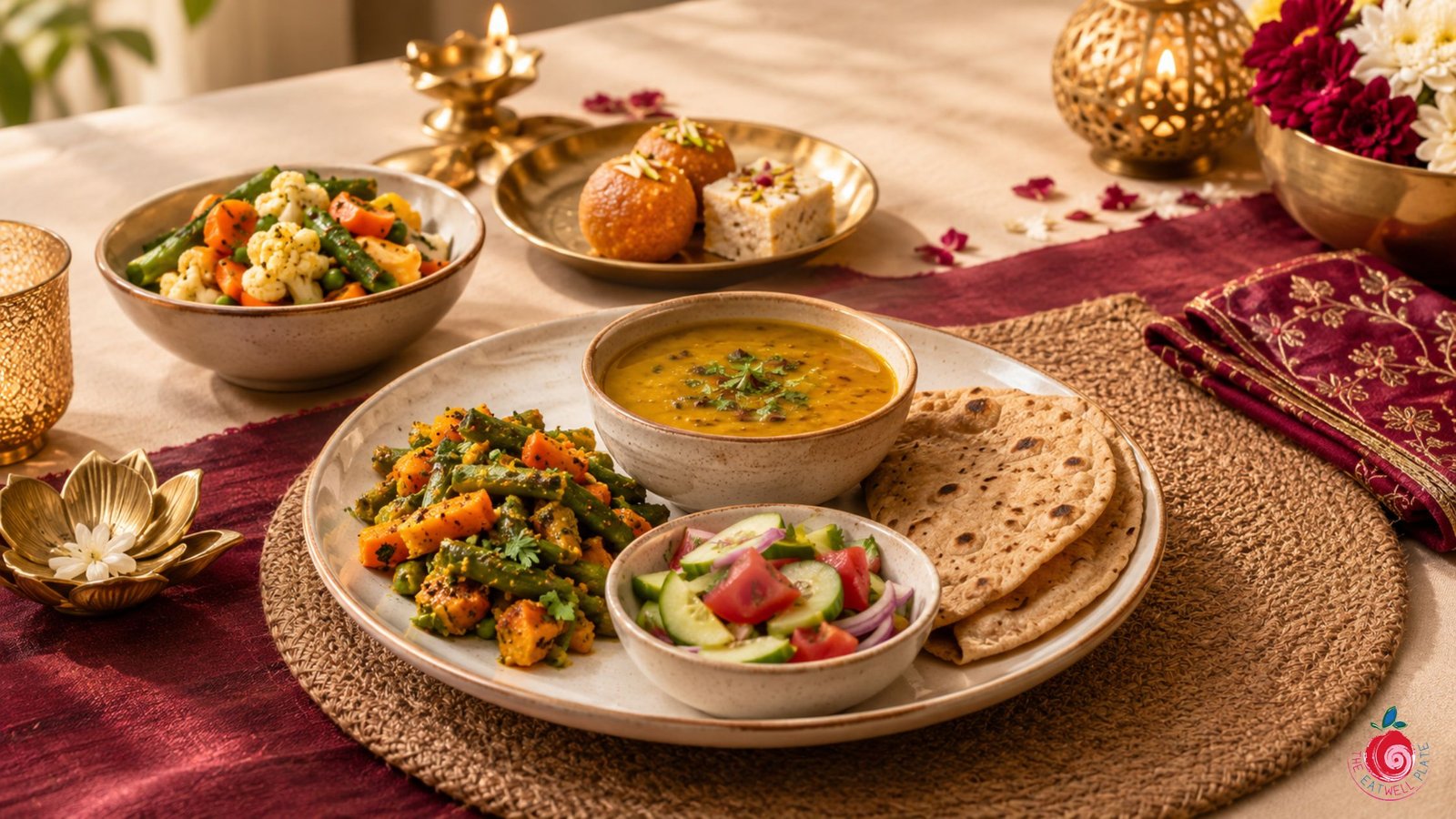
This mindset removes the guilt often associated with dieting and makes long-term adherence more achievable. A diet plan for weight loss should allow room for celebration, not eliminate it.
The Role of Physical Activity, Sleep, Hydration, and Consistency
Food choices are only one part of sustainable weight management. Physical activity, adequate sleep, hydration, and consistency all influence how effectively the body manages weight.
Regular movement, even simple activities like walking for 30 minutes daily, supports metabolism and overall health. Similarly, poor sleep is linked to increased hunger hormones, which can lead to overeating. Staying hydrated throughout the day also helps distinguish true hunger from thirst, reducing unnecessary snacking.
Consistency matters more than perfection. A diet plan for weight loss that’s followed moderately well most days tends to produce better long-term results than a strict plan followed briefly and then abandoned.
Common Mistakes That Make Weight Management Difficult
Several common mistakes often derail weight loss efforts, even with good intentions. Recognizing these patterns can help readers avoid repeating them.
- Skipping meals, which often leads to overeating later
- Relying on fad diets that exclude entire food groups
- Ignoring portion sizes while focusing only on “healthy” labels
- Expecting rapid results and losing motivation when progress is gradual
- Following generic diet charts that don’t match individual needs or health conditions
Avoiding these mistakes requires patience and a realistic understanding of how sustainable weight management actually works.
Why Individual Nutritional Needs and Health Conditions Matter
No single diet plan for weight loss works identically for everyone. Factors such as age, activity level, metabolism, existing health conditions, and food preferences all influence what’s effective for a specific person.
For instance, someone managing diabetes requires different carbohydrate guidance than someone focused purely on weight loss. Similarly, a homemaker’s daily routine differs significantly from that of a traveling sales professional, which affects meal timing and food availability.
Therefore, personalized weight loss guidance tends to produce better outcomes than generic, one-size-fits-all diet plans. Professional nutrition support can help identify what specifically works for an individual’s body, lifestyle, and health history.
Unrealistic Habits vs. Sustainable Alternatives
The table below compares common unrealistic weight loss habits with more practical alternatives suited to Indian lifestyles.
| Unrealistic Habit | Sustainable Alternative |
| Completely avoiding rice or roti | Reducing portion size while adding more vegetables and protein |
| Skipping meals to cut calories | Eating balanced meals at consistent times |
| Following extreme fad diets | Making gradual, realistic adjustments to existing meals |
| Avoiding all festival foods | Enjoying small portions mindfully during celebrations |
| Relying on generic diet charts | Seeking personalized weight loss guidance based on individual needs |
| Ignoring oil and ghee quantities | Measuring oil and reducing excess frying gradually |
This comparison highlights how small, realistic shifts often sustain better results than extreme restrictions.
How The EatWell Plate Supports Practical Weight Management
Understanding these principles is a strong starting point, but applying them consistently can be challenging without guidance. This is where The EatWell Plate can help.
The EatWell Plate offers personalized weight loss guidance tailored to individual food preferences, routines, and health needs. Rather than imposing a generic diet plan for weight loss, the approach focuses on helping people build sustainable eating habits suited to their own lifestyle — whether that means adjusting home-cooked meals, managing office-hour eating, or navigating festive occasions. You can learn more about this approach at The EatWell Plate’s weight loss services.
If you’re looking for professional support in developing a realistic and personalized approach to weight management, exploring The EatWell Plate’s services may be a helpful next step.
For those researching professional nutrition support in the region, The EatWell Plate’s Google Business Profile offers additional information about its services, business details, and contact options. People searching for the Best Dietitian in Chandigarh can explore this profile to learn more about how The EatWell Plate approaches personalized nutrition guidance before reaching out directly.
Frequently Asked Questions
Q1. What makes a weight loss approach practical for Indian lifestyles?
A practical approach works with existing food habits rather than against them. It focuses on portion control, balanced home-cooked meals, and gradual lifestyle changes instead of eliminating traditional foods or following rigid diet charts.
Q2. Can traditional Indian foods support healthy weight management?
Yes. Traditional meals like dal, roti, vegetables, and curd already offer balanced nutrition. Adjusting portion sizes, oil quantity, and meal frequency often matters more than avoiding these foods altogether.
Q3. How can busy professionals maintain healthy eating habits?
Working professionals can plan simple meals in advance, carry healthy snacks, and avoid skipping meals. Consistent eating patterns throughout the workday help prevent overeating later and support steadier energy levels.
Q4. Why should weight management advice be personalized?
Individual factors like activity level, health conditions, and daily routines affect what works best for each person. Personalized guidance accounts for these differences, making it more effective than generic, one-size-fits-all diet plans.
Take the Next Step Toward Sustainable Weight Management
Building a practical diet plan for weight loss doesn’t mean giving up the foods you love or following an impossible routine. It means understanding your own habits, making realistic adjustments, and staying consistent over time.
If you’re ready for guidance tailored to your lifestyle, health needs, and food preferences, The EatWell Plate can help you take that next step. Visit The EatWell Plate’s weight loss page to learn more about personalized nutrition support designed around your everyday life.