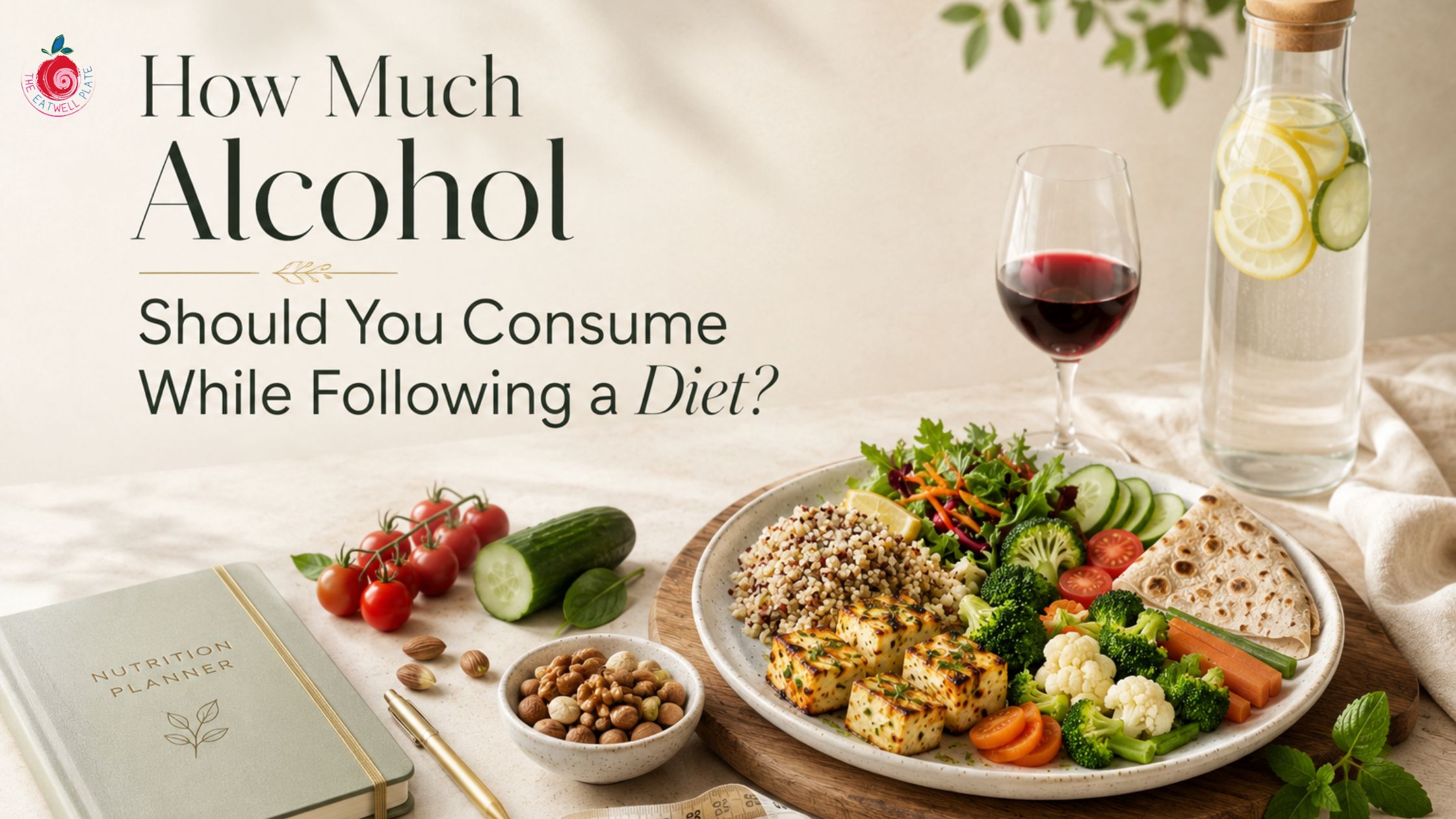
There is no single alcohol limit that works for everyone on a weight-loss diet. Alcohol adds empty calories, slows fat burning, disrupts sleep, and increases appetite—all of which can stall weight loss. Because individual health conditions, metabolism, and goals vary widely, the safest approach is personalized guidance from a qualified dietitian.
Many people trying to lose weight wonder whether they have to give up alcohol completely. While occasional drinking may fit into some lifestyles, alcohol can influence calorie intake, metabolism, appetite, sleep quality, and fat loss. Understanding the impact of alcohol while following a diet helps you make healthier choices without compromising your long-term weight-loss goals.
The reality is there is no one-size-fits-all answer. Your body composition, activity level, medical history, and dietary habits all play a role in how alcohol affects your progress. Rather than following generic rules, learning how alcohol interacts with your body is the first step toward making smarter, more informed decisions on your healthy weight loss journey.
This blog breaks down exactly what happens when you drink while dieting—and how to protect your fat loss goals in the process.
How Does Alcohol Affect Weight Loss?
Alcohol is processed differently from food. When you consume it, your body treats alcohol as a toxin and prioritizes breaking it down over everything else—including burning fat.
This means fat metabolism slows significantly while your liver works to clear the alcohol from your system. The longer this process takes, the longer your body stays out of fat-burning mode. For anyone working toward a calorie deficit, this is a significant setback.
Beyond fat burning, alcohol also disrupts hormones that regulate hunger and fullness. Ghrelin (the hunger hormone) rises, leptin (the fullness hormone) drops, and suddenly that late-night snack seems much harder to resist.
The Hidden Calories Most Dieters Ignore
One of the most overlooked aspects of alcohol while following a diet is its calorie content. Alcohol contains 7 calories per gram—more than carbohydrates (4 cal/g) and protein (4 cal/g), though less than fat (9 cal/g).
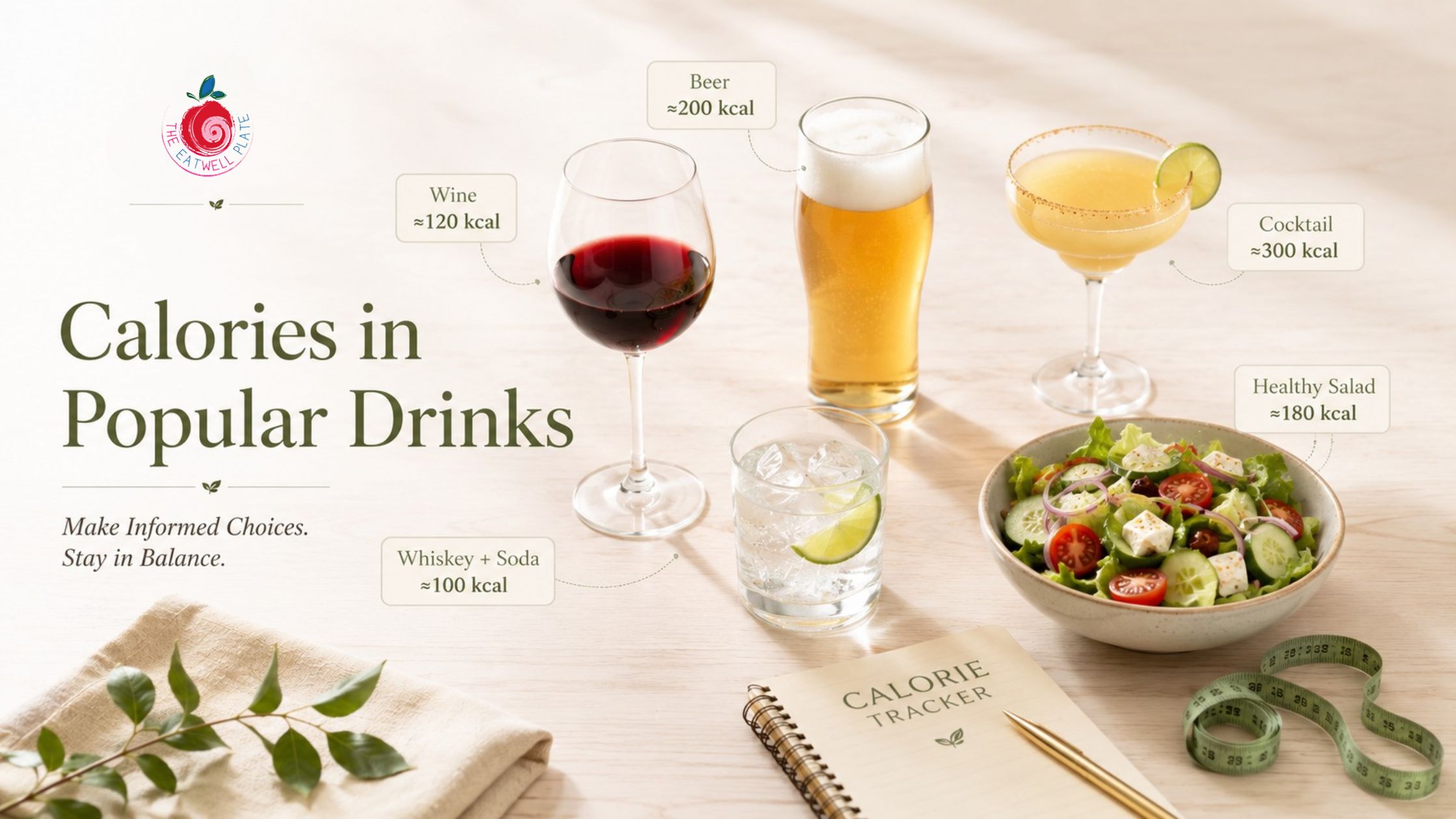
A single glass of wine can carry 120–150 calories. A pint of beer may add 200 or more. Sugary cocktails can easily exceed 300 calories per drink. These are calories that offer almost no nutritional value—no fiber, no vitamins, no minerals—yet they pile onto your daily intake quietly.
For those following a weight loss diet or tracking a diet chart for weight loss, these hidden calories can easily push you out of a calorie deficit without you realizing it.
| Alcohol Habit | Possible Impact on Weight Loss |
| Frequent Drinking | Higher Calorie Intake |
| Sugary Cocktails | Increased Sugar Consumption |
| Late-Night Drinking | Poor Sleep Quality |
| Drinking on an Empty Stomach | Increased Appetite |
| Excessive Drinking | Reduced Fat Burning |
| Moderate Consumption | Better Lifestyle Balance (when appropriate) |
Does Alcohol Really Stop Fat Burning?
The short answer: yes, temporarily. When your liver is busy metabolizing alcohol, it cannot efficiently convert stored fat into energy. Studies have shown that fat oxidation (fat burning) can drop by as much as 73% after consuming moderate amounts of alcohol.
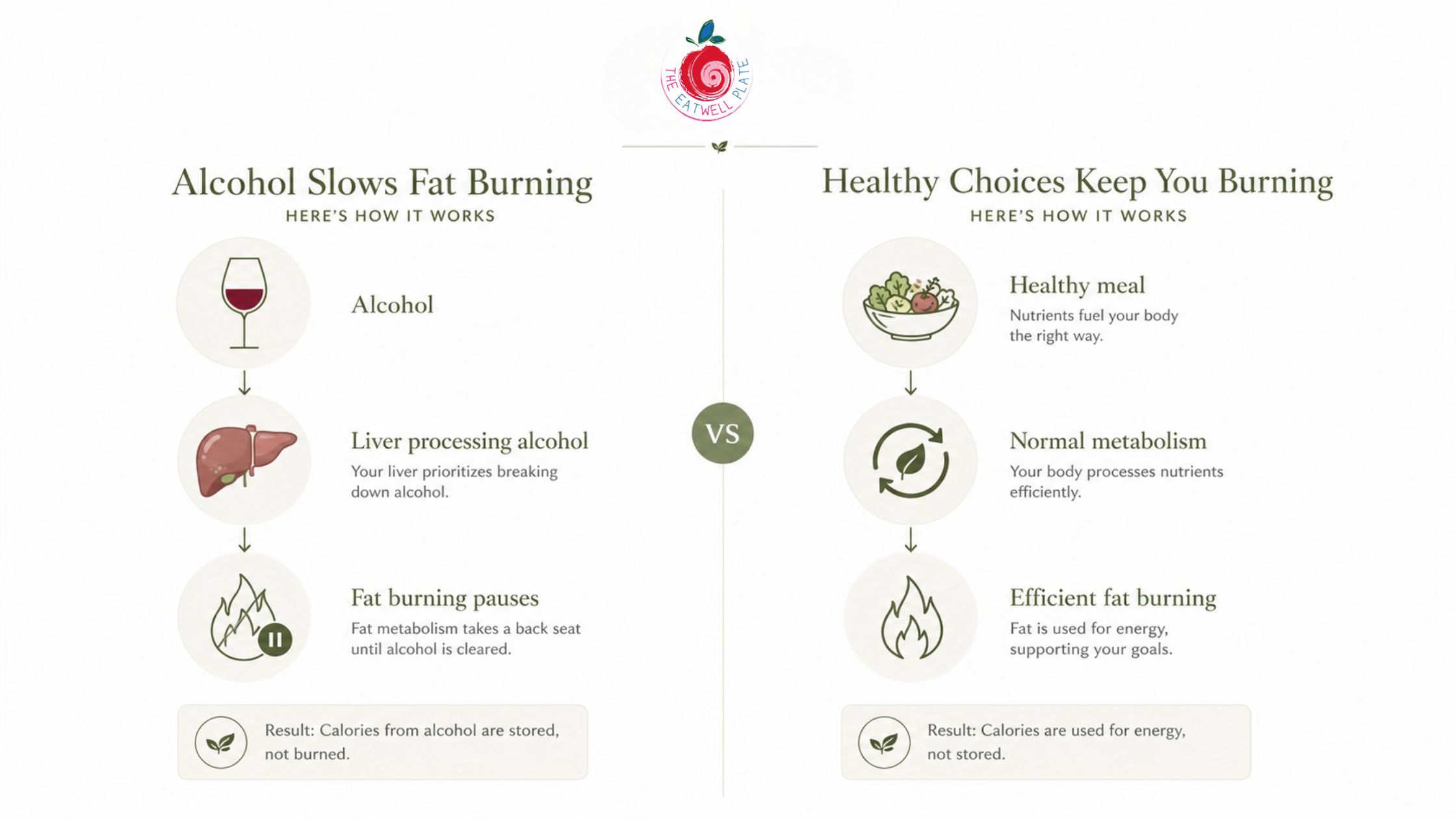
This effect is not permanent, but it disrupts the metabolic rhythm that supports consistent fat loss. If drinking happens frequently, these interruptions can meaningfully slow overall progress—especially for those targeting belly fat reduction or following a structured weight management program.
Why Alcohol Makes Healthy Eating More Difficult
Beyond its direct metabolic effects, alcohol impairs judgment and lowers inhibitions—including food-related decisions. This is why many people find themselves reaching for greasy or high-calorie foods after a few drinks.
Alcohol also lowers blood sugar temporarily, which triggers cravings for fast energy—usually in the form of refined carbohydrates and sugary foods. This combination of increased hunger, impaired decision-making, and lowered willpower creates the perfect storm for overeating.
For anyone working on healthy eating habits and a balanced diet, this is one of the most practical reasons to be mindful about alcohol consumption.
The Effect of Alcohol on Sleep and Recovery
Quality sleep is a cornerstone of effective weight management. Poor sleep raises cortisol levels (the stress hormone), which promotes fat storage—particularly around the abdomen. It also increases appetite the following day and reduces motivation to exercise.
Alcohol disrupts REM sleep, even when it initially makes you feel drowsy. You may fall asleep faster but wake up feeling less rested, which sets off a chain reaction that affects your healthy lifestyle goals.
For fitness enthusiasts and working professionals trying to stay consistent with their routines, this is an often-underestimated consequence of drinking.
Can You Lose Weight Without Giving Up Social Drinking?
This is one of the most common questions dietitians hear. The honest answer: it depends.
Some individuals can include occasional, mindful drinking within a balanced diet and still make progress. Others, depending on their metabolism, health conditions, or specific weight-loss targets, may find that even moderate drinking significantly slows results.
There is no universal rule. That is precisely why personalized nutrition matters so much—what works for one person may not work for another.
Tips to Make Healthier Choices if You Drink
If you do choose to drink occasionally, there are practical steps that can reduce the impact on your weight-loss diet.
| Healthy Practice | Why It Helps |
| Staying Hydrated | Supports Overall Health |
| Mindful Drinking | Helps Control Calories |
| Balanced Meals | Reduces Overeating |
| Physical Activity | Supports Weight Management |
| Professional Diet Guidance | Personalized Recommendations |
| Lifestyle Monitoring | Better Long-Term Results |
- Eat a balanced meal before drinking. Drinking on an empty stomach accelerates alcohol absorption and increases appetite.
- Alternate alcoholic drinks with water. This supports hydration and naturally slows consumption.
- Choose lower-calorie options. Dry wines, spirits with soda water, and light beers tend to carry fewer calories than cocktails or sugary mixers.
- Set a clear limit before you go out. Deciding in advance removes the temptation of in-the-moment decisions.
- Plan your meals around social events. If you know you’ll be drinking, keep the rest of the day’s meals lighter and nutrient-dense.
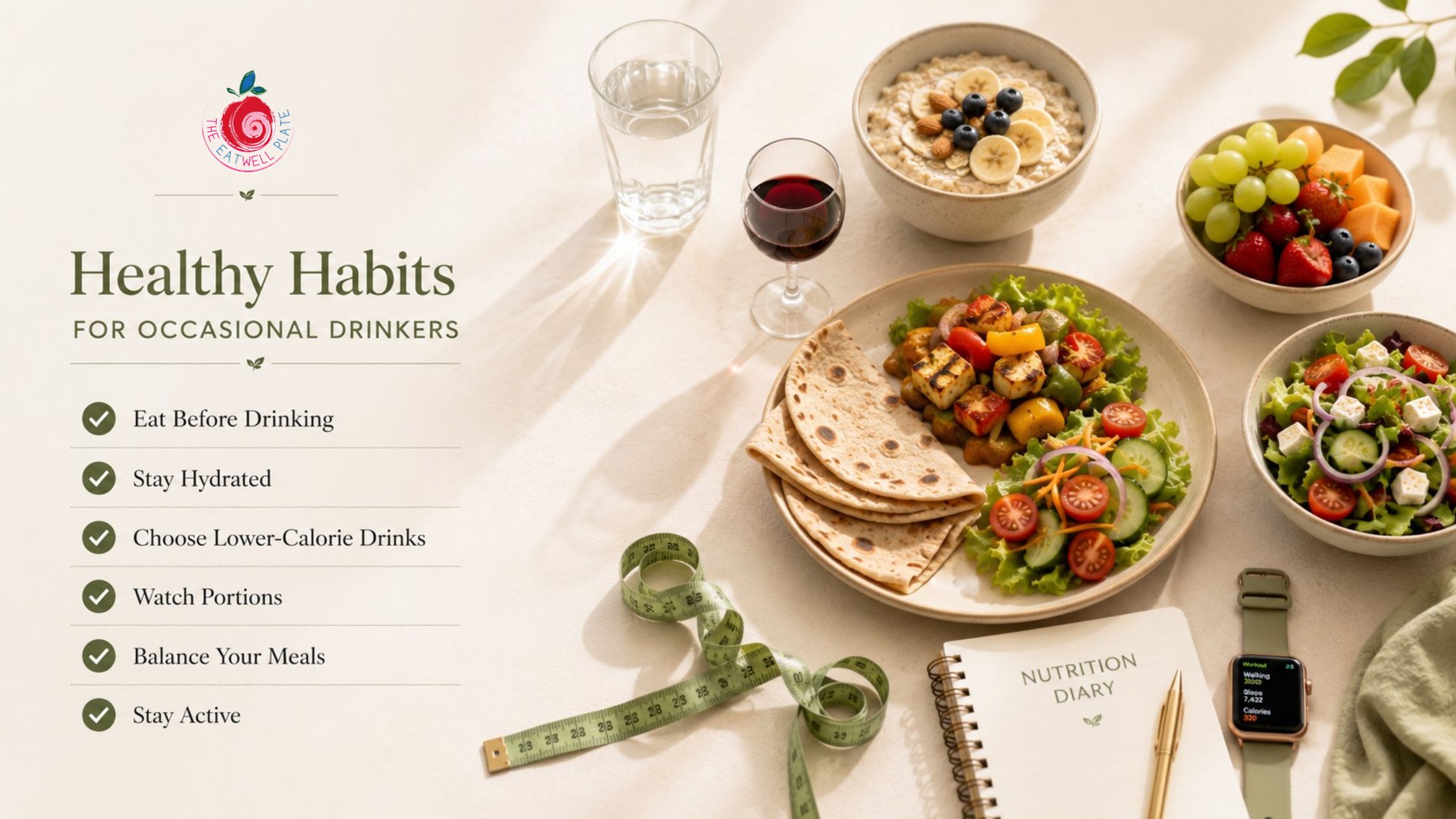
These strategies support mindful drinking and help preserve the progress you have made on your weight loss diet.
Why One Diet Rule Doesn’t Work for Everyone
Here is something many generic online guides fail to acknowledge: there is no universal answer to alcohol consumption during weight loss. Individual nutritional needs differ based on age, gender, body composition, medical conditions, medications, activity level, and specific goals.
Someone managing type 2 diabetes, PCOS, or high blood pressure will have very different considerations compared to a healthy adult who simply wants to shed a few kilograms. This is why following a generic alcohol or diet chart found online can be ineffective—or even harmful.
Do not rely on one-size-fits-all advice. Instead, seek a personalized Diet Chart For Weight Loss or an Online Diet Plan for Weight Loss from a qualified dietitian who understands your unique health profile.
What Every Weight Loss Beginner Should Know About Alcohol
Starting a weight-loss journey comes with enough complexity already. Adding alcohol into the equation without proper guidance can create confusion and slow results. Here is what every beginner should keep in mind:
- Alcohol is not a zero-calorie beverage. Every drink counts toward your daily intake.
- Fat burning pauses while your body processes alcohol.
- Sleep, hunger, and cravings are all negatively affected by regular drinking.
- Short-term choices accumulate into long-term outcomes.
Understanding these fundamentals empowers you to make informed decisions, rather than feeling restricted by rigid rules you don’t fully understand.
Common Mistakes People Make While Drinking During a Diet
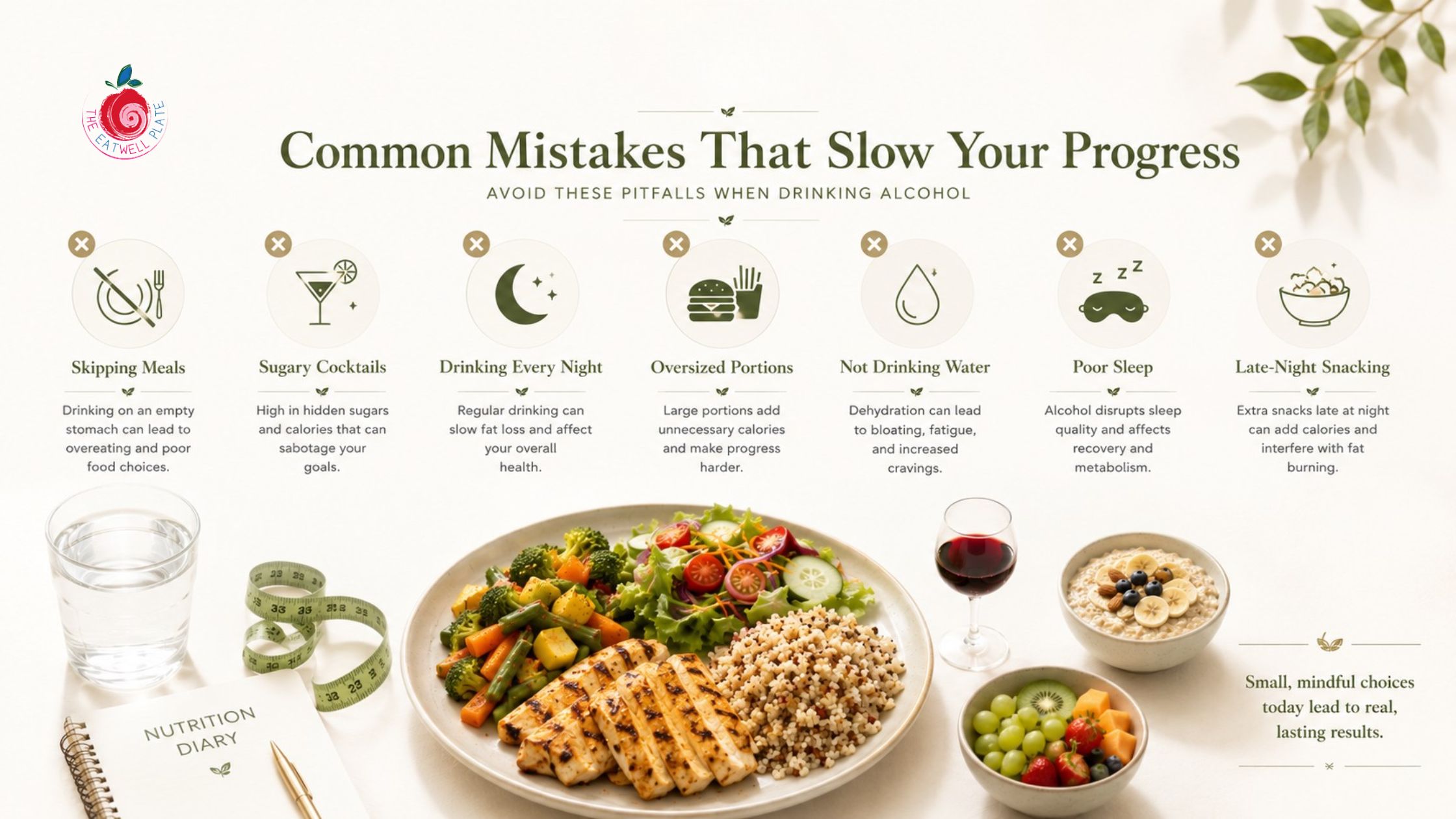
Even well-intentioned dieters make these mistakes regularly:
- Underestimating portion sizes. A “glass” of wine poured at home is often much larger than a standard serving.
- Not accounting for mixer calories. Juice, soda, and tonic water add significant sugar and calories.
- Drinking on consecutive nights. Frequency compounds the metabolic impact significantly.
- Skipping meals to “save calories” for alcohol. This backfires by lowering blood sugar and increasing appetite.
- Ignoring the day-after effect. Fatigue, poor food choices, and reduced physical activity the next day are part of the real cost.
Recognizing these patterns is the first step toward better decision-making on your healthy weight loss journey.
Why Choose The EatWell Plate?
The EatWell Plate is a trusted nutrition clinic with over 12 years of experience in evidence-based diet counseling and sustainable weight management. With more than 10,000 happy clients served across Chandigarh and online, The EatWell Plate takes a lifestyle-focused approach that goes well beyond generic meal plans.
Every consultation at The EatWell Plate begins with an individual health assessment—covering medical history, eating habits, lifestyle factors, and specific goals. This allows their expert dietitians to design a Weight Loss Diet Program that is practical, realistic, and built for your life.
Whether you’re a working professional, a new mother, a fitness enthusiast, or someone just beginning their health journey, The EatWell Plate offers personalized nutrition guidance and professional dietary support grounded in science—not fads.
How to Find The EatWell Plate Online Before Booking
Many people searching for the best dietitian in Chandigarh choose to explore The EatWell Plate’s Google Business Profile before scheduling their first appointment. There, you can read genuine patient reviews, browse clinic photos, check ratings, get directions, and book a consultation directly. It is a helpful first step for anyone wanting reassurance before committing to a nutrition program—and a transparent look at the real experiences of clients who have already walked this path.
Making an Informed Decision: The Right Approach to Alcohol While Dieting
Alcohol while following a diet is not automatically off-limits—but it requires awareness, moderation, and context. The impact on your metabolism, calorie intake, sleep quality, and fat loss is real and measurable. Ignoring it can stall progress; understanding it puts you in control.
There is no substitute for personalized guidance from a professional who understands your unique health profile. Generic advice from the internet can only take you so far. A customized plan, built around your body and your goals, is what creates lasting results.
Frequently Asked Questions (FAQs)
Q1. Does alcohol while following a diet always prevent weight loss?
Not always, but it does create obstacles. Alcohol slows fat burning, adds empty calories, and increases appetite. Whether it prevents weight loss depends on your overall diet, frequency of drinking, health status, and individual metabolism. Consulting a dietitian provides personalized clarity.
Q2. Can I follow a diet chart for weight loss and still drink occasionally?
A diet chart for weight loss can sometimes be adapted to include occasional alcohol, depending on your goals and health conditions. However, this varies by individual. A qualified dietitian can help you determine what fits safely within your plan without compromising results.
Q3. How does alcohol affect belly fat specifically?
Alcohol raises cortisol levels and disrupts fat metabolism, which promotes fat storage around the abdomen. Frequent drinking is associated with increased visceral fat. Combined with poor sleep and higher calorie intake, it can significantly slow belly fat reduction progress.
Q4. Where can I get a personalized online diet plan for weight loss in India?
The EatWell Plate offers customized Online Diet Plans for Weight Loss across India. Their evidence-based approach considers your health history, lifestyle, and goals—making it far more effective than following generic advice about alcohol while following a diet.
Start Your Personalized Weight Loss Journey Today
Every individual’s health, metabolism, lifestyle, and goals are different. That is why a one-size-fits-all approach to alcohol, diet, and weight loss will rarely deliver the results you are looking for.
The most effective—and safest—path forward is a customized nutrition plan designed by an experienced dietitian who understands your body. At The EatWell Plate, their team of expert dietitians will assess your unique needs and build a plan that works for your real life—not a generic template found online.
Ready to take the first step? Contact The EatWell Plate today for a personalized consultation and discover what the right nutrition strategy looks like for you.
📞 Call or WhatsApp: +91 82838 20521
🌐 Visit: theeatwellplate.in