
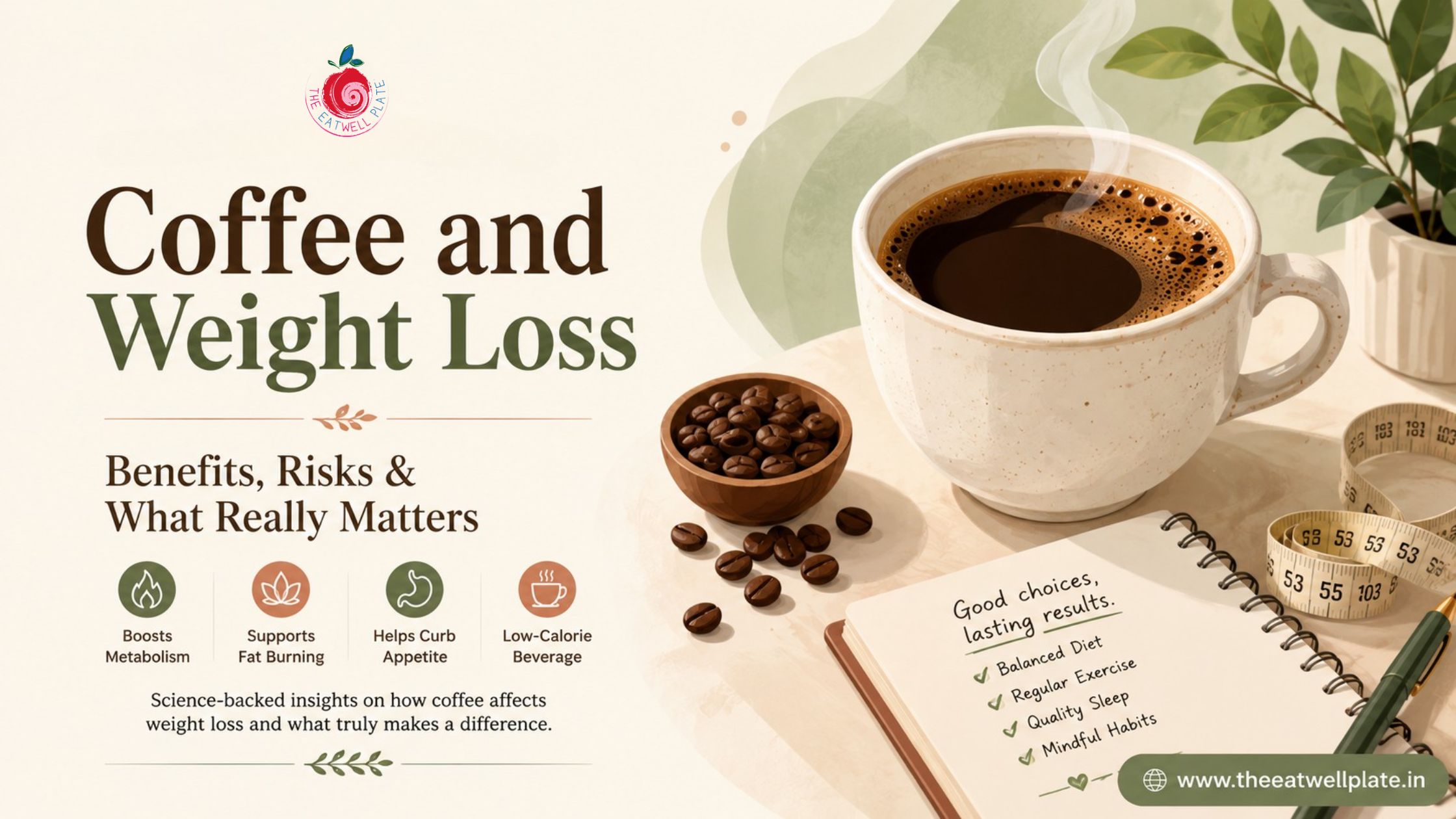
Quick answer: Coffee may support weight loss by boosting metabolism and reducing appetite, but its effects are modest. No diet chart for weight loss or single food can replace consistent healthy eating habits, regular physical activity, and adequate sleep. Coffee works best as one small part of a broader, sustainable weight-management approach.
Many Indians start their day with a cup of chai—but coffee consumption is rising fast, especially among working professionals in cities like Chandigarh, Mumbai, and Bengaluru. Along with that rise comes a popular question: can coffee actually help with weight loss, or is it just another overhyped claim? The honest answer sits somewhere in the middle. Coffee does offer some real, science-backed benefits for weight management. However, it also carries risks, and it cannot do the heavy lifting that a balanced diet chart for weight loss and an active lifestyle can.
This blog breaks down what coffee can realistically do, what it cannot do, and what actually matters for healthy, sustainable weight loss.
Does Coffee Actually Help With Weight Loss?
Coffee contains caffeine, one of the most well-studied natural stimulants in the world. Caffeine may have a modest effect on metabolism by increasing the rate at which your body burns calories—a process called thermogenesis. Research suggests that caffeine can boost metabolic rate by approximately 3–11%, depending on the individual (Dulloo et al., 1989, American Journal of Clinical Nutrition).
Black coffee and weight loss are often discussed together for this reason. Black coffee has virtually zero calories on its own, so it does not add to your daily caloric intake. At the same time, caffeine may temporarily suppress appetite, which could help some people eat slightly less throughout the day.
However, these effects are small and vary widely between individuals. People who regularly consume caffeine tend to develop a tolerance over time, which reduces its metabolic impact. Coffee for weight loss works best when it supports—not replaces—other healthy habits.
How Does Caffeine Affect Metabolism and Fat Burning?
Caffeine stimulates the central nervous system. This stimulation triggers the release of adrenaline, which signals fat cells to break down stored fat and release it into the bloodstream as free fatty acids. In theory, this makes those fatty acids available for energy use.
Coffee before a workout may amplify this effect. Many fitness professionals and nutritionists recommend drinking a cup of plain black coffee 30–45 minutes before exercise. The caffeine can increase focus, reduce perceived effort, and may improve performance—helping you push harder during your session.
That said, caffeine and weight loss share a conditional relationship. The fat that coffee releases into your bloodstream will only be used for fuel if your body actually needs it—for example, during physical activity. Without exercise, those fatty acids may simply return to storage.
What Are the Real Benefits of Coffee for Weight Loss?
When consumed in moderation and without calorie-heavy additions, coffee offers several potential benefits for people working on weight management:
- Metabolism support: Caffeine may modestly increase the number of calories your body burns at rest.
- Appetite reduction: Some people find that coffee temporarily reduces hunger, which may help with calorie control.
- Energy for exercise: Coffee before a workout can improve physical performance, indirectly supporting fat loss.
- Low calorie count: Plain black coffee contains fewer than 5 calories per cup, making it a smart beverage choice when following a diet chart for weight loss.
- Antioxidant content: Coffee is rich in polyphenols and antioxidants, which contribute to overall health—an important foundation for sustainable weight management.
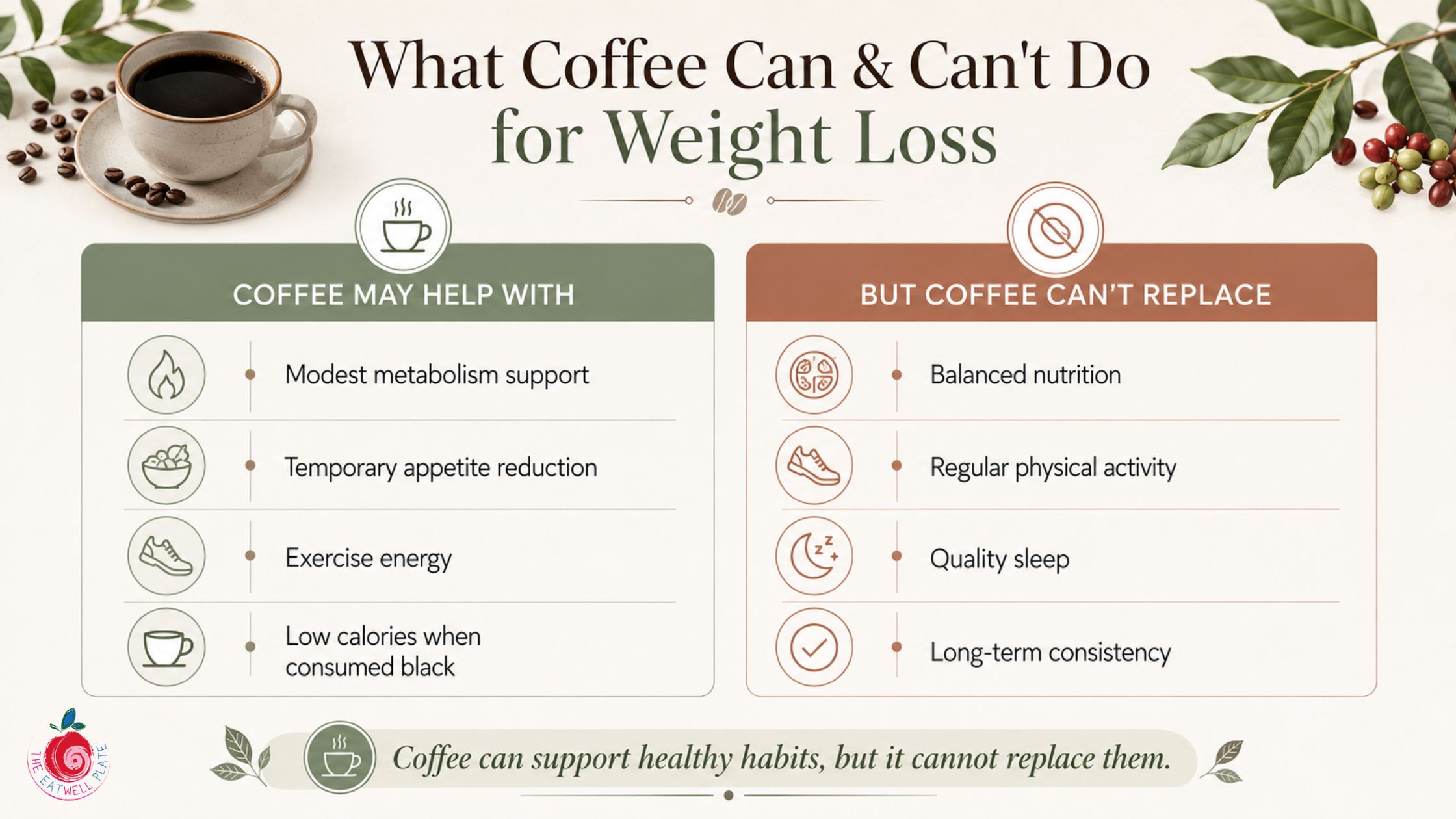
These benefits are real, but modest. Coffee does not melt fat, suppress hunger dramatically, or compensate for poor lifestyle choices.
The Hidden Problem: What Goes Into Your Coffee Cup?
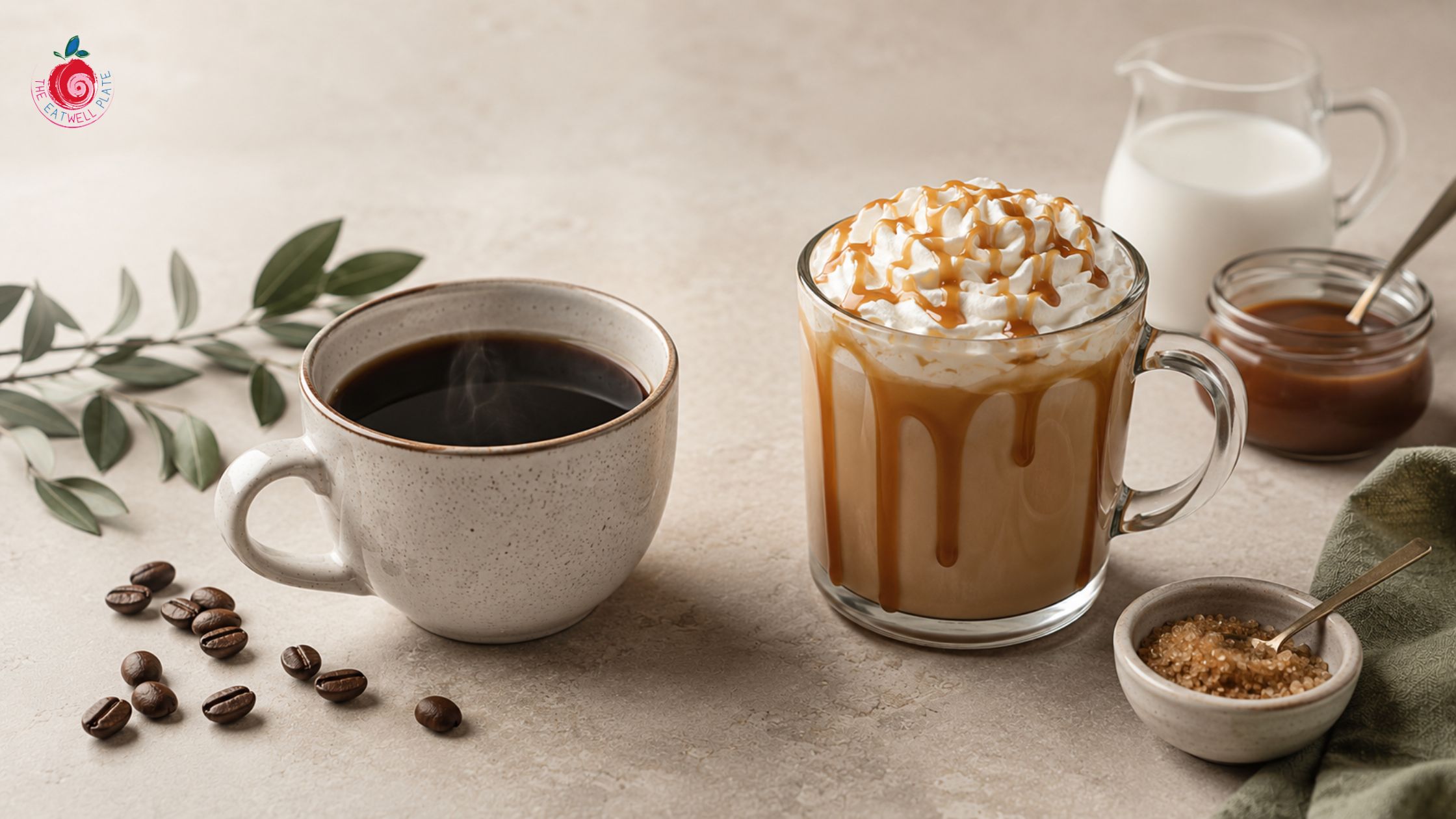
Plain black coffee may support weight management, but most people do not drink it plain. The moment you add sugar, full-fat milk, flavored syrups, cream, or whipped toppings, the calorie count rises sharply.
Consider a standard café-style caramel latte or a cold coffee with ice cream—these drinks can easily contain 300–500 calories per serving, sometimes more. Drinking two or three of these daily while trying to lose weight actively works against your goals.
Even “small” additions matter. Two teaspoons of sugar in three cups of coffee daily adds up to roughly 90–100 extra calories. Over a month, that becomes a meaningful surplus.
If you enjoy coffee while following a diet chart for weight loss, the practical advice is straightforward: reduce sugar gradually, switch to low-fat or plant-based milk, and avoid flavored syrups. Your coffee habit does not need to disappear—it just needs to be adjusted.
What Are the Risks of Drinking Too Much Coffee?
Excessive caffeine consumption carries real risks, particularly for people who are sensitive to stimulants or who consume coffee on an empty stomach.
Common risks include:
- Sleep disruption: Caffeine has a half-life of approximately 5–6 hours. Drinking coffee after 3–4 p.m. can interfere with sleep quality, and poor sleep is strongly linked to weight gain and increased appetite.
- Increased anxiety: High caffeine intake can cause jitteriness, restlessness, and heightened anxiety—especially in those already prone to stress.
- Digestive discomfort: Coffee stimulates stomach acid production. Drinking it on an empty stomach may cause acidity or bloating, which is a common complaint among Indian coffee drinkers.
- Dependency and tolerance: Regular high caffeine consumption can lead to dependency, reduced effectiveness, and withdrawal symptoms like headaches and fatigue.
- Heart palpitations: Excessive intake may cause an elevated heart rate in sensitive individuals.
Most health guidelines suggest limiting caffeine to 400 mg per day for healthy adults—roughly three to four cups of brewed coffee. Staying within this range reduces most risks.
Why Coffee Alone Cannot Deliver Sustainable Weight Loss
This is the most important point in the entire discussion. Coffee and weight loss are connected, but only loosely. No single food, drink, or supplement can produce meaningful, lasting weight loss on its own.
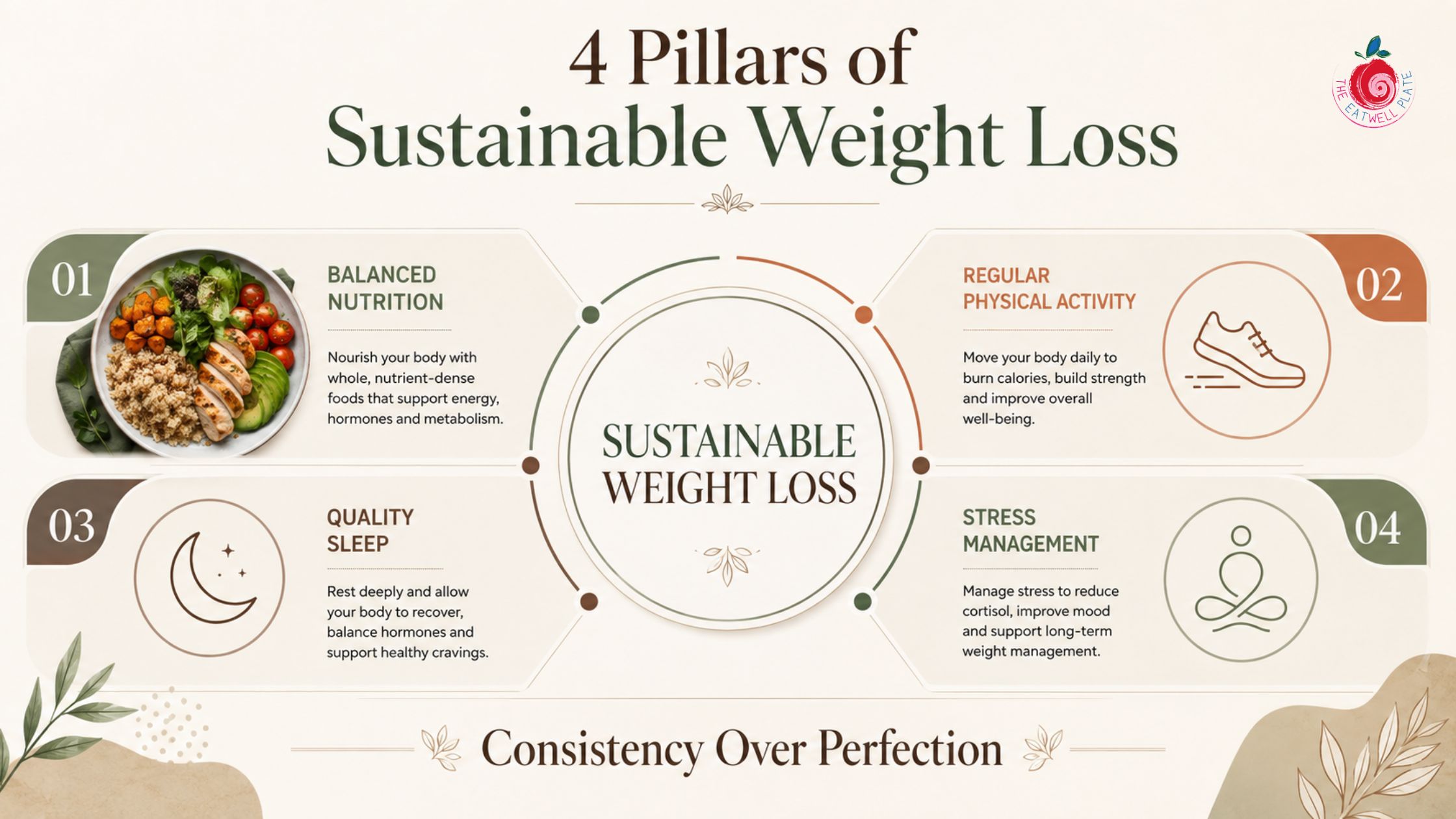
Sustainable weight loss depends on a combination of consistent factors: a balanced and realistic diet chart for weight loss, regular physical activity, quality sleep, stress management, and long-term behavioral change. Coffee can play a minor supporting role, but it cannot replace any of these pillars.
Many people fall into the trap of treating coffee as a weight-loss strategy in itself. They may drink extra cups hoping to speed up fat burning, while neglecting their overall eating habits or physical activity. This approach does not work.
Healthy weight loss is built on daily habits—what you eat across every meal, how often you move your body, how well you sleep, and how consistently you maintain these behaviors over months and years. A well-structured diet chart for weight loss, tailored to your individual needs and food preferences, will always deliver better results than any supplement or beverage.
Practical Tips for Coffee Drinkers Who Want to Lose Weight
If you drink coffee regularly and want to manage your weight, these practical steps can help:
- Drink black coffee or coffee with minimal, unsweetened additions where possible.
- Avoid high-calorie coffee drinks from cafés—these often contain more sugar and fat than a full meal.
- Time your coffee intake wisely. Avoid drinking it late in the evening to protect sleep quality.
- Consider drinking a cup of black coffee before your morning workout for a natural energy boost.
- Do not use coffee as a meal replacement. It should complement your meals, not replace them.
- Listen to your body. If coffee causes acidity, anxiety, or disrupted sleep, reduce your intake.
Personalized Approach Can Make Weight Loss Easier
If you live in Chandigarh and want professional support for your weight-management goals, The EatWell Plate is worth exploring. Recognized as a trusted name and one of the Best Dietitian in Chandigarh services, The EatWell Plate provides personalized nutrition guidance tailored to your individual health goals and dietary preferences. You can find them easily by searching for Best Dietitian in Chandigarh on Google Maps or by visiting our Google Business Profile to read reviews, learn more about our services, and get in touch directly.
What Actually Drives Healthy, Sustainable Weight Loss?
Coffee may contribute a small piece to the weight-management puzzle, but the larger picture matters far more. Here is what the evidence consistently supports:
Balanced nutrition: Following a structured and personalized diet chart for weight loss—one that matches your caloric needs, food preferences, and health conditions—is the single most effective tool for weight management.
Regular physical activity: A mix of cardiovascular exercise and strength training supports fat loss, preserves muscle mass, and improves overall metabolic health.
Quality sleep: Poor or insufficient sleep disrupts hunger hormones like ghrelin and leptin, increasing appetite and cravings. Adults generally need seven to nine hours of quality sleep per night.
Stress management: Chronic stress elevates cortisol, a hormone that promotes fat storage—particularly around the abdomen. Managing stress through mindfulness, movement, and rest supports healthier body composition.
Consistency over perfection: Short-term crash diets rarely produce lasting results. Sustainable weight loss comes from building habits you can maintain for life.
Take the Next Step With The EatWell Plate
Coffee can be a small, enjoyable part of a healthy lifestyle. Drink it mindfully, keep additions minimal, time it well, and respect your body’s tolerance. However, do not rely on coffee to carry your weight-loss goals—that work belongs to your overall lifestyle.
If you are ready to build a sustainable, personalized approach to weight management, the team at The EatWell Plate can help. Our nutrition professionals offer tailored guidance designed around your individual goals, food habits, and health needs—no generic plans, no one-size-fits-all advice.
Reach out to The EatWell Plate today and take a practical, informed step toward healthier weight management. Call them at +91 82838 20521 or visit our website to book a consultation.
Frequently Asked Questions
Q1. Is black coffee good for weight loss?
Black coffee may support weight loss modestly. It contains almost no calories and caffeine, which can temporarily boost metabolism and reduce appetite. However, these effects are small. Black coffee works best as part of a balanced lifestyle, not as a standalone weight-loss strategy.
Q2. How many cups of coffee per day are safe for weight management?
Most health guidelines recommend no more than three to four cups of brewed coffee per day for healthy adults—roughly 400 mg of caffeine. Exceeding this may cause sleep disruption, anxiety, or digestive discomfort, all of which can negatively affect weight management.
Q3. Does adding sugar or milk to coffee affect weight loss?
Yes. Plain black coffee has minimal calories, but adding sugar, full-fat milk, cream, or flavored syrups significantly increases its calorie content. If you are following a diet chart for weight loss, reducing or eliminating these additions from your coffee is a practical step worth taking.
Q4. When is the best time to drink coffee for weight loss?
Morning or early afternoon works best. Drinking coffee 30–45 minutes before a workout may improve performance and energy. Avoid coffee after 3–4 p.m., as caffeine can interfere with sleep quality—and poor sleep is linked to increased appetite and weight gain.