
Quick answer: Makhana (fox nuts) can be a useful low-calorie, high-fibre snack for weight-conscious eating, but it is not a fat-burning or miracle food. Whether it supports weight loss depends on portion size, preparation method, and how it fits into your overall diet plan for weight loss for female needs, rather than the makhana itself.
If you’ve been scrolling through wellness pages wondering whether that bowl of roasted fox nuts is doing your waistline any favors, you’re not alone. Makhana has become one of India’s most talked-about snacks, popping up in everything from diet blogs to Instagram reels promising quick fat loss. But as a dietitian, I get asked this question almost every week: is makhana actually good for weight loss, or is it just another food trend riding on buzzwords?
This blog breaks down what makhana really is, what its nutritional profile offers, and how it might realistically fit into a balanced eating pattern. We’ll also look at common mistakes people make with this snack and why no single food, however healthy, can replace a well-structured diet plan for weight loss for female bodies and lifestyles. If you’re exploring healthier snack options or trying to build sustainable habits around weight management, this guide will give you a grounded, evidence-based perspective.
What Is Makhana?
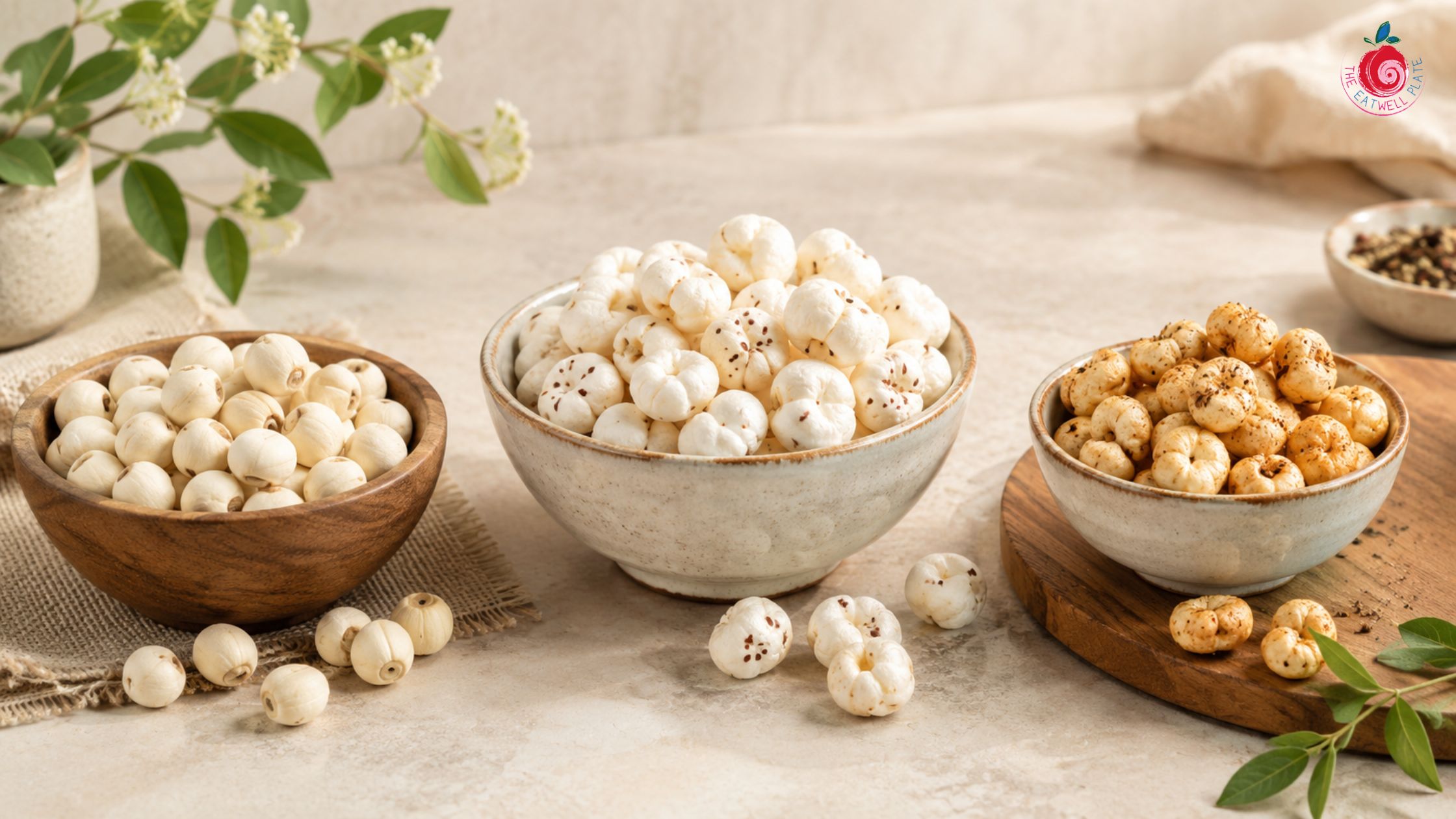
Makhana, also known as fox nuts or lotus seeds, comes from the Euryale ferox plant, which grows in ponds and wetlands, largely in eastern India, particularly Bihar. The seeds are harvested, roasted, and popped, resulting in the light, crunchy snack most of us recognize from our pantry shelves. Traditionally used in Indian cooking during fasting periods and festivals like Navratri, makhana has long held a place in Indian kitchens, well before it became a trending “superfood” on social media.
Why Is Makhana Commonly Considered a Snack Option?
Part of makhana’s popularity comes down to its texture and versatility. It’s light, crunchy, and neutral in taste, which makes it easy to dry roast with light spices or add to kheer, curries, and trail mixes. Unlike deep-fried snacks, plain makhana doesn’t require much oil to prepare, and it offers a satisfying crunch that can curb the urge to reach for chips or namkeen. This combination of convenience and relatively simple preparation is why it’s often suggested as a smarter snacking alternative.
Makhana Nutrition: What’s Actually in It?
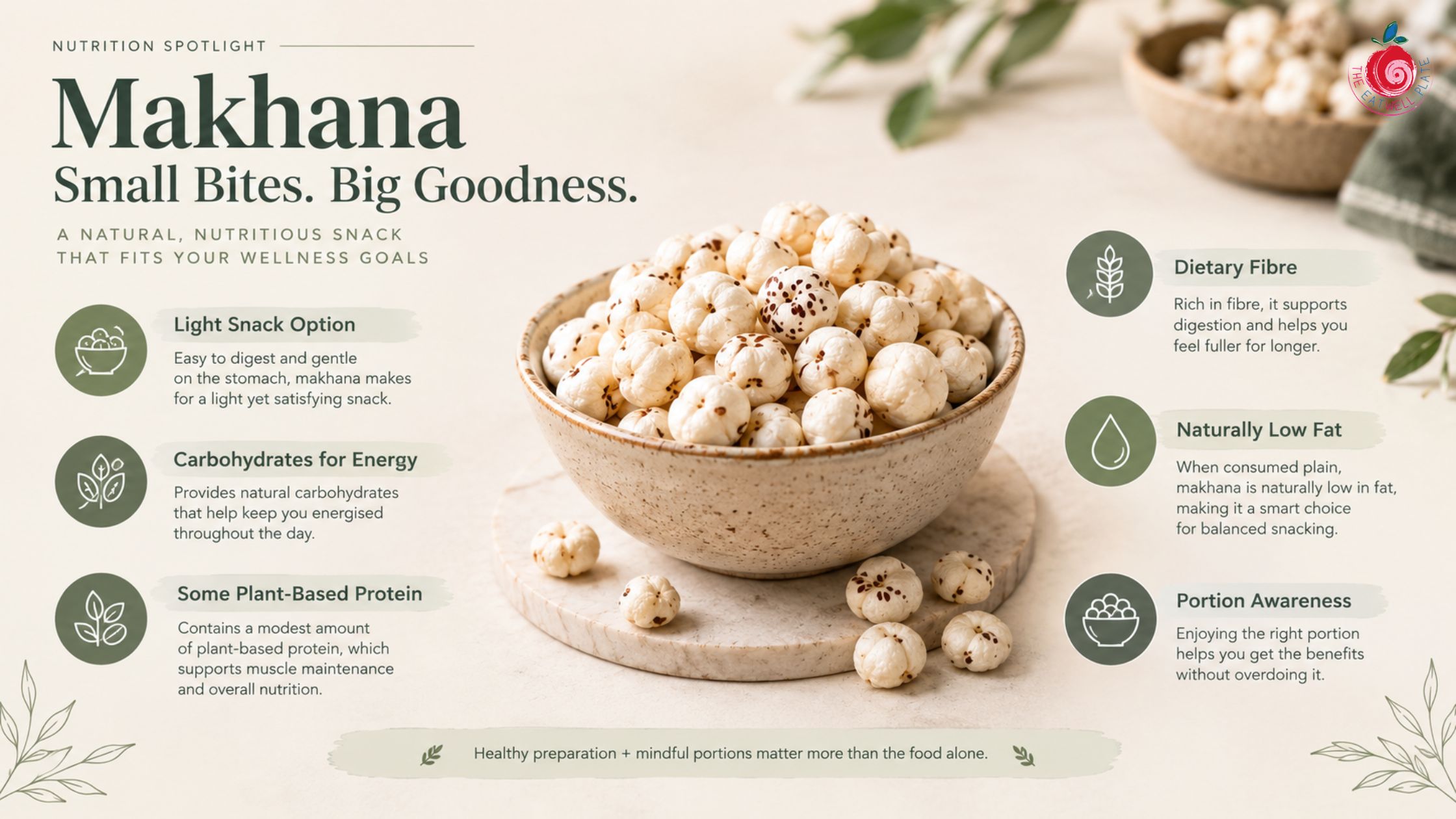
When people ask whether makhana supports weight loss, they’re usually asking about its nutritional composition. Broadly speaking, makhana is:
- Relatively low in calories compared to many fried or processed snacks, especially when eaten plain or dry roasted.
- A source of carbohydrates, which provide energy, along with a moderate amount of protein for a plant-based snack.
- Naturally low in fat, particularly when prepared without added ghee or oil.
- A source of dietary fibre, which can support satiety and digestion.
It’s worth noting that exact calorie and macronutrient values can vary depending on the serving size, roasting method, and whether anything is added during preparation. Rather than fixating on specific numbers, it’s more useful to understand makhana’s qualitative role: a light, fibre-containing snack that, in its plain form, is unlikely to add excessive calories to your day.
Is Makhana Good for Weight Loss?
This is the question most readers are really here for, so let’s address it directly. Makhana is not inherently a weight-loss food, and no single ingredient can be credited with “burning fat” or guaranteeing results on the scale. What makhana does offer is a lighter snacking option that, when eaten in sensible portions, can support an overall calorie-conscious eating pattern.
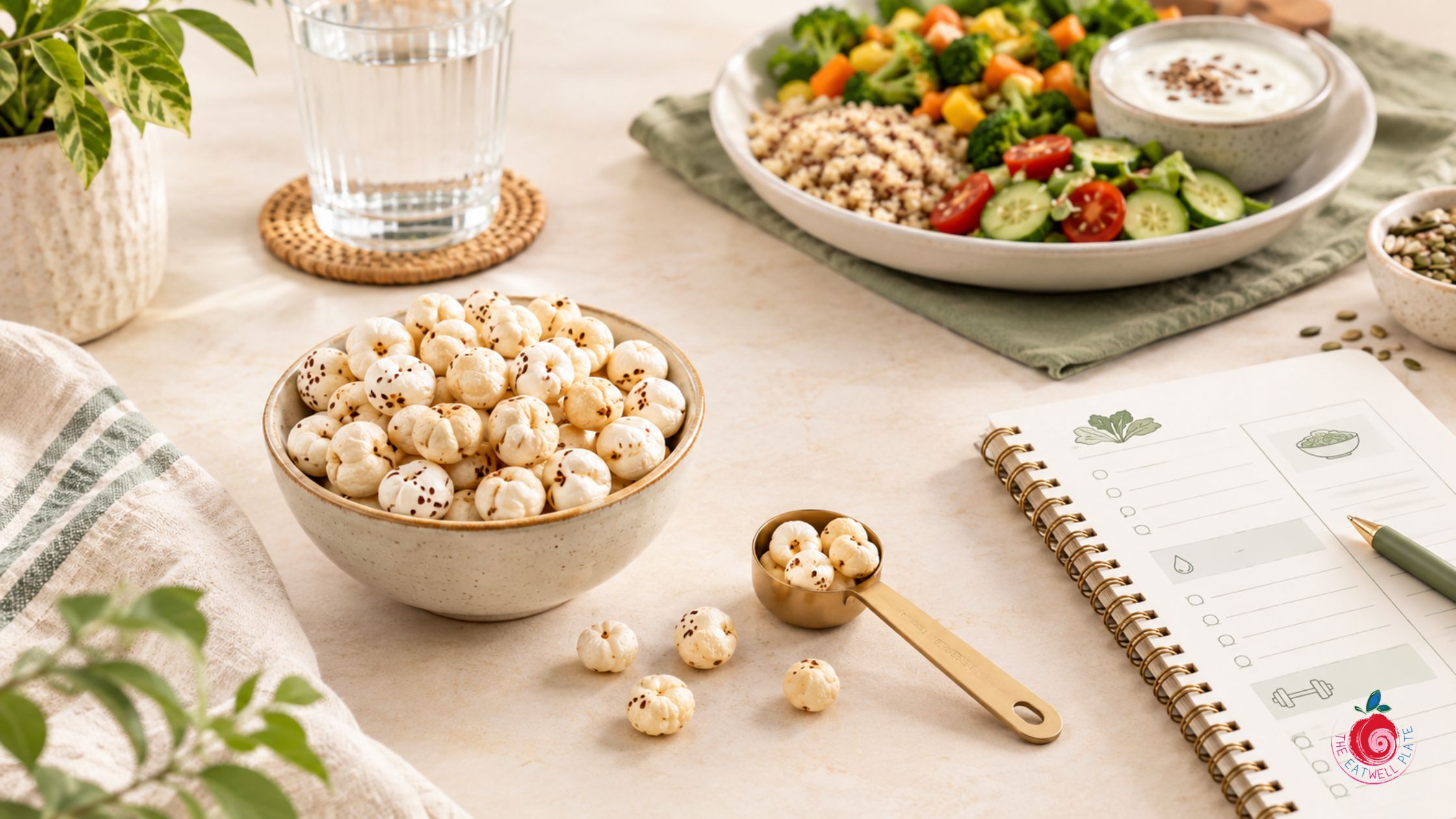
Whether makhana genuinely helps with weight management depends on several factors:
- Portion size – a small bowl is very different from an unmeasured, mindless handful eaten straight from the packet.
- Preparation method – dry roasted versus deep fried or coated in sugar and ghee changes its calorie density significantly.
- Overall dietary pattern – what the rest of your day’s meals look like matters more than any single snack.
- Total energy intake – weight management ultimately comes down to overall calories consumed versus used.
- Individual nutritional needs – age, activity level, and health conditions all play a role.
- Frequency of consumption – eating it occasionally versus multiple times a day changes its impact.
- What it replaces – makhana swapped in for chips or fried snacks is a different scenario than makhana added on top of your usual intake.
In short, makhana can be a sensible part of a weight-conscious lifestyle, but it works best as one piece of a broader, personalized diet plan for weight loss for female routines, not as a standalone solution.
How Portion Size Affects Makhana’s Role in Weight Management
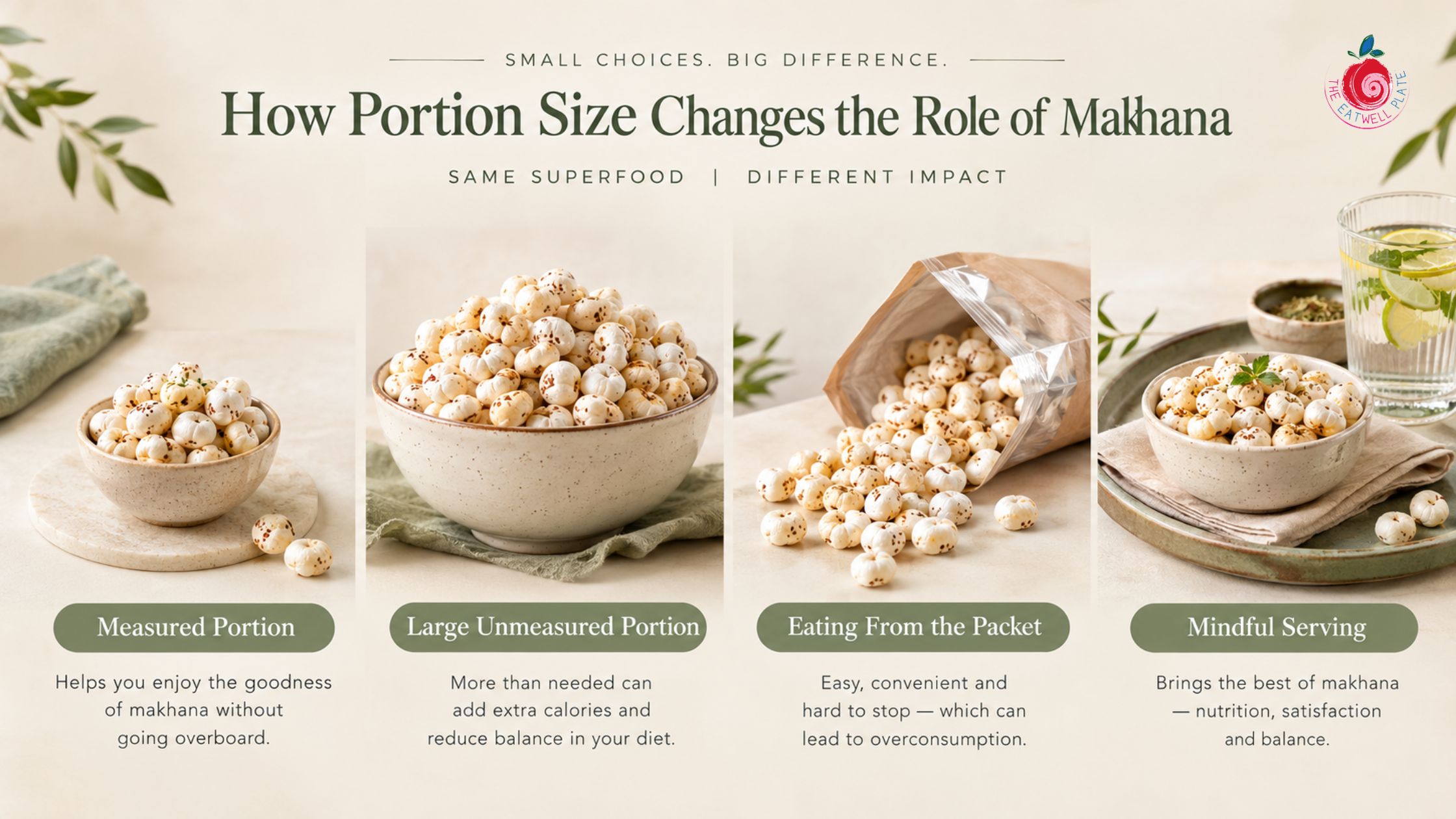
It’s easy to assume that because makhana is “healthy,” you can eat it without limits. This is one of the most common misconceptions around this snack. Like any food, calories add up with quantity. A handful of plain roasted makhana is a reasonable snack, but finishing an entire packet while watching TV can quietly contribute more calories than expected. Being mindful of portion size is one of the simplest ways to keep makhana aligned with your weight management goals.
Why Preparation Method Matters
How makhana is prepared can make a significant difference to its suitability as a weight-conscious snack. Dry roasting with minimal or no oil keeps it light and closer to its natural nutritional profile. On the other hand, makhana fried in generous amounts of ghee or oil, or coated with sugar, caramel, or heavy seasoning blends, can turn an otherwise simple snack into a calorie-dense one. This is an important distinction, because “makhana” as a category covers everything from a plain roasted bowl to a sugar-glazed packaged version, and these are nutritionally very different products.
Best Ways to Eat Makhana for Weight Management
If you want to include makhana as part of a balanced approach to eating, a few simple habits can help:
- Dry roast it at home with minimal oil and light spices like black pepper, turmeric, or roasted cumin powder.
- Measure your portion instead of eating directly from a large bag or bowl.
- Avoid excessive ghee or oil when preparing it, even though a small amount for roasting is fine.
- Be cautious with flavored or packaged versions, as many contain added sugar, salt, or calorie-dense coatings.
- Pair it mindfully within your day’s overall meals, rather than treating it as an unlimited snack.
Here’s a quick reference table to help you evaluate different makhana choices:
| Makhana Choice or Habit | What to Consider |
| Plain or lightly roasted makhana | Easier to manage as a simple, lower-calorie snack |
| Large, unmeasured portions | Can increase overall calorie intake without you realizing it |
| Excessive oil or ghee during roasting | Adds extra calories beyond what you might expect |
| Sugary or caramel coatings | Makes the snack more calorie-dense and less weight-conscious |
| Mindful, measured portions | Helps support a balanced, sustainable eating approach |
| Packaged flavored versions | Always check the ingredient list and nutrition label before buying |
Common Mistakes People Make While Eating Makhana
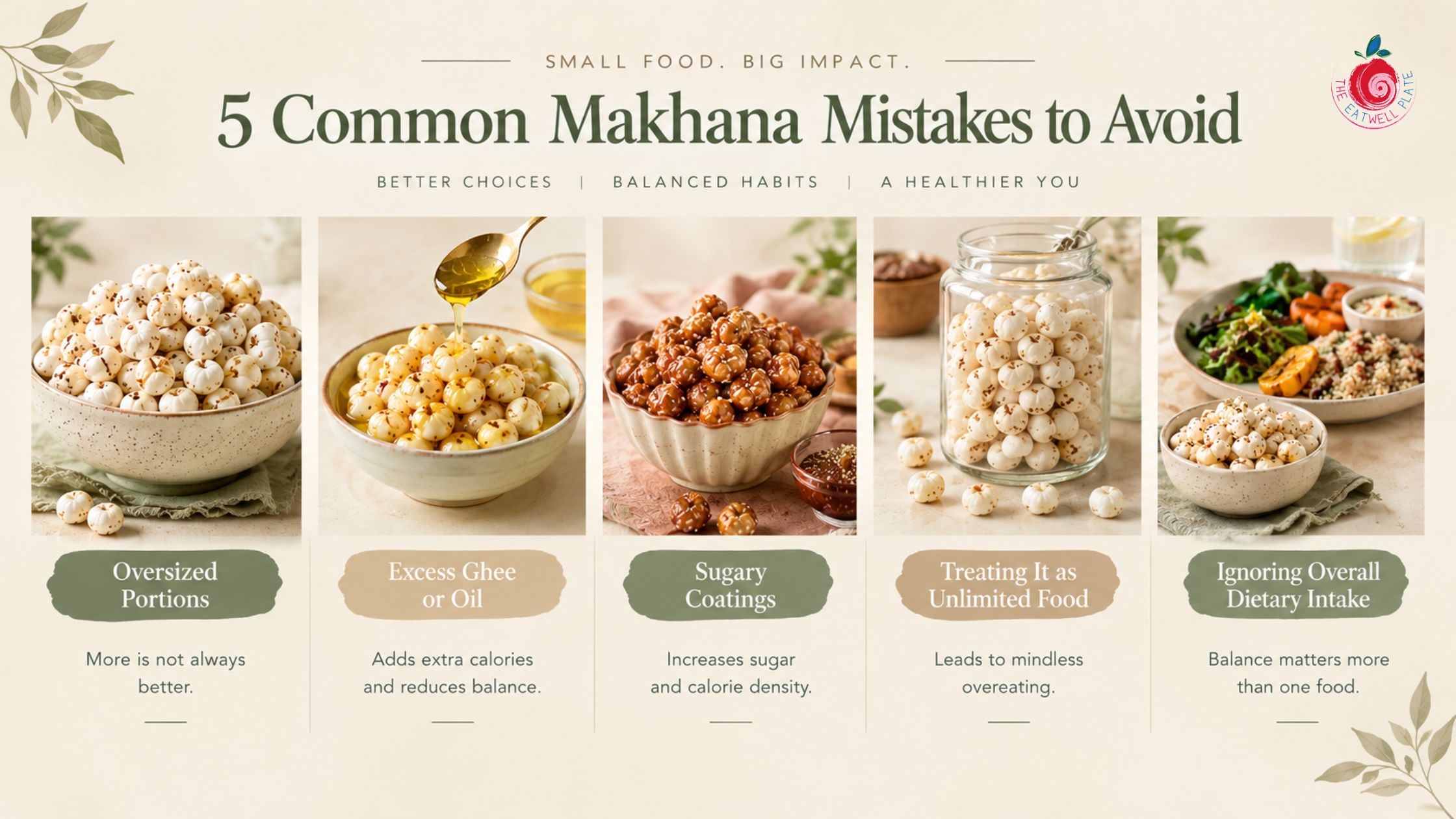
Even a genuinely useful snack can work against your goals if eaten the wrong way. Some common mistakes include:
- Eating very large portions simply because makhana feels “light” or “healthy.”
- Adding excessive ghee or oil during preparation, which quietly increases calorie content.
- Choosing heavily flavored or sugar-coated versions without checking labels.
- Treating makhana as a “free food” that doesn’t count toward daily calorie intake.
- Ignoring total calorie intake across the rest of the day’s meals.
- Assuming one healthy snack guarantees weight loss, while other eating habits remain unchanged.
Being aware of these patterns can help you get more realistic value from including makhana in your routine.
How Often Can You Include Makhana in Your Diet?
There’s no single answer that applies to everyone, since this depends on your overall eating pattern, activity level, and personal health goals. For some people, a small portion a few times a week works well as part of their snacking rotation. For others, especially those managing specific health conditions or closely tracking calorie intake, frequency and portion size may need closer attention. This is exactly where individual guidance, rather than generic advice, becomes valuable.
Why One Food Alone Can’t Cause Weight Loss
It’s worth repeating: no single food, including makhana, can cause weight loss on its own. Sustainable weight management comes from a combination of factors working together, including your overall food choices, portion sizes, physical activity, sleep quality, stress levels, and consistency over time. Makhana might be a helpful piece of that puzzle for some people, but it isn’t a shortcut that replaces the need for a thoughtful, well-rounded approach to eating.
This is also why generic diet advice found online often falls short. A diet plan for weight loss for female bodies needs to account for factors like hormonal changes, metabolic rate, lifestyle demands, and food preferences, which can differ significantly between individuals and even across different life stages for the same person.
Can Makhana Fit Into a Diet Plan For Weight Loss For Female?
Yes, makhana can realistically be included as part of a diet plan for weight loss for female clients, when portioned and prepared sensibly. Because women often have different nutritional requirements compared to men, due to factors such as hormonal fluctuations, pregnancy, postpartum recovery, or conditions like PCOS, a one-size-fits-all approach rarely works well.
A well-structured diet plan for weight loss for female individuals typically considers overall calorie needs, macronutrient balance, food preferences, and lifestyle, rather than focusing on any single ingredient. Makhana can be a useful snack option within such a plan, but it works best when guided by a professional who understands your specific health profile and goals.
This is where working with a dietitian can make a meaningful difference. Rather than guessing which foods to include or exclude, a personalized diet plan for weight loss for female clients can factor in your daily routine, existing health considerations, and realistic preferences, making the overall approach easier to sustain long-term.
When Should You Consult a Dietitian?
If you’re making major changes to your eating habits, managing a health condition, or simply feel unsure about how foods like makhana fit into your goals, it’s worth speaking with a qualified dietitian before making significant adjustments. This becomes particularly important for women dealing with hormonal imbalances, PCOS, postpartum weight changes, or other specific health concerns, where a generic snack suggestion isn’t enough. A professional can assess your individual needs and build a realistic, sustainable diet plan for weight loss for female bodies that goes beyond any single food or trend.
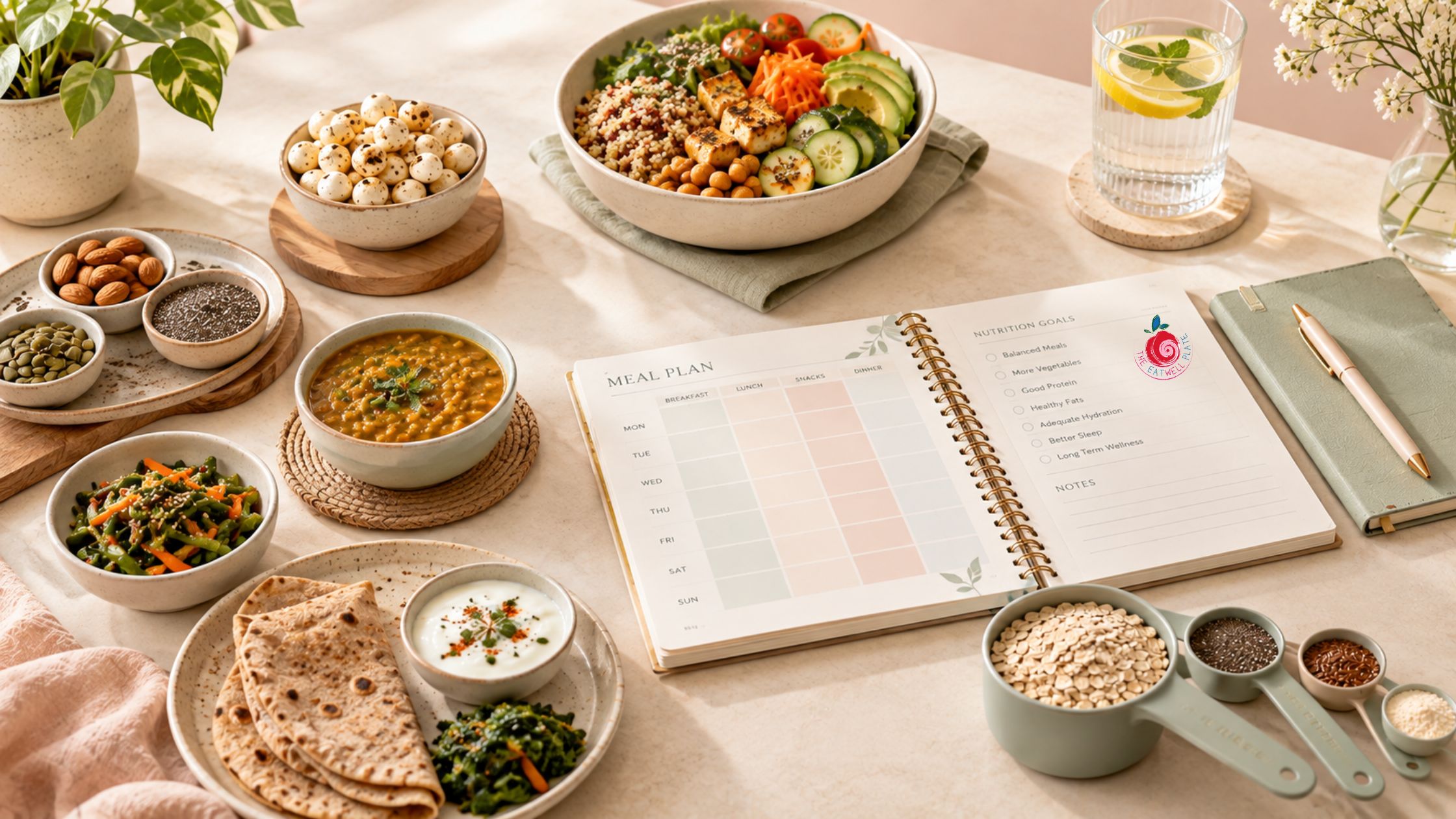
At The EatWell Plate, we focus on exactly this kind of individualized guidance. Rather than handing out generic diet charts, our approach considers your lifestyle, food preferences, daily routine, nutritional requirements, and any existing health considerations, so the plan actually fits into your life rather than the other way around.
Making Makhana Work for You, Not the Other Way Around
Makhana can be a genuinely useful addition to a weight-conscious eating pattern, but it’s not a magic solution, and it was never meant to be. Its real value lies in being a lighter, fibre-containing alternative to more calorie-dense snacks, provided it’s eaten in sensible portions and prepared without excess oil, ghee, or sugar.
If you’re serious about sustainable weight management, the bigger picture matters far more than any single snack. Your overall food choices, portion awareness, activity levels, sleep, and consistency all play a role, and these factors look different for every individual. If you’d like support building an approach that’s realistic for your lifestyle, reaching out for professional guidance is a sensible next step.
Frequently Asked Questions
Q1. Is makhana good for weight loss?
Makhana can support a weight-conscious eating pattern when eaten in moderate, measured portions and prepared without excess oil or sugar. It’s not a fat-burning food, and results depend on your overall diet and lifestyle, not makhana alone.
Q2. Can I eat roasted makhana while trying to lose weight?
Yes, plain or lightly dry-roasted makhana can be a reasonable snack choice while managing your weight, as long as portions are controlled and it’s not paired with excessive ghee, oil, or sugary coatings.
Q3. How much makhana can I eat as a snack?
There’s no universal amount that suits everyone. A small, measured portion a few times a week works for many people, but the right quantity depends on your overall calorie needs, activity level, and health goals.
Q4. Can makhana be included in a Diet Plan For Weight Loss For Female?
Yes, makhana can be included in a personalized diet plan for weight loss for female clients when portioned appropriately. It works best as one component of a broader plan that considers your lifestyle, preferences, and individual nutritional needs.
Ready to Build a Diet Plan That Actually Fits Your Life?
Makhana can be part of the picture, but lasting weight management needs a plan built around you, not a single snack or trend. If you’re ready to explore a personalized, sustainable approach to weight loss, reach out to The EatWell Plate – Best Dietitian in Chandigarh and discuss your goals with a qualified nutrition professional who can guide you every step of the way.